


Comparative Probabilistic Assessment of Occupational Pesticide Exposures Based on Regulatory Assessments
Supporting Files

-
Nov 06 2017
-
File Language:
English
Details
-
Alternative Title:Risk Anal
-
Personal Author:
-
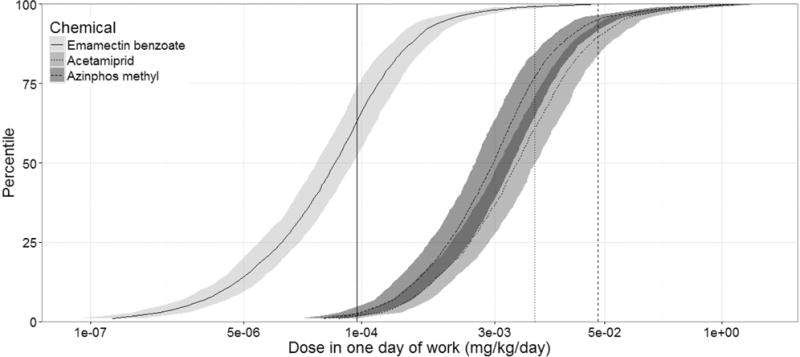
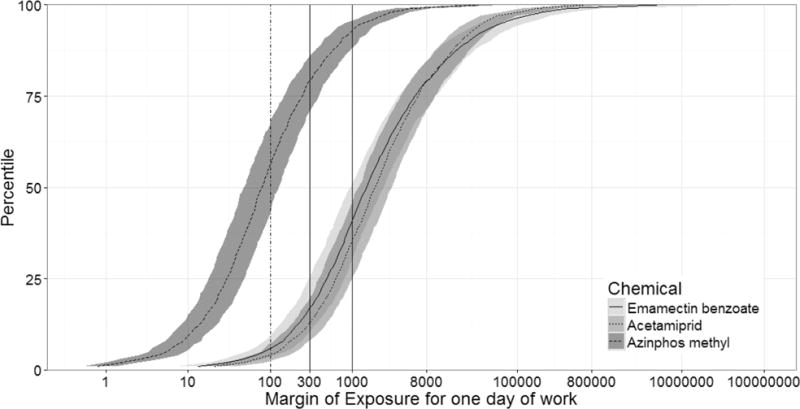
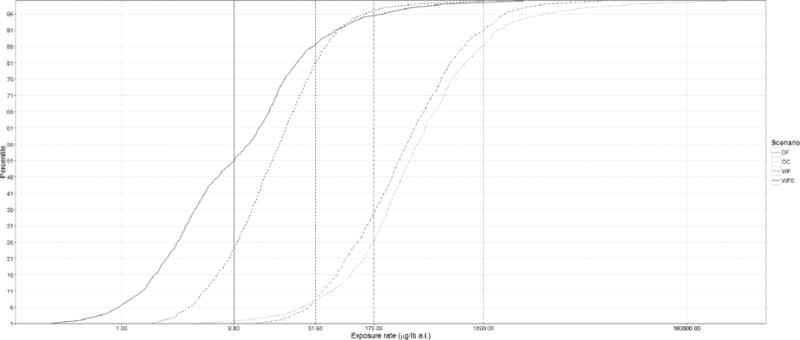
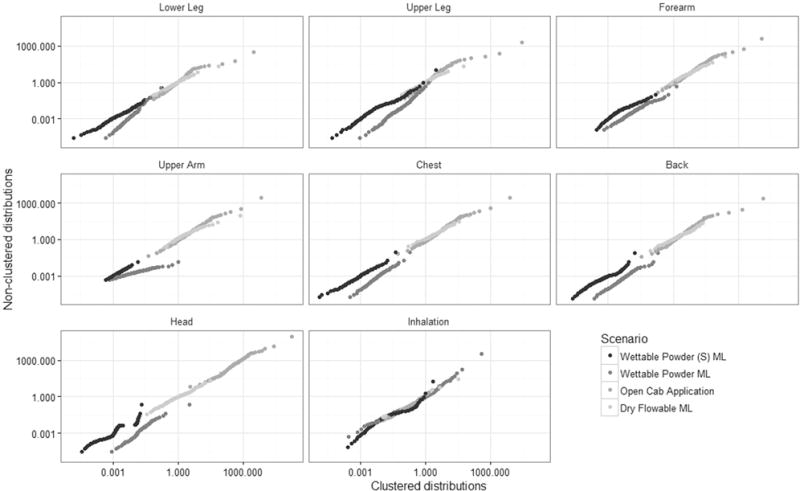
Description:Implementation of probabilistic analyses in exposure assessment can provide valuable insight into the risks of those at the extremes of population distributions, including more vulnerable or sensitive subgroups. Incorporation of these analyses into current regulatory methods for occupational pesticide exposure is enabled by the exposure data sets and associated data currently used in the risk assessment approach of the Environmental Protection Agency (EPA). Monte Carlo simulations were performed on exposure measurements from the Agricultural Handler Exposure Database and the Pesticide Handler Exposure Database along with data from the Exposure Factors Handbook and other sources to calculate exposure rates for three different neurotoxic compounds (azinphos methyl, acetamiprid, emamectin benzoate) across four pesticide-handling scenarios. Probabilistic estimates of doses were compared with the no observable effect levels used in the EPA occupational risk assessments. Some percentage of workers were predicted to exceed the level of concern for all three compounds: 54% for azinphos methyl, 5% for acetamiprid, and 20% for emamectin benzoate. This finding has implications for pesticide risk assessment and offers an alternative procedure that may be more protective of those at the extremes of exposure than the current approach.
-
Subjects:
-
Source:Risk Anal. 38(6):1223-1238.
-
Pubmed ID:29105804
-
Pubmed Central ID:PMC5936674
-
Document Type:
-
Funding:
-
Name as Subject:
-
Place as Subject:
-
Volume:38
-
Issue:6
-
Collection(s):
-
Main Document Checksum:urn:sha256:939f74486f957579e57e8429be675816334dd9076d11a3348841c31a274d97c9
-
Download URL:
-
File Type:
 [PDF
- 649.87 KB
]
[PDF
- 649.87 KB
]
Supporting Files


File Language:
English
ON THIS PAGE


CDC STACKS serves as an archival repository of CDC-published products including
scientific findings,
journal articles, guidelines, recommendations, or other public health information authored or
co-authored by CDC or funded partners.
As a repository, CDC STACKS retains documents in their original published format to ensure public access to scientific information.
As a repository, CDC STACKS retains documents in their original published format to ensure public access to scientific information.
You May Also Like
COLLECTION
CDC Public Access