


Reducing Barriers to Healthy Weight: Planned and Responsive Adaptations to a Lifestyle Intervention to Serve People with Impaired Mobility
Supporting Files

-
October 27 2017
-
File Language:
English
Details
-
Alternative Title:Disabil Health J
-
Personal Author:
-
Description:Background
People with impaired mobility (IM) disabilities have a higher prevalence of obesity and obesity-related chronic conditions; however, lifestyle interventions that address the unique needs of people with IM are lacking.
Objective
This paper describes an adapted evidence-based lifestyle intervention developed through community-based participatory research (CBPR).
Methods
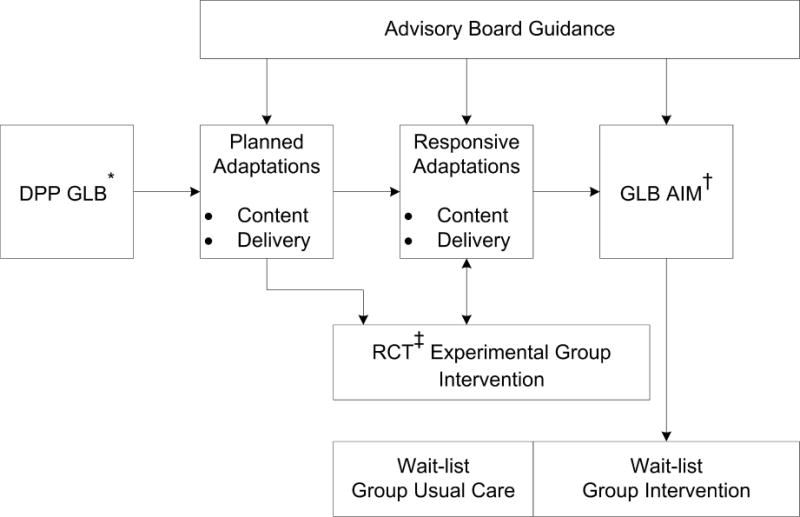
Individuals with IM, health professionals, disability group representatives, and researchers formed an advisory board to guide the process of thoroughly adapting the Diabetes Prevention Program Group Lifestyle Balance (DPP GLB) intervention after a successful pilot in people with IM. The process involved two phases: 1) planned adaptations to DPP GLB content and delivery, and 2) responsive adaptations to address issues that emerged during intervention delivery.
Results
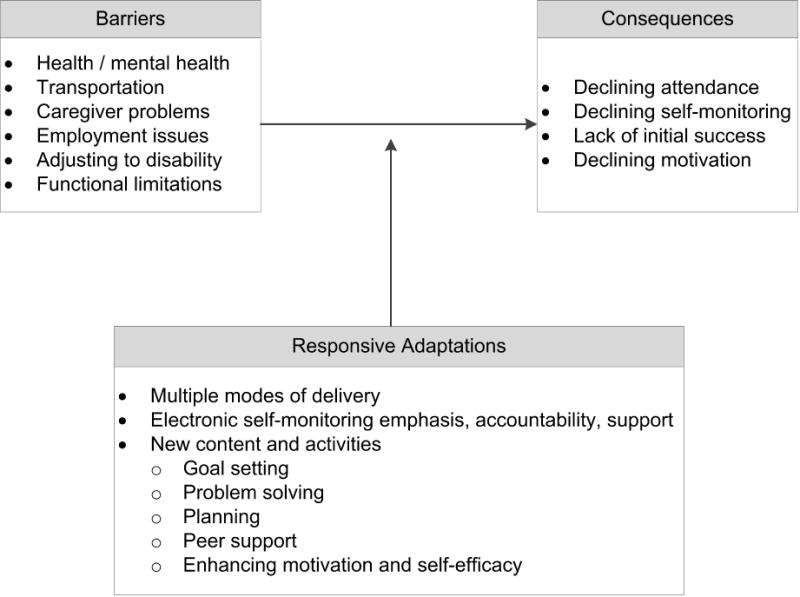
Planned adaptations included combining in-person sessions with conference calls, providing arm-based activity trackers, and adding content on adaptive cooking, adaptive physical activity, injury prevention, unique health considerations, self-advocacy, and caregiver support. During the intervention, participants encountered numerous barriers, including health and mental health issues, transportation, caregivers, employment, adjusting to disability, and functional limitations. We addressed barriers with responsive adaptations, such as supporting electronic self-monitoring, offering make up sessions, and adding content and activities on goal setting, problem solving, planning, peer support, reflection, and motivation.
Conclusions
Given the lack of evidence on lifestyle change in people with disabilities, it is critical to involve the community in intervention planning and respond to real-time barriers as participants engage in change. A randomized controlled trial (RCT) is underway to examine the usability, feasibility, and preliminary effectiveness of the adapted intervention.
-
Subjects:
-
Source:Disabil Health J. 11(2):315-323
-
Pubmed ID:29129715
-
Pubmed Central ID:PMC5869071
-
Document Type:
-
Funding:
-
Volume:11
-
Issue:2
-
Collection(s):
-
Main Document Checksum:urn:sha256:5fb086433c756736eee3eb65dab20b8a9f694466bf0b20d705760d46e908ba77
-
Download URL:
-
File Type:
 [PDF
- 485.38 KB
]
[PDF
- 485.38 KB
]
Supporting Files


File Language:
English
ON THIS PAGE

CDC STACKS serves as an archival repository of CDC-published products including
scientific findings,
journal articles, guidelines, recommendations, or other public health information authored or
co-authored by CDC or funded partners.
As a repository, CDC STACKS retains documents in their original published format to ensure public access to scientific information.
As a repository, CDC STACKS retains documents in their original published format to ensure public access to scientific information.
You May Also Like
COLLECTION
CDC Public Access