


Mass spectrometry-based analysis of murine bronchoalveolar lavage fluid following respiratory exposure to 4,4’-methylene diphenyl diisocyanate aerosol
Supporting Files

-
6 2018
-
File Language:
English
Details
-
Alternative Title:Xenobiotica
-
Personal Author:
-
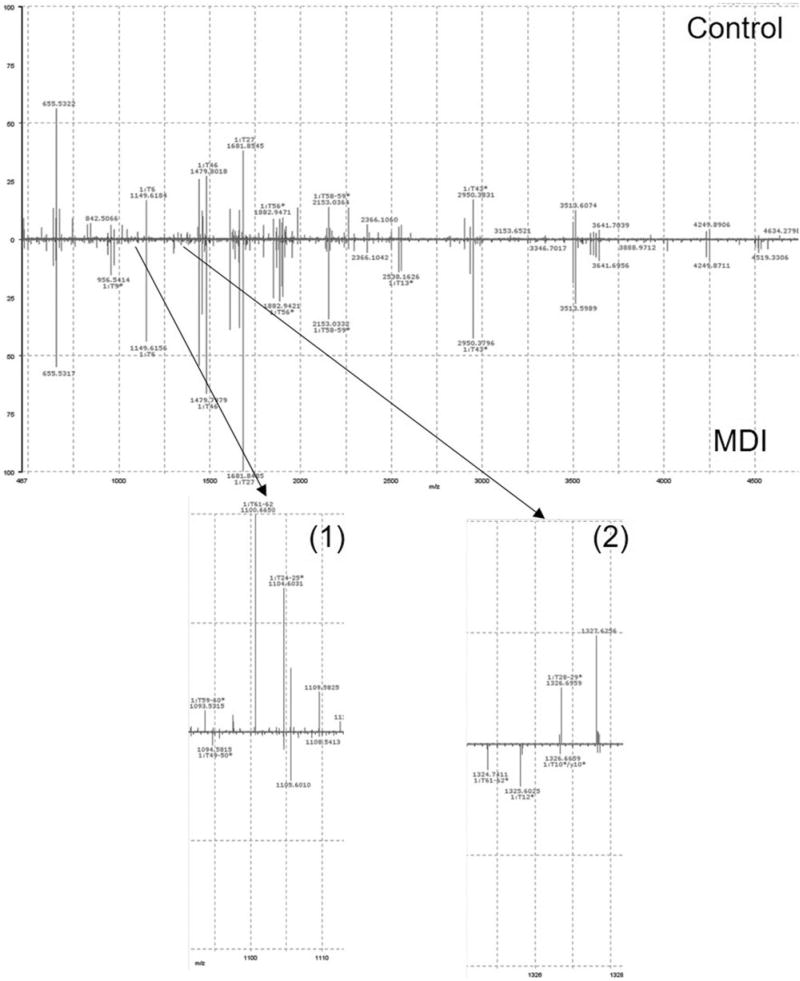
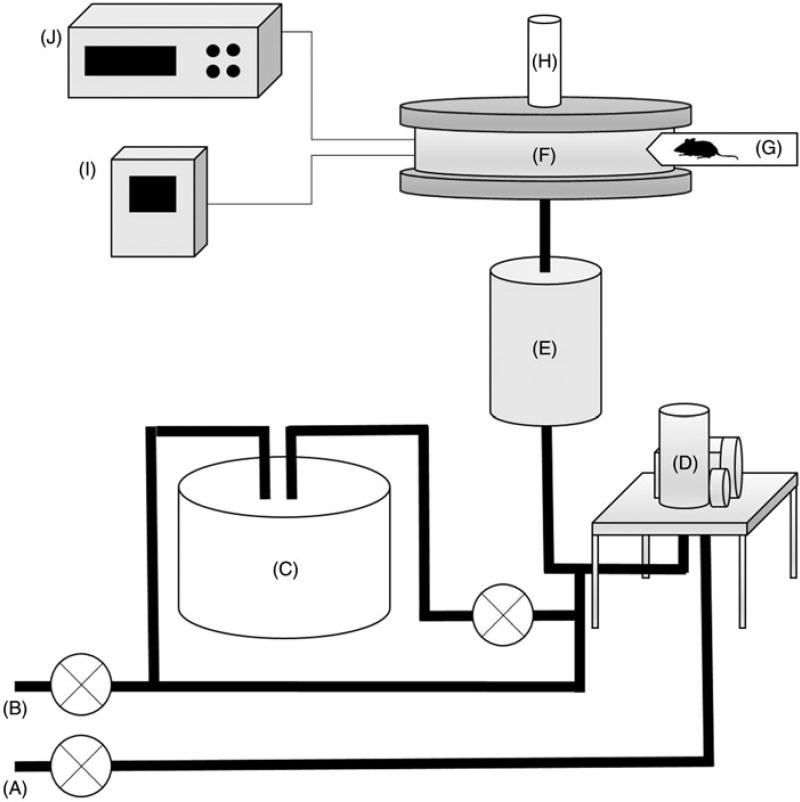
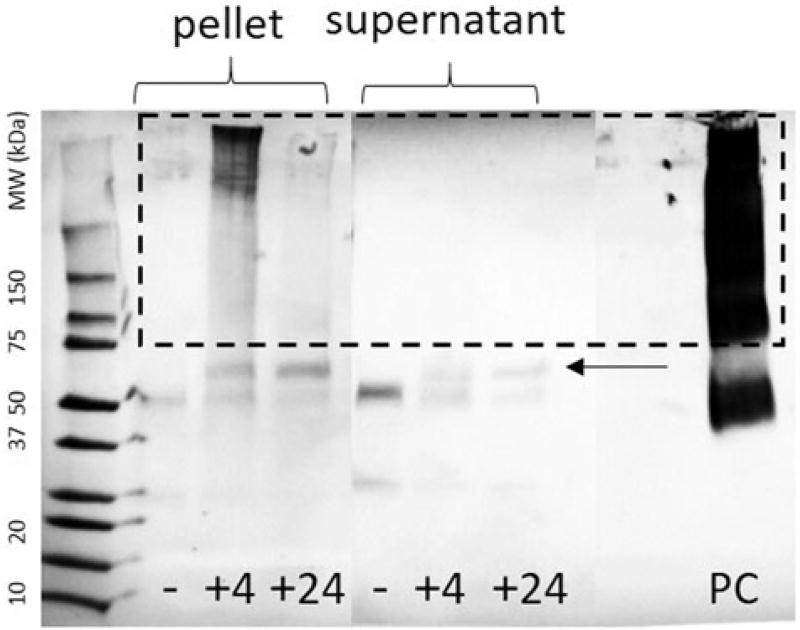
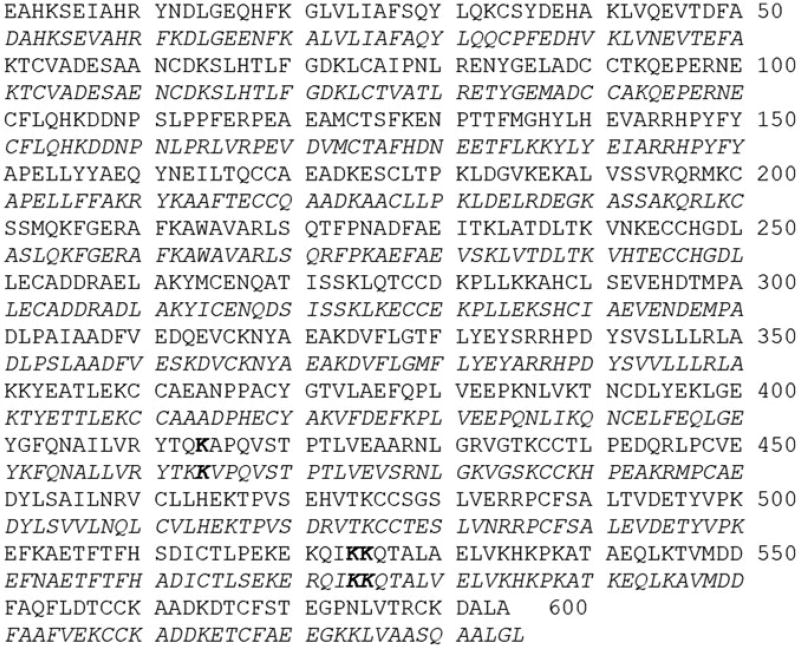
Description:1. Diisocyanates are highly reactive electrophiles utilized in the manufacture of a wide range of polyurethane products and have been identified as causative agents of occupational allergic respiratory disease. However, in spite of the significant occupational health burden associated with diisocyanate-induced asthma, the mechanism of disease pathogenesis remains largely unknown. 2. To better understand the fate of inhaled diisocyanates, a nose-only aerosol exposure system was constructed and utilized to expose a BALB/c mouse model to an aerosol generated from 4,4'-methylene diphenyl diisocyanate (MDI). Tissue and bronchoalveolar lavage samples were evaluated 4 and 24 h post-exposure for evidence of diisocyanate-protein haptenation, and a label-free quantitative proteomics strategy was employed to evaluate relative changes to the protein content of the cellular fraction of the lavage fluid. 3. Following MDI aerosol exposure, expression of the number of proteins with immunological or xenobiotic metabolism relevance is increased, including endoplasmin, cytochrome P450 and argininosuccinate synthase. Western blot analysis indicated MDI-conjugated protein in the lavage fluid, which was identified as serum albumin. 4. Tandem mass spectrometry analysis of MDI-albumin revealed MDI conjugation occurs at a dilysine motif at Lys525, as well as at a glutamine-lysine motif at Lys414, in good agreement with previously published in vitro data on diisocyanate-conjugated serum albumin.
-
Subjects:
-
Source:Xenobiotica. 48(6):626-636
-
Pubmed ID:28629263
-
Pubmed Central ID:PMC5864557
-
Document Type:
-
Funding:
-
Volume:48
-
Issue:6
-
Collection(s):
-
Main Document Checksum:urn:sha256:4f7a1e9bc503beca4882c6b9c63719b59bf732c2475d80fa928bce5455fb27f0
-
Download URL:
-
File Type:
 [PDF
- 3.36 MB
]
[PDF
- 3.36 MB
]
Supporting Files


File Language:
English
ON THIS PAGE


CDC STACKS serves as an archival repository of CDC-published products including
scientific findings,
journal articles, guidelines, recommendations, or other public health information authored or
co-authored by CDC or funded partners.
As a repository, CDC STACKS retains documents in their original published format to ensure public access to scientific information.
As a repository, CDC STACKS retains documents in their original published format to ensure public access to scientific information.
You May Also Like
COLLECTION
CDC Public Access