



Adolescent stalking and risk of violence✩
Supporting Files

-
10 2016 ; 10-2016
-
Available in CDC Stacks on 2018-03-20T00:00:00Z
File Language:
English
Details
-
Alternative Title:J Adolesc
-
Personal Author:
-
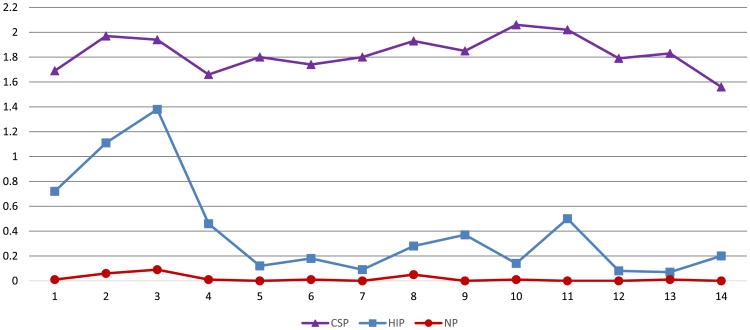
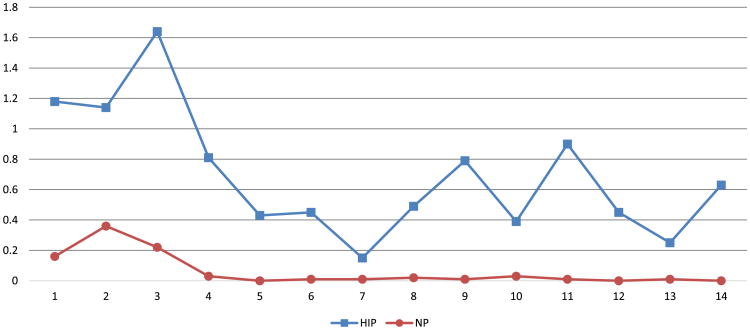
Description:Stalking perpetration and the associated risk for violence among adolescents has generally been neglected. In the present study, 1236 youth completed surveys assessing empirically established stalking indicators, threats and aggression toward stalking victims, dating violence, and violent delinquency. Latent Profile Analysis identified 3 latent classes of boys: non-perpetrators (NP), hyper-intimate pursuit (HIP), and comprehensive stalking perpetrators (CSP) and, and 2 classes for girls: NP and HIP. Boys in the CSP class were the most violent youth on nearly all indices with boys in the HIP class demonstrating an intermediate level of violence compared to NP boys. Girls in the HIP class were more violent than NP girls on all indices. These findings suggest stalking in adolescence merits attention by violence prevention experts. In particular, juvenile stalking may signify youth at risk for multiple forms of violence perpetrated against multiple types of victims, not just the object of their infatuation.
-
Subjects:
-
Keywords:
-
Source:J Adolesc. 52:191-200
-
Pubmed ID:27641644
-
Pubmed Central ID:PMC5860636
-
Document Type:
-
Funding:
-
Volume:52
-
Download URL:
-
File Type:
 [PDF - 499.65 KB]
 -
Collection(s):
-
Main Document Checksum:urn:sha256:afe47722a5a8de621fd7e7b729e675ca873f78faa67b6f610e29017bd71f2127
Supporting Files


File Language:
English
 Was this page helpful?
 Found an issue?

CDC STACKS serves as an archival repository of CDC-published products including
scientific findings, journal articles, guidelines, recommendations, or other public health information authored or
co-authored by CDC or funded partners.
As a repository, CDC STACKS retains documents in their original published format to ensure public access to scientific information.
As a repository, CDC STACKS retains documents in their original published format to ensure public access to scientific information.
You May Also Like
COLLECTION
CDC Public Access