


States, 1995–2015
Supporting Files

-
October 07 2017
-
File Language:
English
Details
-
Alternative Title:Travel Med Infect Dis
-
Personal Author:
-
Description:Background
The failure to consider travel-related diagnoses, the lack of diagnostic capacity for specialized laboratory testing, and the declining number of autopsies may affect the diagnosis and management of travel-related infections. Pre- and post-mortem pathology can help determine causes of illness and death in international travelers.
Methods
We conducted a retrospective review of biopsy and autopsy specimens sent to the Infectious Diseases Pathology Branch laboratory (IDPBL) at the Centers for Disease Control and Prevention (CDC) for diagnostic testing from 1995 through 2015. Cases were included if the specimen submitted for diagnosis was from a traveler with prior international travel during the disease incubation period and the cause of illness or death was unknown at the time of specimen submission.
Results
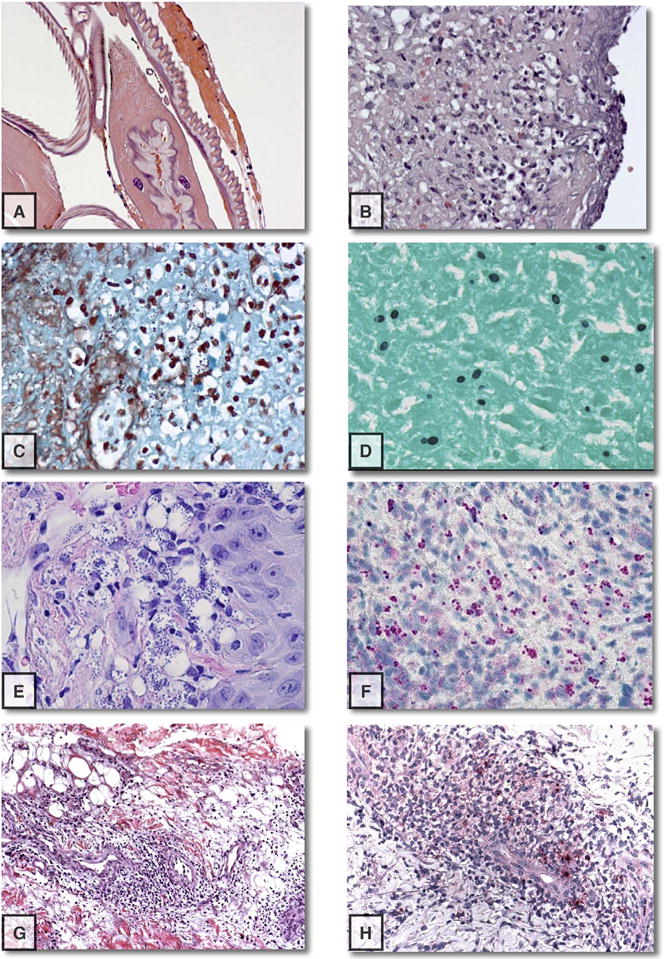
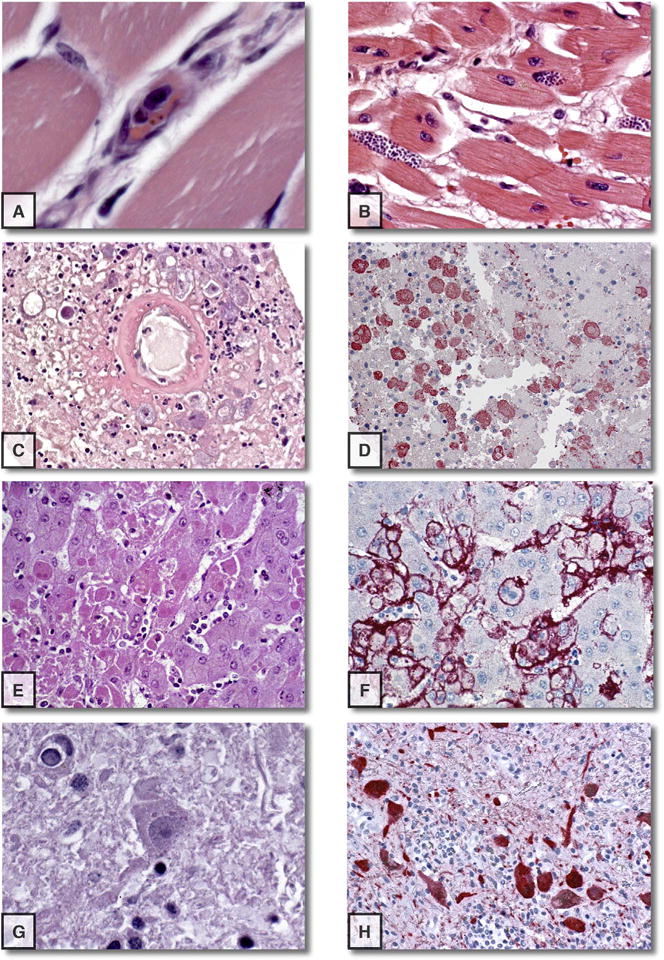
Twenty-one travelers, six (29%) with biopsy specimens and 15 (71%) with autopsy specimens, met the inclusion criteria. Among the 15 travelers who underwent autopsies, the most common diagnoses were protozoal infections (7 travelers; 47%), including five malaria cases, followed by viral infections (6 travelers; 40%).
Conclusions
Biopsy or autopsy specimens can assist in diagnosing infectious diseases in travelers, especially from pathogens not endemic in the U.S. CDC’s IDPBL provides a useful resource for clinicians considering infectious diseases in returned travelers.
-
Subjects:
-
Source:Travel Med Infect Dis. 19:8-15
-
Pubmed ID:28993223
-
Pubmed Central ID:PMC5825179
-
Document Type:
-
Funding:
-
Volume:19
-
Collection(s):
-
Main Document Checksum:urn:sha256:eb7e4f8ae992d1cb2098b875fd42ab3d3f977cc02bc8df2e1fc5471602d69580
-
Download URL:
-
File Type:
 [PDF
- 570.28 KB
]
[PDF
- 570.28 KB
]
Supporting Files


File Language:
English
ON THIS PAGE


CDC STACKS serves as an archival repository of CDC-published products including
scientific findings,
journal articles, guidelines, recommendations, or other public health information authored or
co-authored by CDC or funded partners.
As a repository, CDC STACKS retains documents in their original published format to ensure public access to scientific information.
As a repository, CDC STACKS retains documents in their original published format to ensure public access to scientific information.
You May Also Like
COLLECTION
CDC Public Access