


An elaboration of theory about preventing outbreaks in homogeneous populations to include heterogeneity or preferential mixing
Supporting Files

-
Sep 14 2015
-
Details
-
Alternative Title:J Theor Biol
-
Personal Author:
-
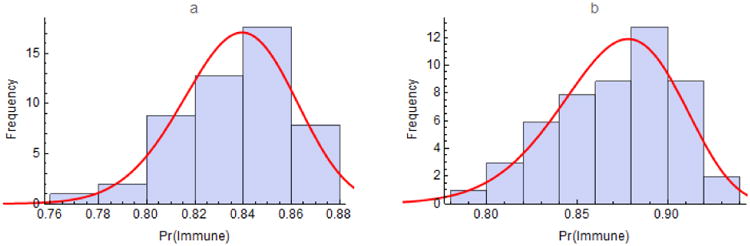
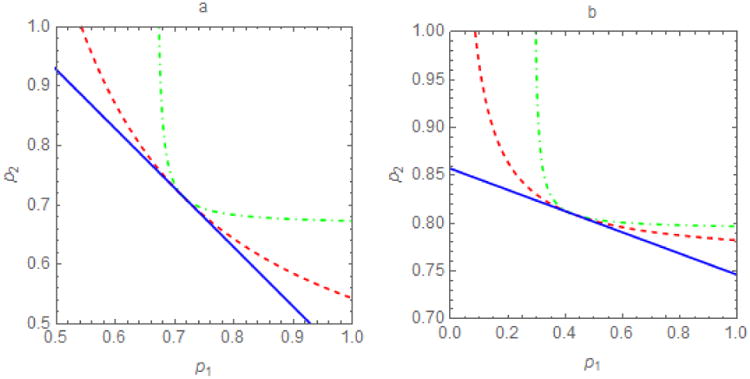
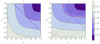
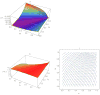
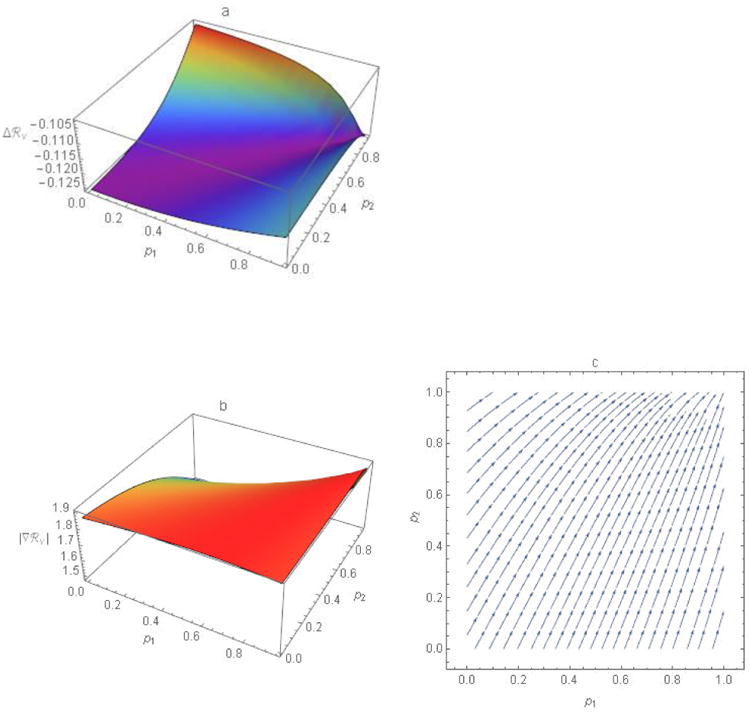
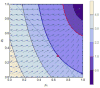
Description:The goal of many vaccination programs is to attain the population immunity above which pathogens introduced by infectious people (e.g., travelers from endemic areas) will not cause outbreaks. Using a simple meta-population model, we demonstrate that, if sub-populations either differ in characteristics affecting their basic reproduction numbers or if their members mix preferentially, weighted average sub-population immunities cannot be compared with the proportionally-mixing homogeneous population-immunity threshold, as public health practitioners are wont to do. Then we review the effect of heterogeneity in average per capita contact rates on the basic meta-population reproduction number. To the extent that population density affects contacts, for example, rates might differ in urban and rural sub-populations. Other differences among sub-populations in characteristics affecting their basic reproduction numbers would contribute similarly. In agreement with more recent results, we show that heterogeneous preferential mixing among sub-populations increases the basic meta-population reproduction number more than homogeneous preferential mixing does. Next we refine earlier results on the effects of heterogeneity in sub-population immunities and preferential mixing on the effective meta-population reproduction number. Finally, we propose the vector of partial derivatives of this reproduction number with respect to the sub-population immunities as a fundamentally new tool for targeting vaccination efforts.
-
Subjects:
-
Source:J Theor Biol. 386:177-187.
-
Pubmed ID:26375548
-
Pubmed Central ID:PMC5723926
-
Document Type:
-
Funding:
-
Volume:386
-
Collection(s):
-
Main Document Checksum:urn:sha256:578f9ebd722c605037ac8889cf7b80d6a12b0853b8b77d9071c8e311803583d5
-
Download URL:
-
File Type:
 [PDF
- 1.17 MB
]
[PDF
- 1.17 MB
]
Supporting Files


ON THIS PAGE











CDC STACKS serves as an archival repository of CDC-published products including
scientific findings,
journal articles, guidelines, recommendations, or other public health information authored or
co-authored by CDC or funded partners.
As a repository, CDC STACKS retains documents in their original published format to ensure public access to scientific information.
As a repository, CDC STACKS retains documents in their original published format to ensure public access to scientific information.
You May Also Like
COLLECTION
CDC Public Access