



Lumbopelvic rhythm during trunk motion in the sagittal plane: A review of the kinematic measurement methods and characterization approaches
Supporting Files

-
2016
-
Available in CDC Stacks on 2017-10-13T00:00:00Z
Details
-
Alternative Title:Phys Ther Rehabil
-
Personal Author:
-
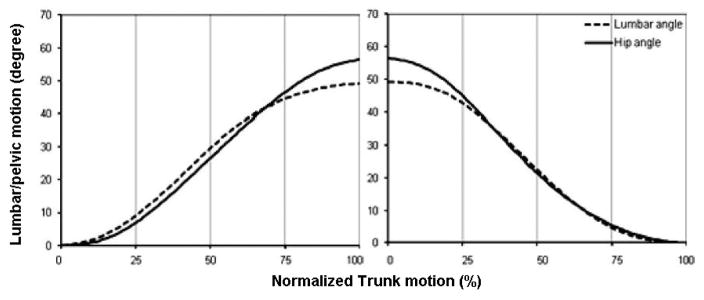
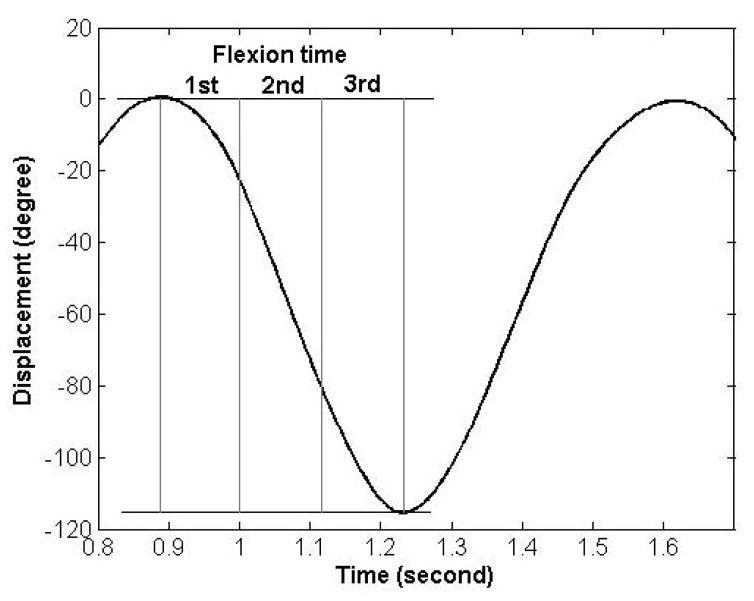
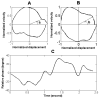
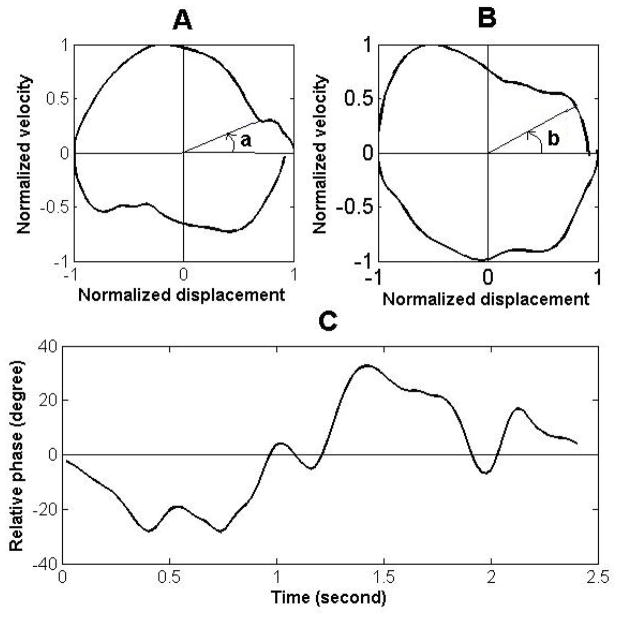
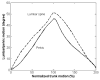
Description:Lumbopelvic rhythm during trunk forward bending and backward return has been widely investigated to have a better understanding of the pattern of trunk motion, as used in research on low back disorders. Considerable differences in the methods used to measure, and approaches used to characterize the lumbopelvic rhythm hinder the integration of findings of those studies for further research in the future. Thus, the purpose of this review was to summarize the methods for kinematic measurement as well as their characterization approaches for the lumbopelvic rhythm. PUBMED and CINAHL databases were searched for relevant studies. Several types of instruments were found to be used in the reviewed studies, mostly using markers or sensors, which were placed on different parts of spine, with different definitions to measure the lumbar and pelvic motion. Also, various characterization approaches were found to be used, of which some related to the magnitude, while the others to the timing aspects of lumbopelvic rhythm. Such a characterization was either qualitative or quantitative. In addition, the specified characterization approaches were applied on a sample of trunk kinematics data from our lab to demonstrate differences in the outcomes of these approaches.
-
Subjects:
-
Source:Phys Ther Rehabil. 3.
-
Pubmed ID:29034099
-
Pubmed Central ID:PMC5639918
-
Document Type:
-
Funding:
-
Volume:3
-
Download URL:
-
File Type:
 [PDF - 1.25 MB]
 -
Collection(s):
-
Main Document Checksum:urn:sha256:7578c96176dd21b9af2d4759c8be0ebd2870b6b9c7e6c2cb22ee3401cd038f60
Supporting Files


 Was this page helpful?
 Found an issue?







CDC STACKS serves as an archival repository of CDC-published products including
scientific findings, journal articles, guidelines, recommendations, or other public health information authored or
co-authored by CDC or funded partners.
As a repository, CDC STACKS retains documents in their original published format to ensure public access to scientific information.
As a repository, CDC STACKS retains documents in their original published format to ensure public access to scientific information.
You May Also Like
COLLECTION
CDC Public Access