



Oxandrolone Coadministration Does Not Alter Plasma Propranolol Concentrations in Severely Burned Pediatric Patients
Supporting Files

-
2017 Jul/Aug
-
File Language:
English
Details
-
Alternative Title:J Burn Care Res
-
Personal Author:
-
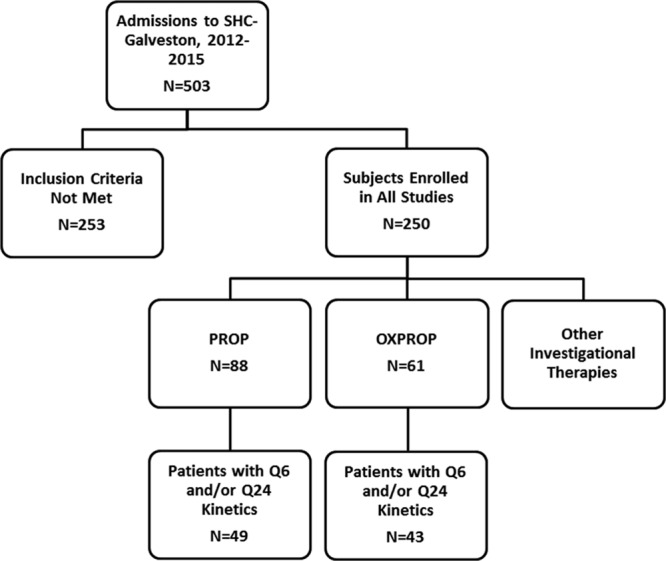
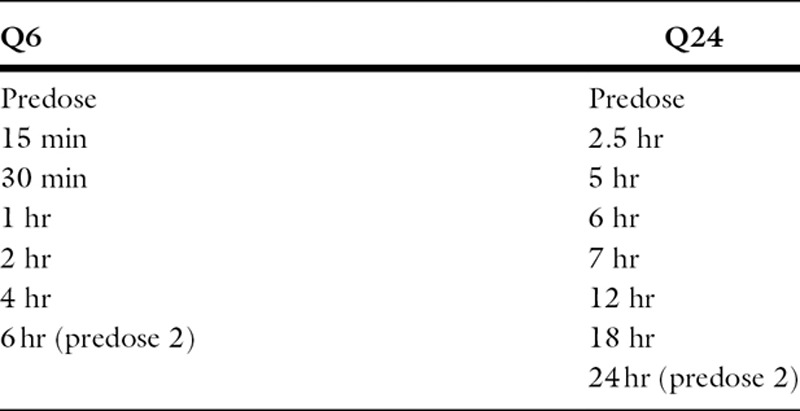
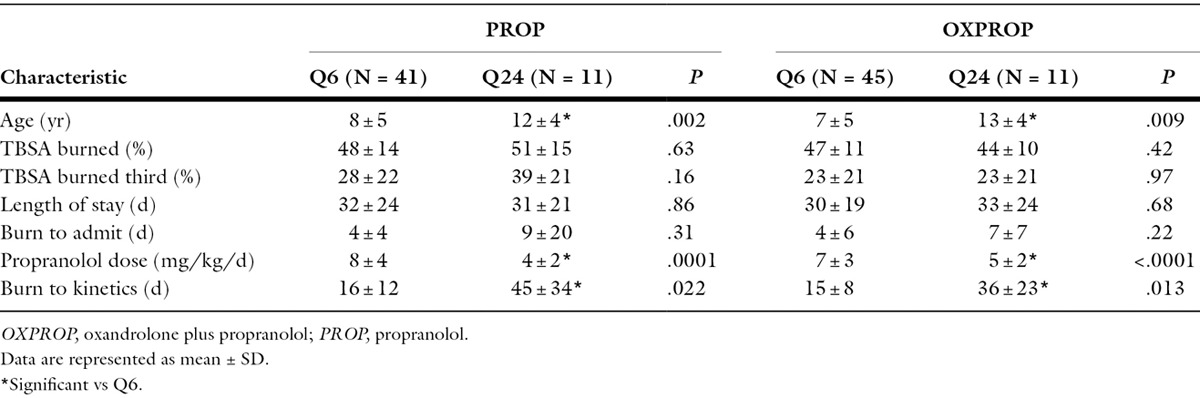
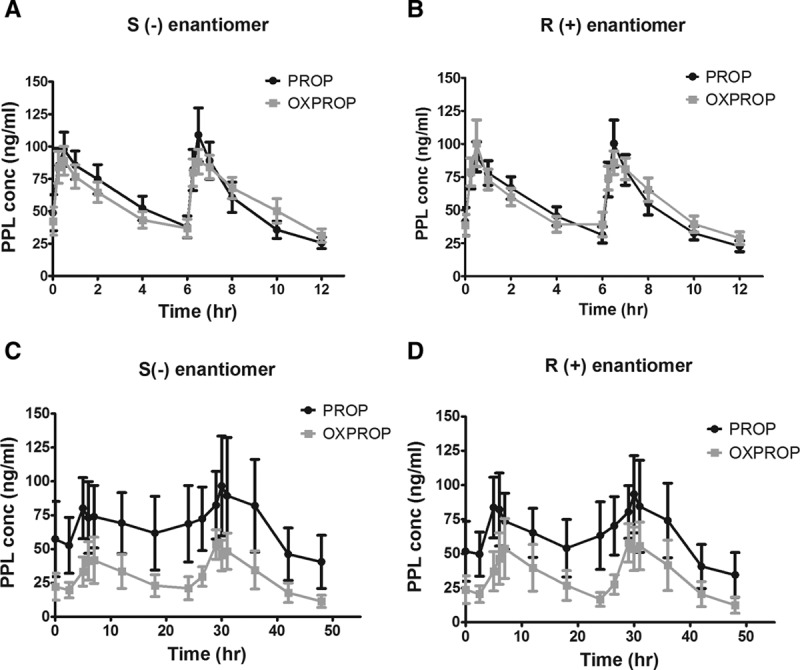
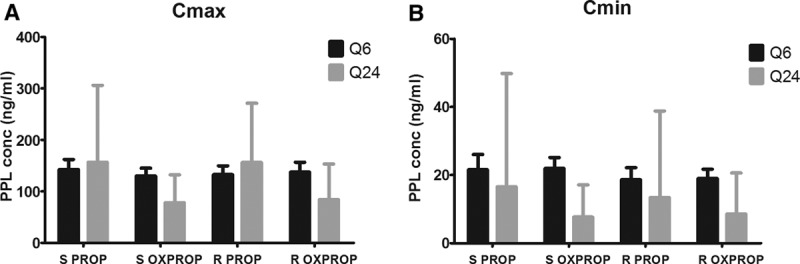
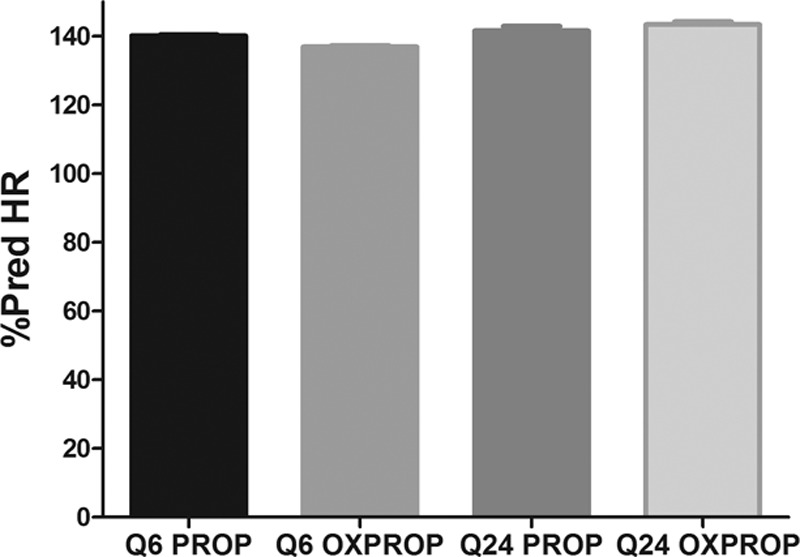
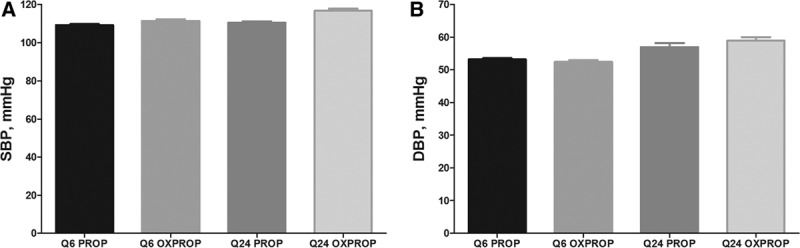
Description:The systemic impact of severe burn injury results in a variety of disorders that require therapeutic intervention. Propranolol, a nonselective β1, β2-adrenergic receptor antagonist, reduces resting heart rate and cardiac work caused by elevated circulating catecholamines. Oxandrolone, a testosterone mimetic, promotes protein synthesis and anabolism to counter muscle wasting. Coadministration of these drugs is expected to synergistically improve patient outcomes. Testosterone administration is known to alter β-adrenergic receptor-mediated signaling. Here, we determined whether the coadministration of oxandrolone alters plasma propranolol concentrations. Ninety-two pediatric patients with burns covering ≥30% of the TBSA were enrolled in this institutional review board-approved study and randomized to receive propranolol (n = 49) or oxandrolone + propranolol (n = 43). Plasma propranolol concentrations were determined following two dosing strategies: Q6 (liquid formulation; n = 86) and Q24 (extended-release capsule; n = 22). Samples were drawn before drug administration and at regular intervals throughout the next two dosing periods. Heart rate and blood pressure were recorded throughout the study. Propranolol half-life was 3.3 hours for the Q6 drug dosing frequency (P < .0001) and 11.2 hours for the Q24 strategy (P < .0001). Percentage of predicted heart rate declined by 2.8% for each doubling of the propranolol concentration in the Q6 dosing schedule (P < .0001). Percentage of predicted heart rate declined by 2.5% for each doubling of propranolol concentration on the Q24 dosing schedule (P < .0001). Maximum and minimum propranolol plasma concentrations were similar with either dosing regimen. The addition of oxandrolone did not affect any of the measured parameters. Oxandrolone coadministration does not alter propranolol's plasma concentration, half-life, or effect on heart rate. This study is registered at clincialtrials.gov: NCT00675714.
-
Subjects:
-
Source:J Burn Care Res. 2017; 38(4):243-250.
-
Pubmed ID:28240622
-
Pubmed Central ID:PMC5507814
-
Document Type:
-
Funding:R01 HD049471/HD/NICHD NIH HHS/United States ; R01 GM112936/GM/NIGMS NIH HHS/United States ; U48 DP000043/DP/NCCDPHP CDC HHS/United States ; R01 GM056687/GM/NIGMS NIH HHS/United States ; P50 GM060338/GM/NIGMS NIH HHS/United States ; T32 GM008256/GM/NIGMS NIH HHS/United States ; UL1 RR029876/RR/NCRR NIH HHS/United States
-
Volume:38
-
Issue:4
-
Collection(s):
-
Main Document Checksum:urn:sha256:9b97633806e341503b59e96de81cb6122a4d7f5d05b3a9f8f1afa80ac5c2124e
-
Download URL:
-
File Type:
 [PDF
- 380.40 KB
]
[PDF
- 380.40 KB
]
Supporting Files


File Language:
English
 Was this page helpful?
 Found an issue?


CDC STACKS serves as an archival repository of CDC-published products including
scientific findings,
journal articles, guidelines, recommendations, or other public health information authored or
co-authored by CDC or funded partners.
As a repository, CDC STACKS retains documents in their original published format to ensure public access to scientific information.
As a repository, CDC STACKS retains documents in their original published format to ensure public access to scientific information.
You May Also Like
COLLECTION
CDC Public Access