



The Effects of Objective 3D Measures of Facial Shape and Symmetry on Perceptions of Facial Attractiveness
Supporting Files

-
May 10 2017
-
File Language:
English
Details
-
Alternative Title:J Oral Maxillofac Surg
-
Personal Author:
-
Description:Purpose
Meeting patient desires for enhanced facial esthetics requires that providers have standardized and objective methods to measure esthetics. We evaluated the effects of objective 3-dimensional (3D) facial shape and asymmetry measurements derived from 3D facial images on perceptions of facial attractiveness.
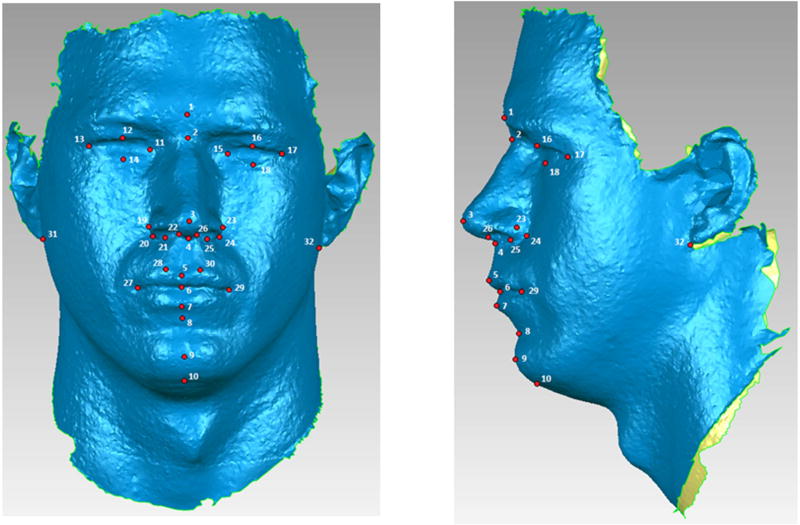
Patient and Methods
3D facial images of 313 adults in Iowa were digitized with 32 landmarks and objective 3D facial measures capturing symmetric and asymmetric components of shape variation, centroid size and fluctuating asymmetry were obtained from the 3D coordinate data using geo-morphometric analyses. Frontal and profile images of study participants were rated for facial attractiveness by ten volunteers (5 females and 5 males) on a 5-point Likert-scale and a visual analogue scale (VAS). Multivariate regression was used to identify the effects of the objective 3D facial measurements on the attractiveness ratings.
Results
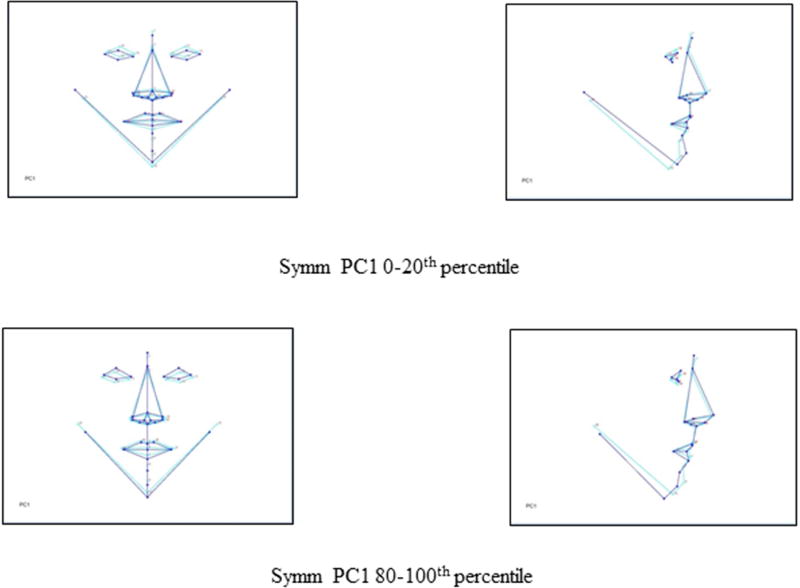
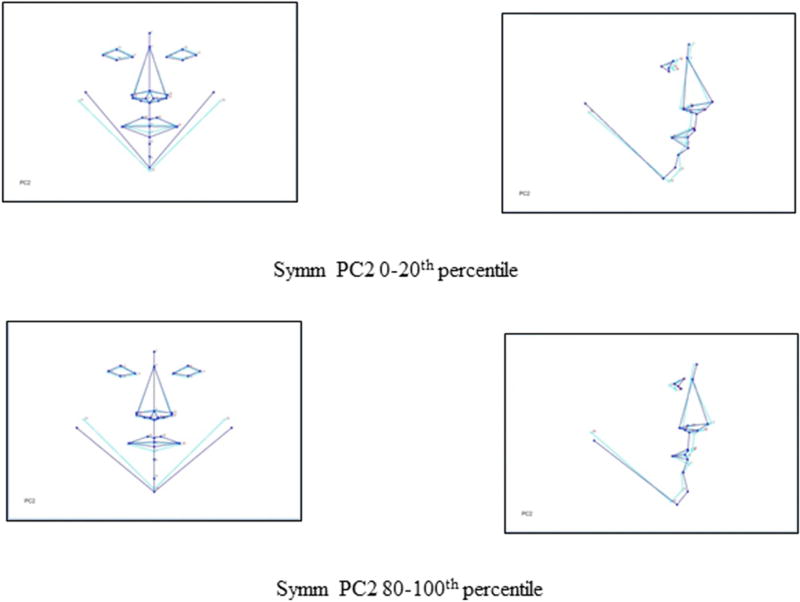
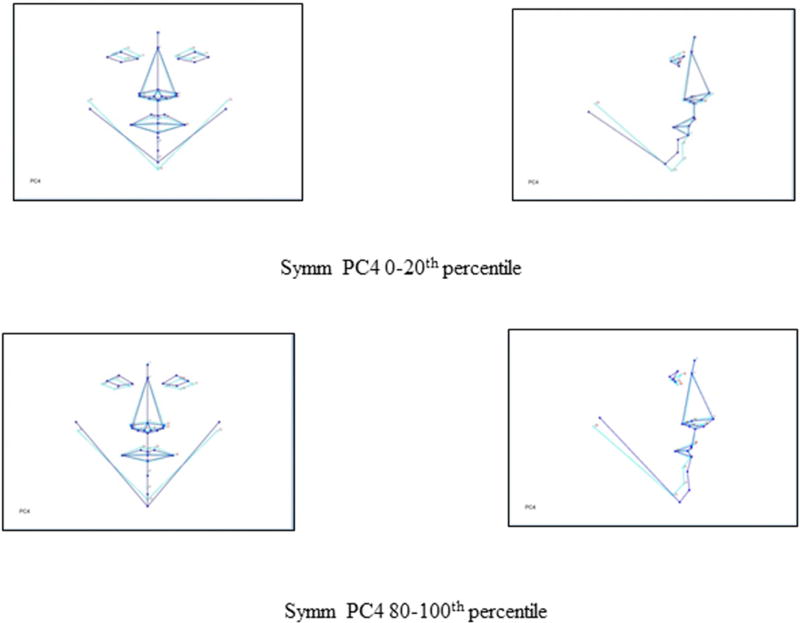
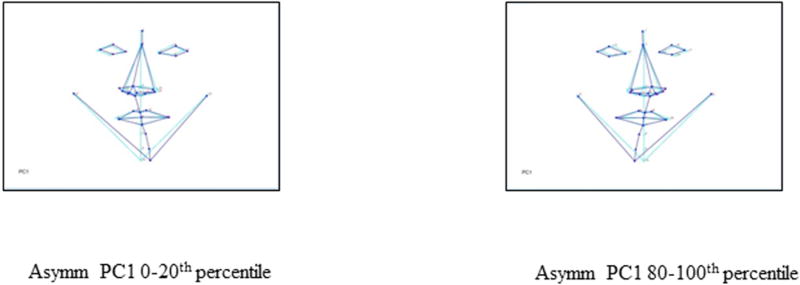
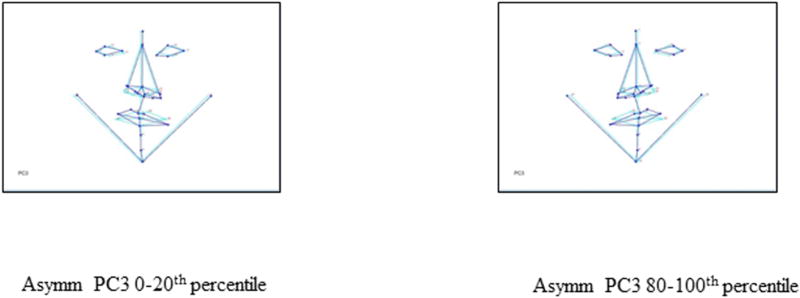
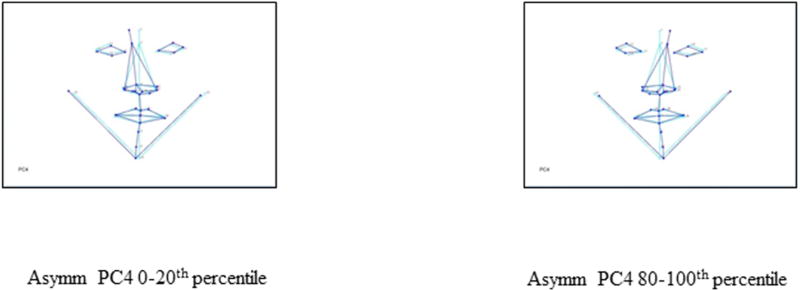
Several of the objective 3D facial measures had significant effects on attractiveness ratings. Shorter facial heights with protrusive chins, mid-face retrusion, faces with protrusive noses and thin lips, flat mandibular planes with deep labio-mental folds, any cants of the lip commissures and floor of the nose, larger faces overall and increased fluctuating asymmetry were rated as significantly (p<0.001) less attractive.
Conclusion
Perceptions of facial attractiveness can be explained by specific 3D measures of facial shapes and fluctuating asymmetry, which has important implications for clinical practice and research.
-
Subjects:
-
Source:J Oral Maxillofac Surg. 75(9):1958-1970.
-
Pubmed ID:28577372
-
Pubmed Central ID:PMC5630144
-
Document Type:
-
Funding:
-
Volume:75
-
Issue:9
-
Collection(s):
-
Main Document Checksum:urn:sha256:846bfd73b76bac9e7e07779240a2dc284cc4b9fac6ed74844cf29df1edc93345
-
Download URL:
-
File Type:
 [PDF
- 1.58 MB
]
[PDF
- 1.58 MB
]
Supporting Files


File Language:
English
 Was this page helpful?
 Found an issue?






CDC STACKS serves as an archival repository of CDC-published products including
scientific findings,
journal articles, guidelines, recommendations, or other public health information authored or
co-authored by CDC or funded partners.
As a repository, CDC STACKS retains documents in their original published format to ensure public access to scientific information.
As a repository, CDC STACKS retains documents in their original published format to ensure public access to scientific information.
You May Also Like
COLLECTION
CDC Public Access