



Sodium Intake among US School-Aged Children: National Health and Nutrition Examination Survey, 2011–2012
Supporting Files

-
1 2017 ; 1-2017
-
Available in CDC Stacks on 2018-01-01T00:00:00Z
File Language:
English
Details
-
Alternative Title:J Acad Nutr Diet
-
Personal Author:
-
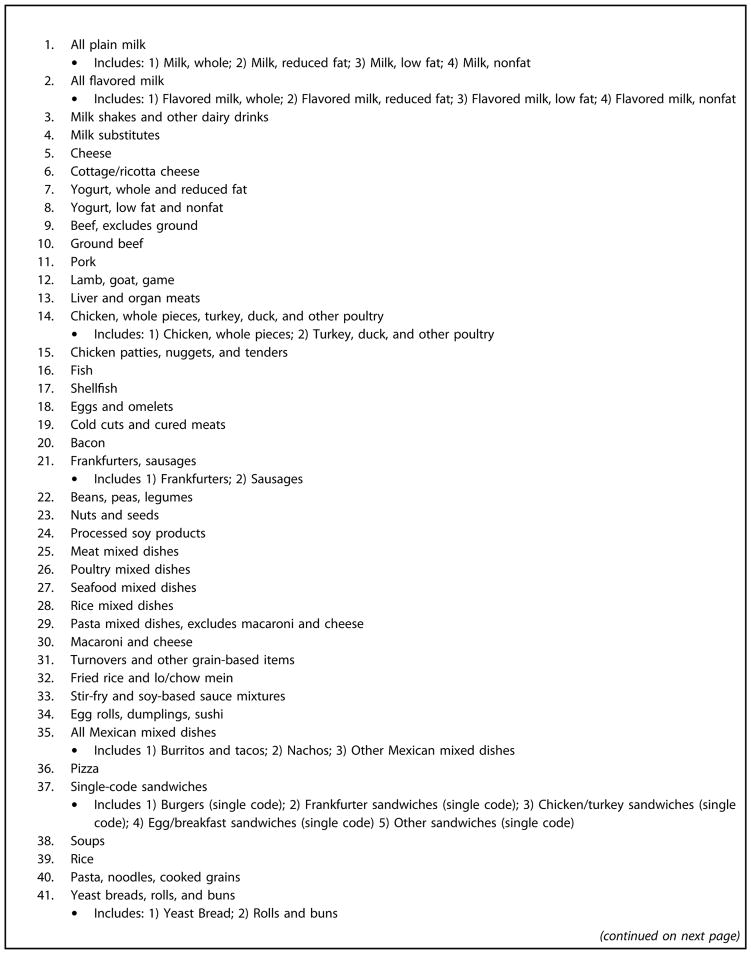
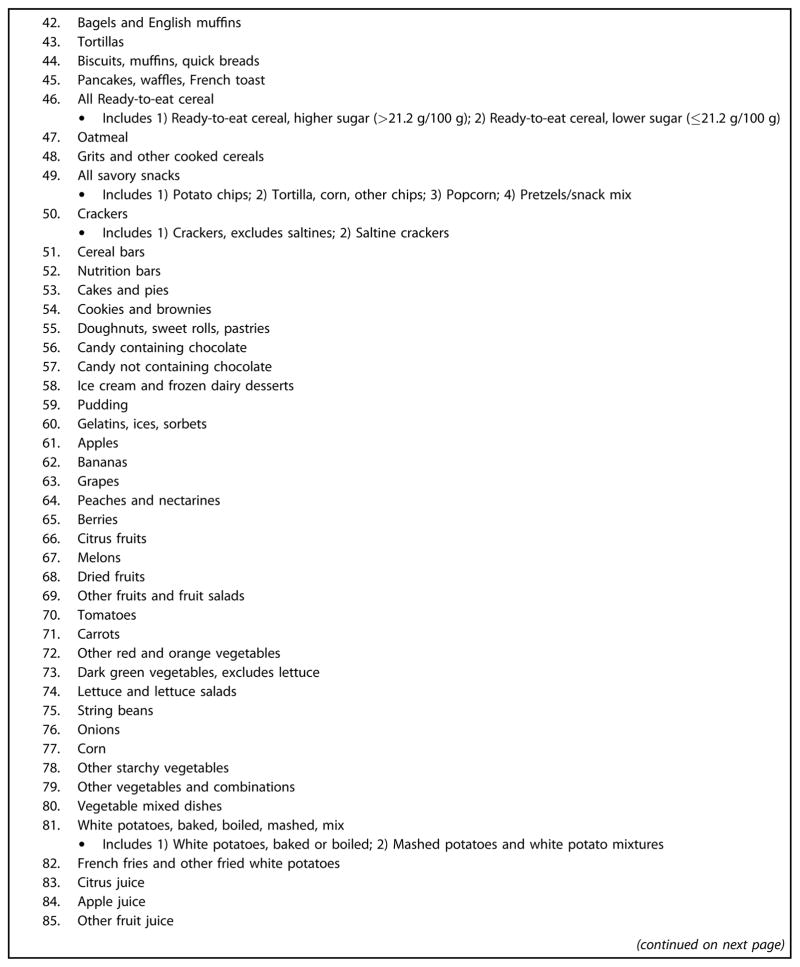
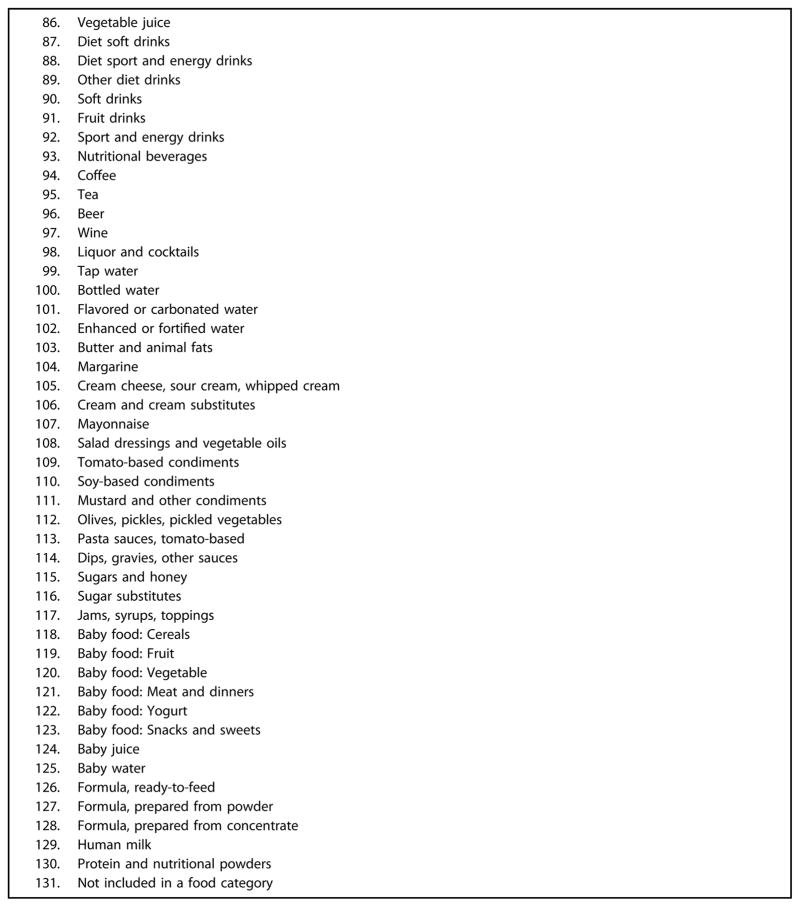
Description:Background ; Identifying current major dietary sources of sodium can enhance strategies to reduce excess sodium intake, which occurs among 90% of US school-aged children. ; Objective ; To describe major food sources, places obtained, and eating occasions contributing to sodium intake among US school-aged children. ; Design ; Cross-sectional analysis of data from the 2011–2012 National Health and Nutrition Examination Survey. ; Participants/setting ; A nationally representative sample of 2,142 US children aged 6 to 18 years who completed a 24-hour dietary recall. ; Main outcome measures ; Population proportions of sodium intake from major food categories, places, and eating occasions. ; Statistical analyses performed ; Statistical analyses accounted for the complex survey design and sampling. Wald F tests and t tests were used to examine differences between subgroups. ; Results ; Average daily sodium intake was highest among adolescents aged 14 to 18 years (3,565±120 mg), lowest among girls (2,919±74 mg). Little variation was seen in average intakes or the top five sodium contributors by sociodemographic characteristics or weight status. Ten food categories contributed to almost half (48%) of US school-aged children’s sodium intake, and included pizza, Mexican-mixed dishes, sandwiches, breads, cold cuts, soups, savory snacks, cheese, plain milk, and poultry. More than 80 food categories contributed to the other half of children’s sodium intake. Foods obtained from stores contributed 58% of sodium intake, fast-food/pizza restaurants contributed 16%, and school cafeterias contributed 10%. Thirty-nine percent of sodium intake was consumed at dinner, 31% at lunch, 16% from snacks, and 14% at breakfast. ; Conclusions ; With the exception of plain milk, which naturally contains sodium, the top 10 food categories contributing to US schoolchildren’s sodium intake during 2011–2012 comprised foods in which sodium is added during processing or preparation. Sodium is consumed throughout the day from multiple foods and locations, highlighting the importance of sodium reduction across the US food supply.
-
Keywords:
-
Source:J Acad Nutr Diet. 117(1):39-47.e5
-
Pubmed ID:27818138
-
Pubmed Central ID:PMC5458522
-
Document Type:
-
Funding:
-
Volume:117
-
Issue:1
-
Download URL:
-
File Type:
 [PDF - 1.16 MB]
 -
Collection(s):
-
Main Document Checksum:urn:sha256:afc1427ced0f49714b8c18dfa6dfdfc96a5719a8ef84b8e8ea77f4daa2978819
Supporting Files


File Language:
English
 Was this page helpful?
 Found an issue?

CDC STACKS serves as an archival repository of CDC-published products including
scientific findings, journal articles, guidelines, recommendations, or other public health information authored or
co-authored by CDC or funded partners.
As a repository, CDC STACKS retains documents in their original published format to ensure public access to scientific information.
As a repository, CDC STACKS retains documents in their original published format to ensure public access to scientific information.
You May Also Like
COLLECTION
CDC Public Access