


Bridging the Gap between Sample Collection and Laboratory Analysis: Using Dried Blood Spots to Identify Human Exposure to Chemical Agents
Supporting Files

-
May 13 2016
-
Details
-
Alternative Title:Proc SPIE Int Soc Opt Eng
-
Personal Author:
-
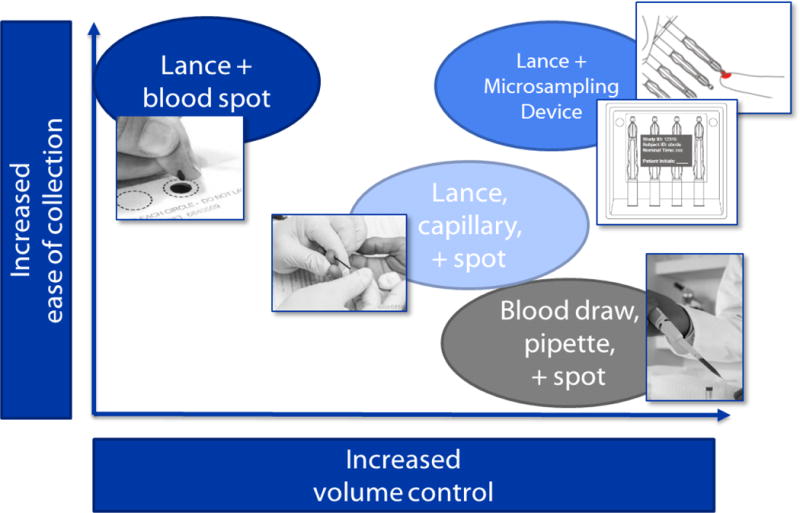
Description:Public health response to large scale chemical emergencies presents logistical challenges for sample collection, transport, and analysis. Diagnostic methods used to identify and determine exposure to chemical warfare agents, toxins, and poisons traditionally involve blood collection by phlebotomists, cold transport of biomedical samples, and costly sample preparation techniques. Use of dried blood spots, which consist of dried blood on an FDA-approved substrate, can increase analyte stability, decrease infection hazard for those handling samples, greatly reduce the cost of shipping/storing samples by removing the need for refrigeration and cold chain transportation, and be self-prepared by potentially exposed individuals using a simple finger prick and blood spot compatible paper. Our laboratory has developed clinical assays to detect human exposures to nerve agents through the analysis of specific protein adducts and metabolites, for which a simple extraction from a dried blood spot is sufficient for removing matrix interferents and attaining sensitivities on par with traditional sampling methods. The use of dried blood spots can bridge the gap between the laboratory and the field allowing for large scale sample collection with minimal impact on hospital resources while maintaining sensitivity, specificity, traceability, and quality requirements for both clinical and forensic applications.
-
Subjects:
-
Source:Proc SPIE Int Soc Opt Eng. 98630:98630P-98630P-9.
-
Pubmed ID:27942095
-
Pubmed Central ID:PMC5139685
-
Document Type:
-
Funding:
-
Volume:98630
-
Collection(s):
-
Main Document Checksum:urn:sha256:16c8f4fc33dccafb38a4292d36ab8c87a90ebed569e2a410ec2d85e84bb19cf4
-
Download URL:
-
File Type:
 [PDF
- 378.53 KB
]
[PDF
- 378.53 KB
]
Supporting Files


ON THIS PAGE



CDC STACKS serves as an archival repository of CDC-published products including
scientific findings,
journal articles, guidelines, recommendations, or other public health information authored or
co-authored by CDC or funded partners.
As a repository, CDC STACKS retains documents in their original published format to ensure public access to scientific information.
As a repository, CDC STACKS retains documents in their original published format to ensure public access to scientific information.
You May Also Like
COLLECTION
CDC Public Access