


Identification of chemicals that mimic transcriptional changes associated with autism, brain aging and neurodegeneration
Supporting Files

-
Mar 31 2016
-
File Language:
English
Details
-
Alternative Title:Nat Commun
-
Personal Author:
-
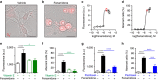
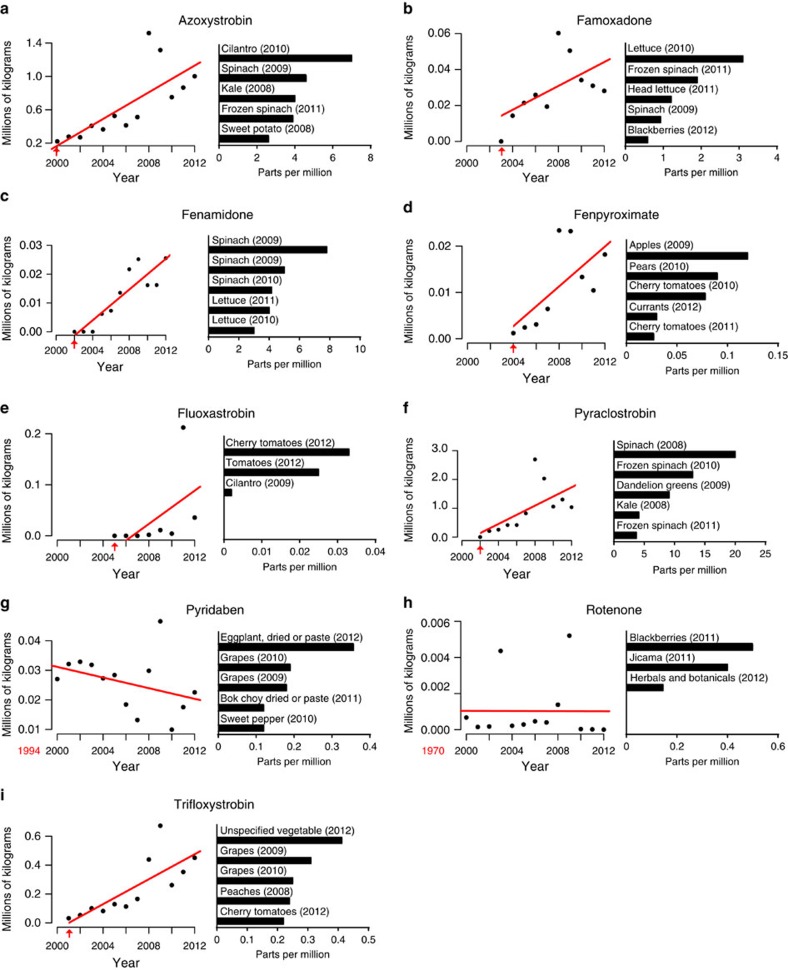
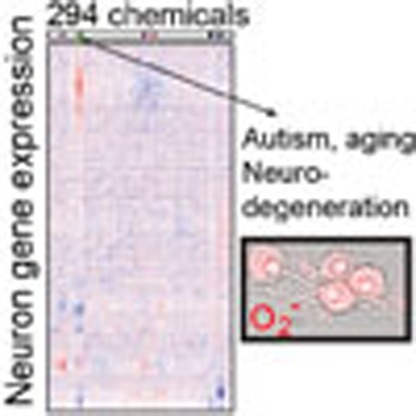
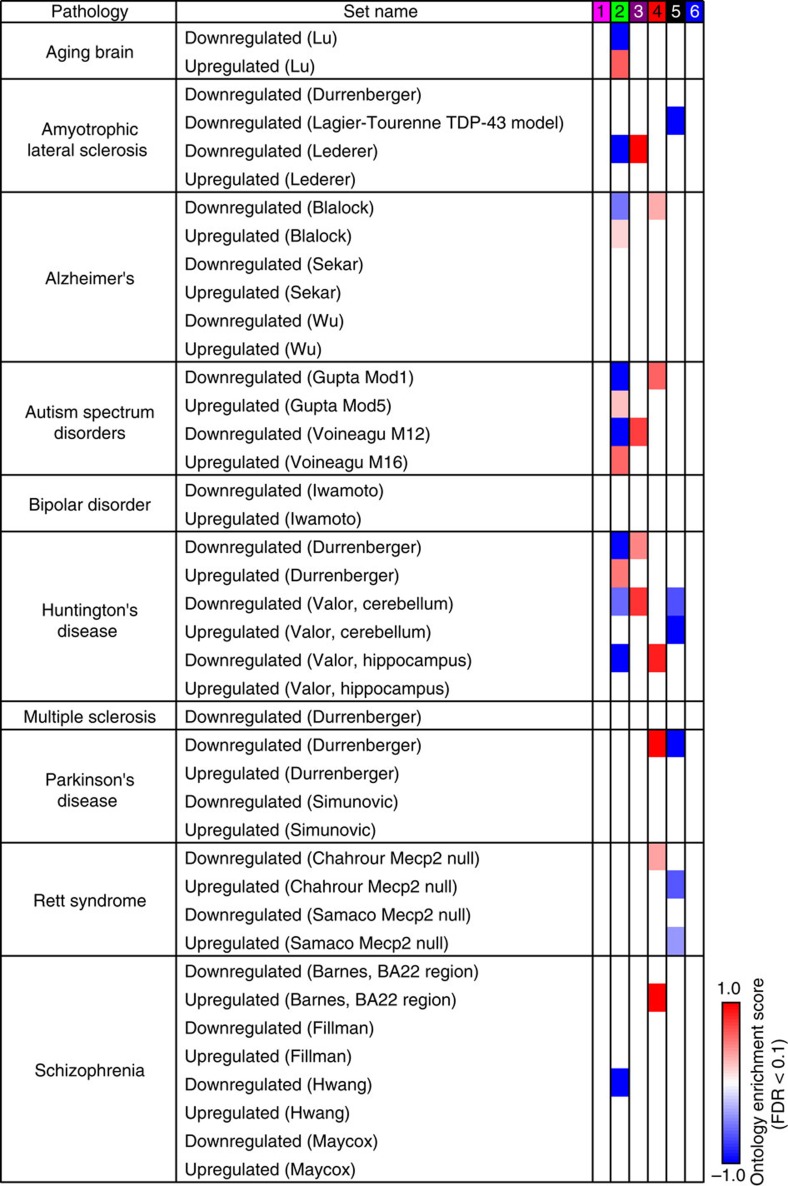
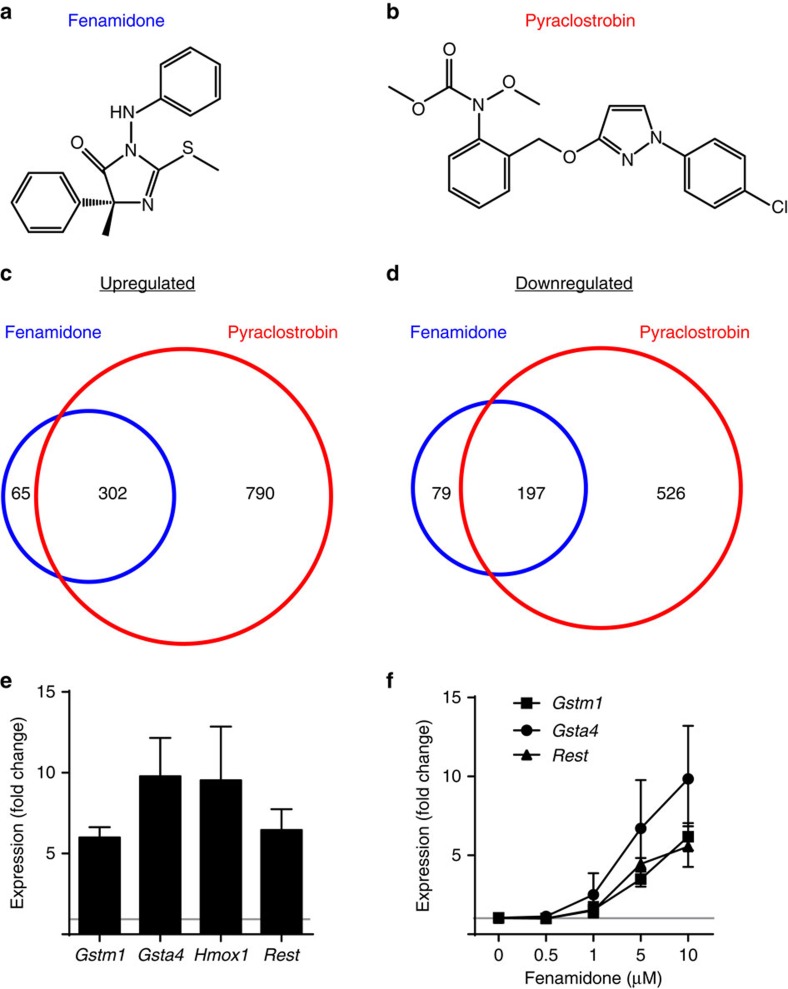
Description:Environmental factors, including pesticides, have been linked to autism and neurodegeneration risk using retrospective epidemiological studies. Here we sought to prospectively identify chemicals that share transcriptomic signatures with neurological disorders, by exposing mouse cortical neuron-enriched cultures to hundreds of chemicals commonly found in the environment and on food. We find that rotenone, a pesticide associated with Parkinson's disease risk, and certain fungicides, including pyraclostrobin, trifloxystrobin, famoxadone and fenamidone, produce transcriptional changes in vitro that are similar to those seen in brain samples from humans with autism, advanced age and neurodegeneration (Alzheimer's disease and Huntington's disease). These chemicals stimulate free radical production and disrupt microtubules in neurons, effects that can be reduced by pretreating with a microtubule stabilizer, an antioxidant, or with sulforaphane. Our study provides an approach to prospectively identify environmental chemicals that transcriptionally mimic autism and other brain disorders.
-
Subjects:
-
Source:Nat Commun. 2016; 7.
-
Pubmed ID:27029645
-
Pubmed Central ID:PMC4821887
-
Document Type:
-
Funding:5T32HD040127/HD/NICHD NIH HHS/United States ; DP1 ES024088/ES/NIEHS NIH HHS/United States ; DP1ES024088/DP/NCCDPHP CDC HHS/United States ; P30 HD003110/HD/NICHD NIH HHS/United States ; P30 NS045892/NS/NINDS NIH HHS/United States ; P30HD03110/HD/NICHD NIH HHS/United States ; P30NS045892/NS/NINDS NIH HHS/United States ; U54 HD079124/HD/NICHD NIH HHS/United States
-
Volume:7
-
Collection(s):
-
Main Document Checksum:urn:sha256:9fd6b725e1dab973e83582fe5d488390a72ec1cae2b86d966e75837fd52c6bee
-
Download URL:
-
File Type:
 [PDF
- 1.26 MB
]
[PDF
- 1.26 MB
]
Supporting Files


File Language:
English
ON THIS PAGE








CDC STACKS serves as an archival repository of CDC-published products including
scientific findings,
journal articles, guidelines, recommendations, or other public health information authored or
co-authored by CDC or funded partners.
As a repository, CDC STACKS retains documents in their original published format to ensure public access to scientific information.
As a repository, CDC STACKS retains documents in their original published format to ensure public access to scientific information.
You May Also Like
COLLECTION
CDC Public Access