


Sleep disruption and the sequelae associated with traumatic brain injury
Supporting Files

-
8 2015
-
File Language:
English
Details
-
Alternative Title:Neurosci Biobehav Rev
-
Personal Author:
-
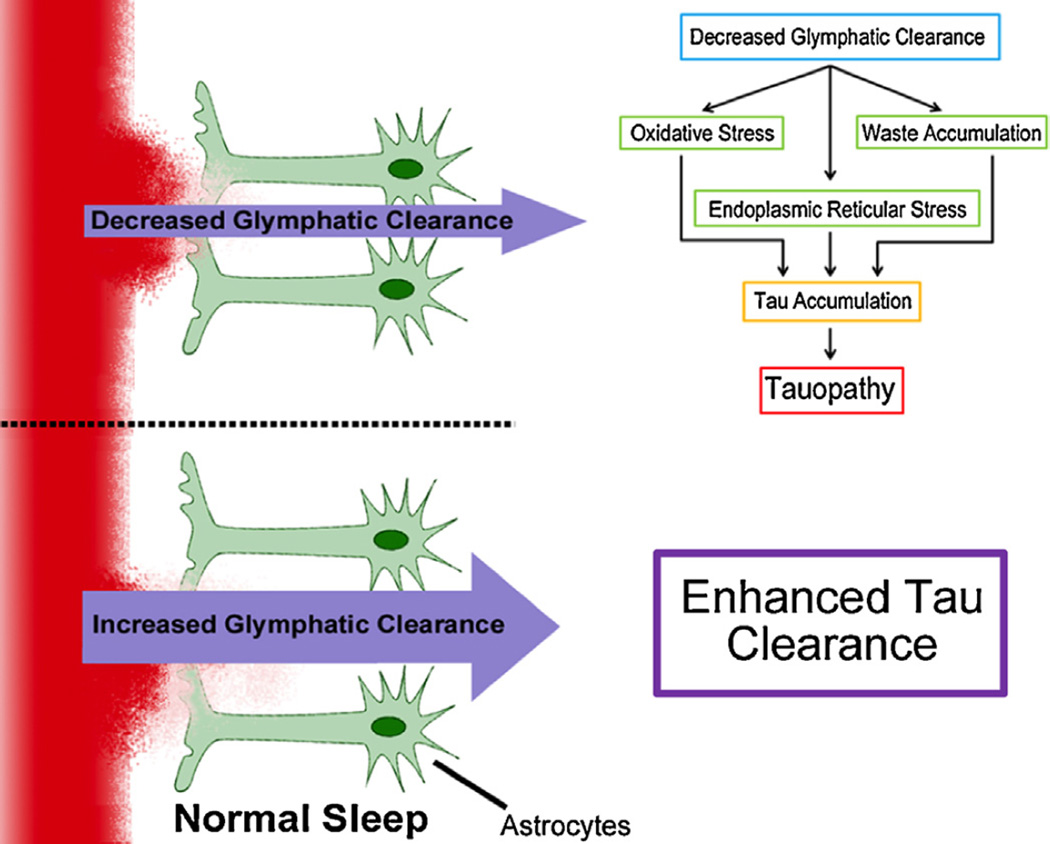
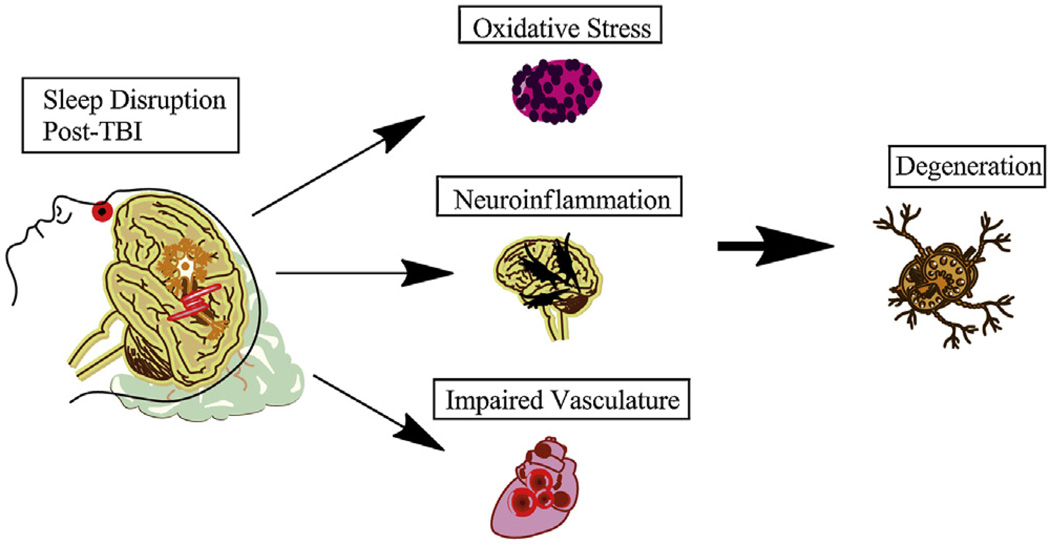
Description:Sleep disruption, which includes a loss of sleep as well as poor quality fragmented sleep, frequently follows traumatic brain injury (TBI) impacting a large number of patients each year in the United States. Fragmented and/or disrupted sleep can worsen neuropsychiatric, behavioral, and physical symptoms of TBI. Additionally, sleep disruption impairs recovery and can lead to cognitive decline. The most common sleep disruption following TBI is insomnia, which is difficulty staying asleep. The consequences of disrupted sleep following injury range from deranged metabolomics and blood brain barrier compromise to altered neuroplasticity and degeneration. There are several theories for why sleep is necessary (e.g., glymphatic clearance and metabolic regulation) and these may help explain how sleep disruption contributes to degeneration within the brain. Experimental data indicate disrupted sleep allows hyperphosphorylated tau and amyloid β plaques to accumulate. As sleep disruption may act as a cellular stressor, target areas warranting further scientific investigation include the increase in endoplasmic reticulum and oxidative stress following acute periods of sleep deprivation. Potential treatment options for restoring the normal sleep cycle include melatonin derivatives and cognitive behavioral therapy.
-
Keywords:
-
Source:Neurosci Biobehav Rev. 55:68-77
-
Pubmed ID:25956251
-
Pubmed Central ID:PMC4721255
-
Document Type:
-
Funding:
-
Volume:55
-
Collection(s):
-
Main Document Checksum:urn:sha256:ca9363473557dbf468aea8d35077070113d1f4d0a5294eae240506b2aea40515
-
Download URL:
-
File Type:
 [PDF
- 1.35 MB
]
[PDF
- 1.35 MB
]
Supporting Files


File Language:
English
ON THIS PAGE



CDC STACKS serves as an archival repository of CDC-published products including
scientific findings,
journal articles, guidelines, recommendations, or other public health information authored or
co-authored by CDC or funded partners.
As a repository, CDC STACKS retains documents in their original published format to ensure public access to scientific information.
As a repository, CDC STACKS retains documents in their original published format to ensure public access to scientific information.
You May Also Like
COLLECTION
CDC Public Access