



Modifying welding process parameters can reduce the neurotoxic potential of manganese-containing welding fumes
Supporting Files

-
Dec 27 2014
-
Available in CDC Stacks on 2015-12-30T00:00:00Z
Details
-
Alternative Title:Toxicology
-
Personal Author:Sriram, Krishnan ; Lin, Gary X. ; Jefferson, Amy M. ; Stone, Samuel ; Afshari, Aliakbar ; Keane, Michael J. ; McKinney, Walter ; Jackson, Mark ; Chen, Bean T. ; Schwegler-Berry, Diane ; Cumpston, Amy ; Cumpston, Jared L. ; Roberts, Jenny R. ; Frazer, David G. ; Antonini, James M.
-
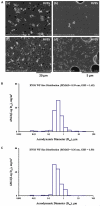
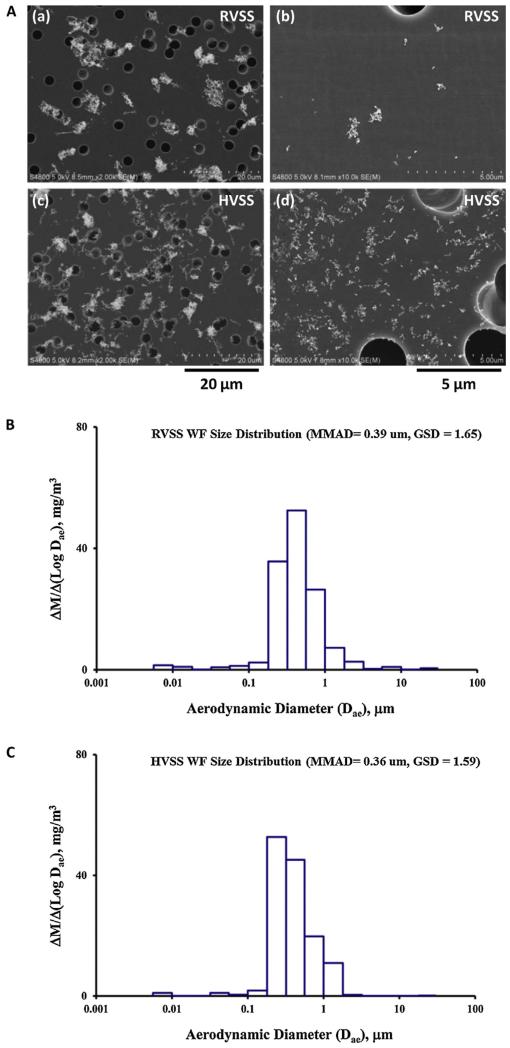
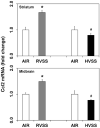
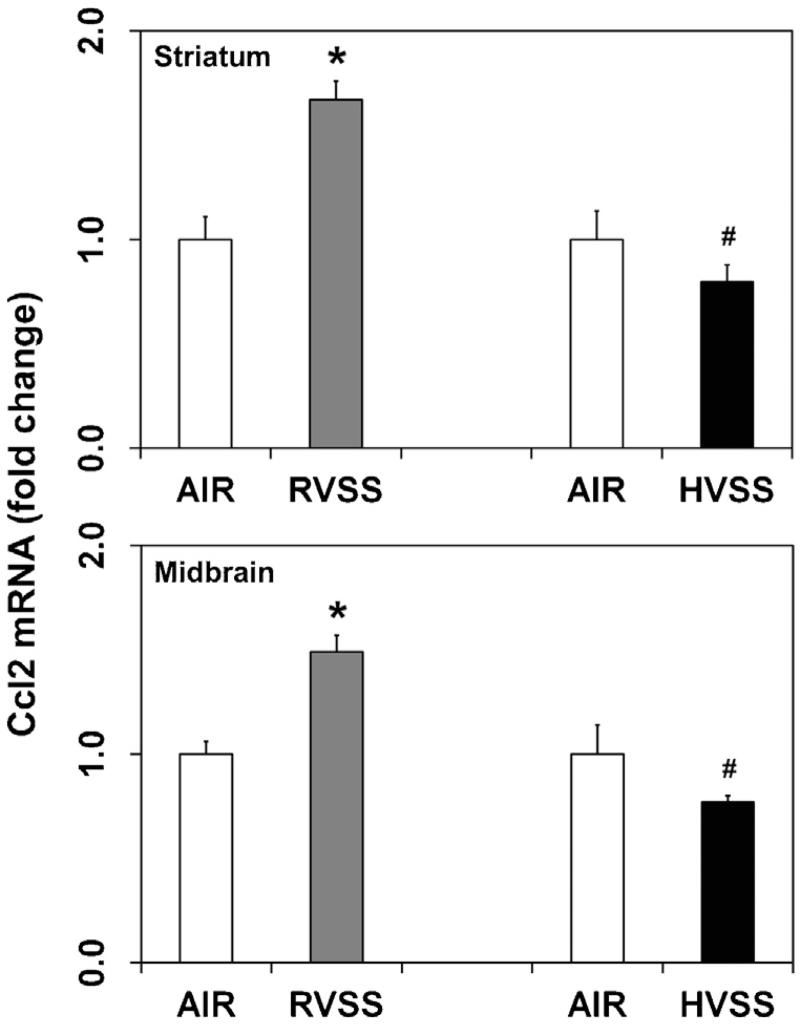
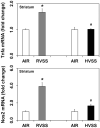
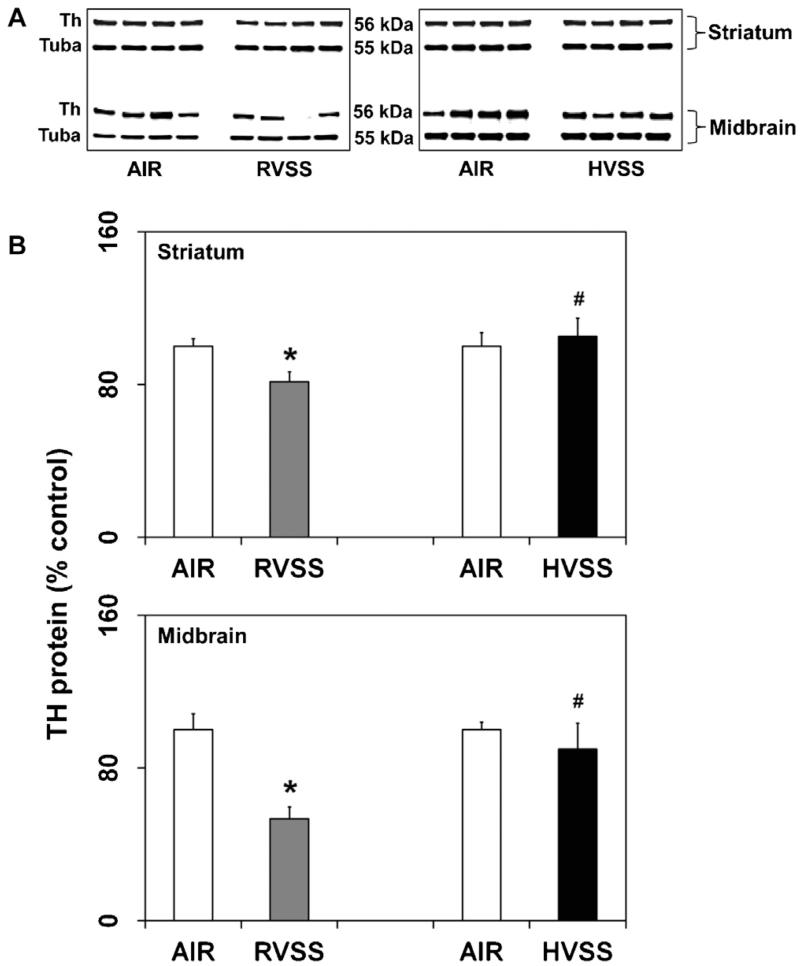
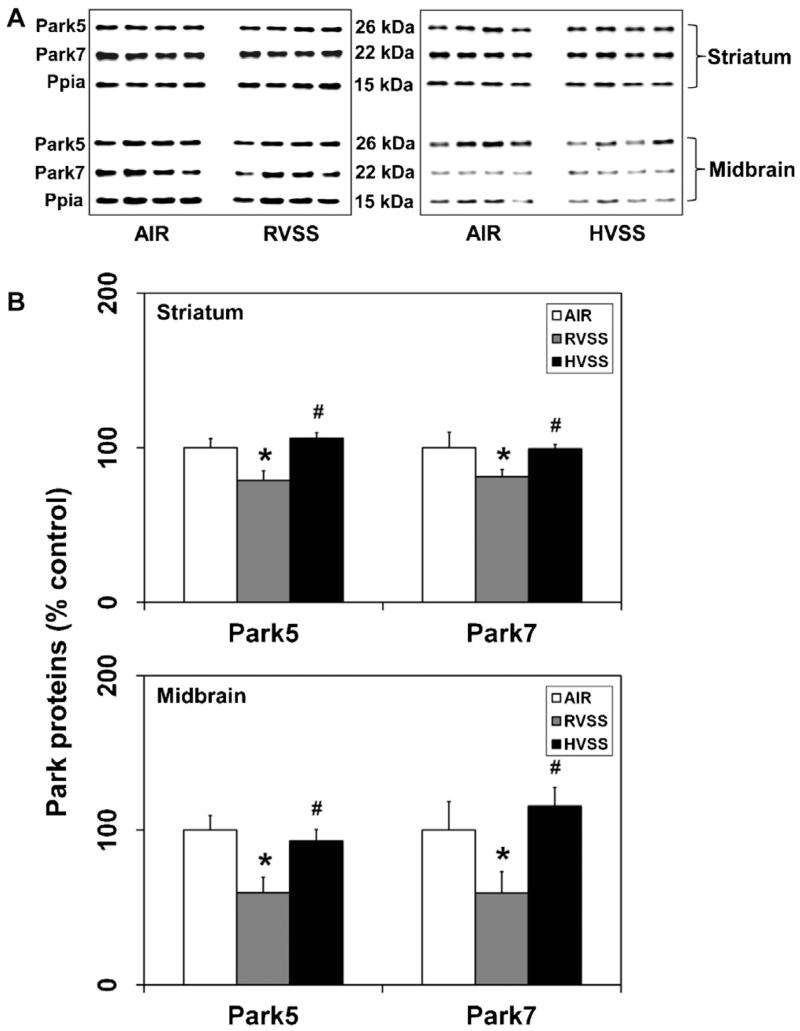
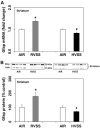
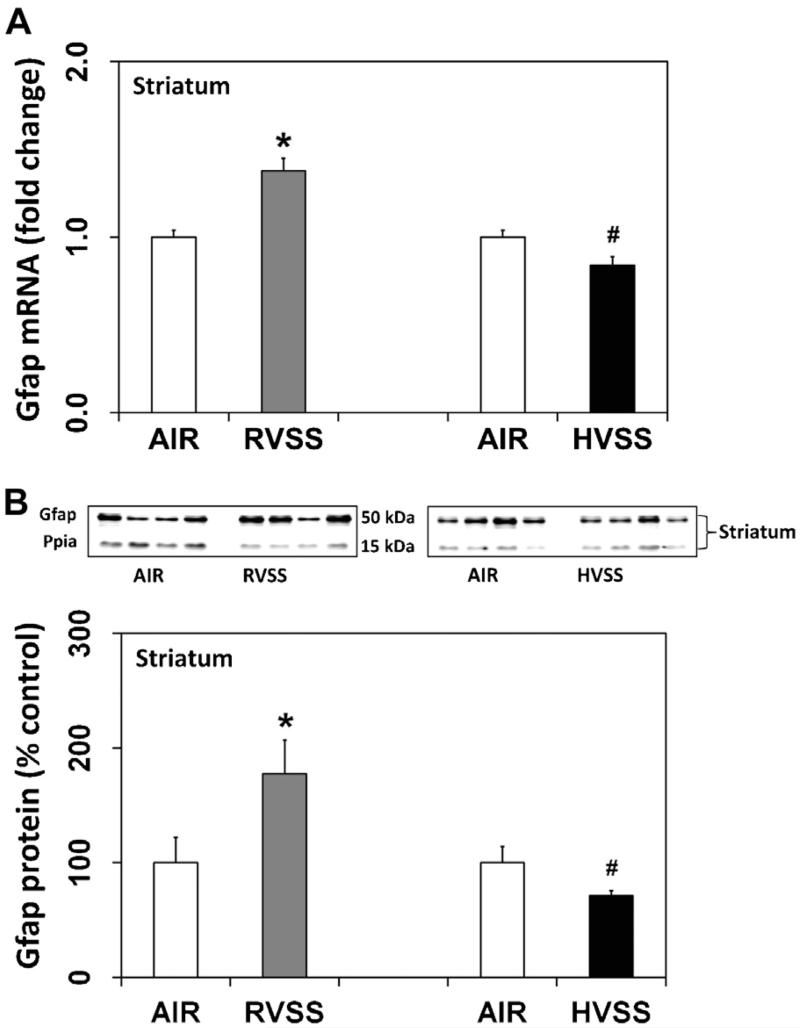
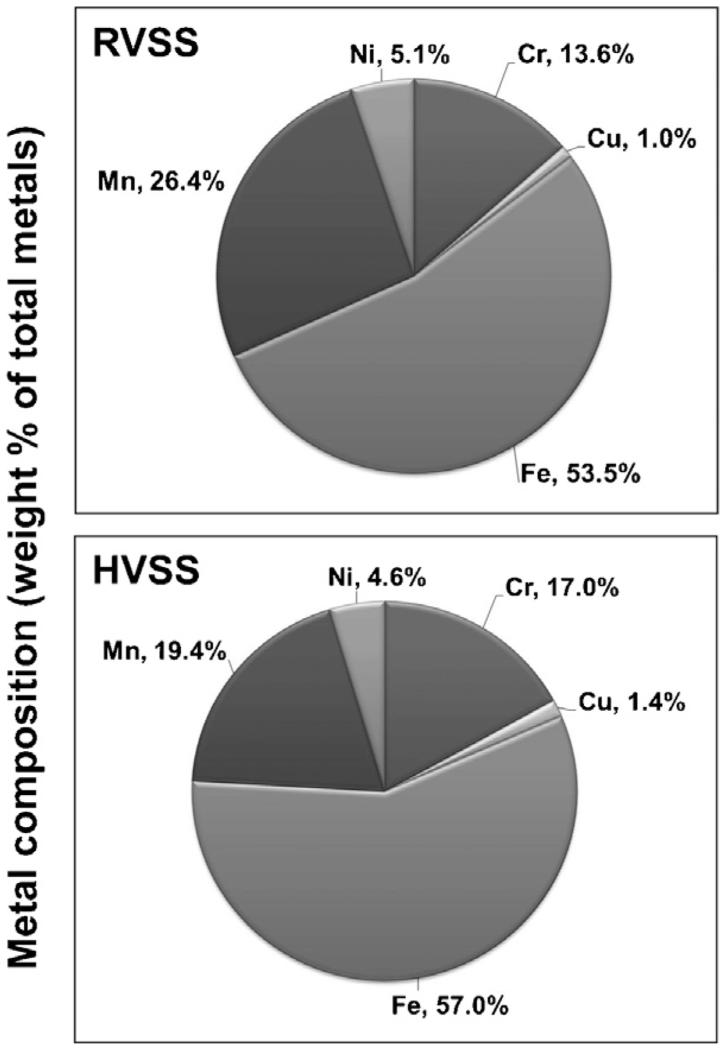
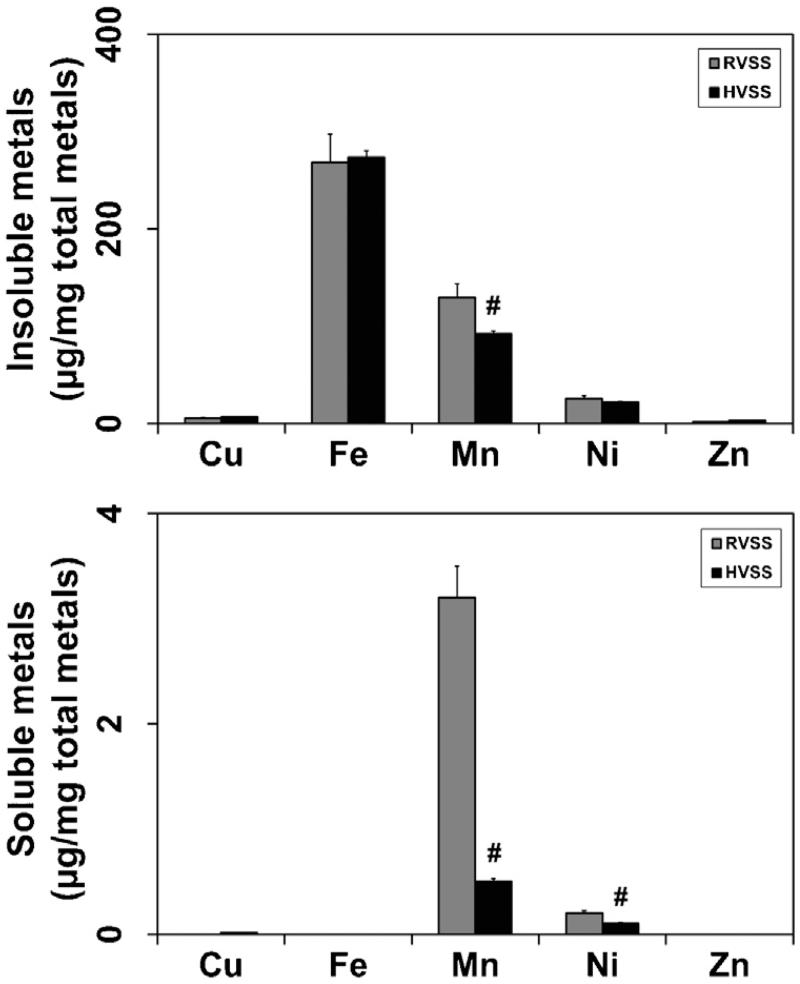
Description:Welding fumes (WF) are a complex mixture of toxic metals and gases, inhalation of which can lead to adverse health effects among welders. The presence of manganese (Mn) in welding electrodes is cause for concern about the potential development of Parkinson's disease (PD)-like neurological disorder. Consequently, from an occupational safety perspective, there is a critical need to prevent adverse exposures to WF. As the fume generation rate and physicochemical characteristics of welding aerosols are influenced by welding process parameters like voltage, current or shielding gas, we sought to determine if changing such parameters can alter the fume profile and consequently its neurotoxic potential. Specifically, we evaluated the influence of voltage on fume composition and neurotoxic outcome. Rats were exposed by whole-body inhalation (40 mg/m(3); 3h/day × 5 d/week × 2 weeks) to fumes generated by gas-metal arc welding using stainless steel electrodes (GMA-SS) at standard/regular voltage (25 V; RVSS) or high voltage (30 V; HVSS). Fumes generated under these conditions exhibited similar particulate morphology, appearing as chain-like aggregates; however, HVSS fumes comprised of a larger fraction of ultrafine particulates that are generally considered to be more toxic than their fine counterparts. Paradoxically, exposure to HVSS fumes did not elicit dopaminergic neurotoxicity, as monitored by the expression of dopaminergic and PD-related markers. We show that the lack of neurotoxicity is due to reduced solubility of Mn in HVSS fumes. Our findings show promise for process control procedures in developing prevention strategies for Mn-related neurotoxicity during welding; however, it warrants additional investigations to determine if such modifications can be suitably adapted at the workplace to avert or reduce adverse neurological risks.
-
Subjects:
- Article
- Manganese
- Neurotoxicity
- Parkinson’s disease
- Parkinsonism
- Prevention
- Welding
- Aerosols
- Air Pollutants, Occupational
- Animals
- Body Burden
- Brain
- Dopaminergic Neurons
- Equipment Design
- Gene Expression Regulation
- Humans
- Inhalation Exposure
- Male
- Manganese Poisoning
- Parkinson Disease, Secondary
- Particle Size
- Rats, Sprague-Dawley
- Risk Assessment
- Solubility
- Time Factors
-
Source:Toxicology. 328:168-178.
-
Pubmed ID:25549921
-
Pubmed Central ID:PMC4695973
-
Document Type:
-
Funding:
-
Volume:328
-
Download URL:
-
File Type:
 [PDF - 2.12 MB]
 -
Collection(s):
-
Main Document Checksum:urn:sha256:5ef4feaa16bcffd8fda73515d85ef182102a6c7d96d8d3249c70c4a8d969604a
Supporting Files


 Was this page helpful?
 Found an issue?








CDC STACKS serves as an archival repository of CDC-published products including
scientific findings, journal articles, guidelines, recommendations, or other public health information authored or
co-authored by CDC or funded partners.
As a repository, CDC STACKS retains documents in their original published format to ensure public access to scientific information.
As a repository, CDC STACKS retains documents in their original published format to ensure public access to scientific information.
You May Also Like
COLLECTION
CDC Public Access