


Concentrations and stability of methyl methacrylate, glutaraldehyde, formaldehyde and nickel sulfate in commercial patch test allergen preparations
Supporting Files

-
May 2014
-
Details
-
Alternative Title:Contact Dermatitis
-
Personal Author:
-
Description:Background
Epicutaneous patch tests are used to reproduce allergy and diagnose allergic contact dermatitis. Reliable allergen test preparations are required.
Objectives
The purpose of the present study was to measure the actual concentrations of nickel(II) sulfate hexahydrate (NiSO4), methyl methacrylate, formaldehyde, and glutaraldehyde, and to compare them with the labelled concentrations, in commercial patch test allergen preparations found in dermatology clinics where patch testing is routinely performed.
Materials and methods
The commercial in-date and out-of-date patch test allergen preparations concentrations of NiSO4, methyl methacrylate, formaldehyde and glutaraldehyde from one to three participating clinics were analysed with chromatographic or wet chemical techniques.
Results
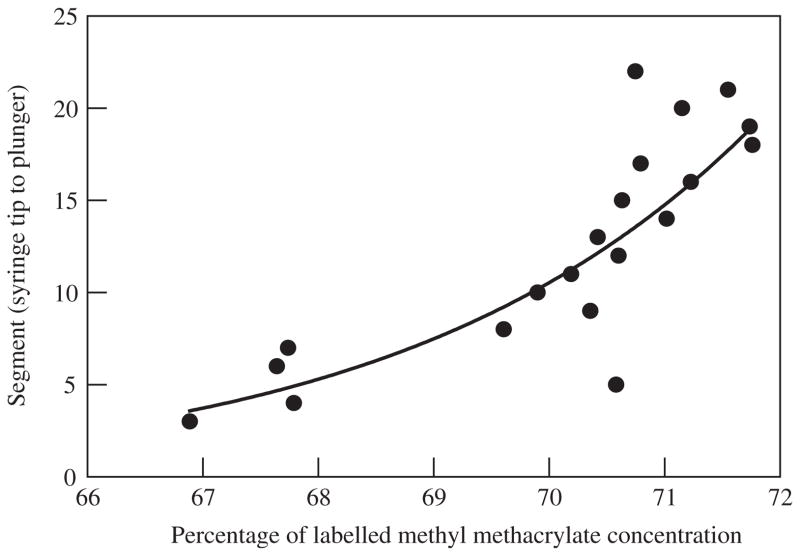
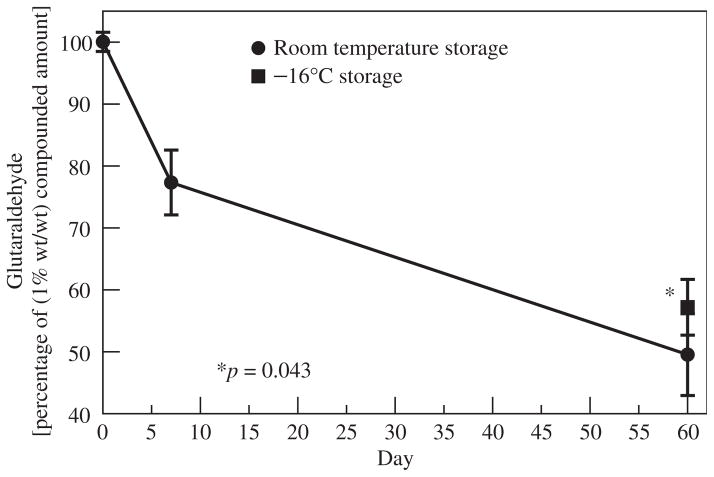
NiSO4 and formaldehyde concentrations were at or above the labelled concentrations; however, formaldehyde loss occurred with storage. NiSO4 particulate was uniformly distributed throughout the petrolatum. ‘In-use’ methyl methacrylate reagent syringes all contained ≤ 56% of the 2% label concentration, with no observable relationship with expiration date. Lower methyl methacrylate cocentrations were consistently measured at the syringe tip end, suggesting loss resulting from methyl methacrylate’s volatility. The concentrations of glutaraldehyde patch test allergen preparations ranged from 27% to 45% of the labelled (1% in pet.) concentration, independently of expiration date.
Conclusions
Some false-negative methyl methacrylate, formaldehyde or glutaraldehyde patch test results may be attributable to instability of the test preparations.
-
Subjects:
-
Source:Contact Dermatitis. 70(5):309-315.
-
Pubmed ID:24731086
-
Pubmed Central ID:PMC4629838
-
Document Type:
-
Funding:
-
Volume:70
-
Issue:5
-
Collection(s):
-
Main Document Checksum:urn:sha256:2b109c03a8aec803751e1f8615c73422f8b131180556e00aa24ef824501630b7
-
Download URL:
-
File Type:
 [PDF
- 350.64 KB
]
[PDF
- 350.64 KB
]
Supporting Files


ON THIS PAGE


CDC STACKS serves as an archival repository of CDC-published products including
scientific findings,
journal articles, guidelines, recommendations, or other public health information authored or
co-authored by CDC or funded partners.
As a repository, CDC STACKS retains documents in their original published format to ensure public access to scientific information.
As a repository, CDC STACKS retains documents in their original published format to ensure public access to scientific information.
You May Also Like
COLLECTION
CDC Public Access