


Particle size and surface area effects on explosibility using a 20-L chamber
Supporting Files

-
Sep 2015
-
Details
-
Alternative Title:J Loss Prev Process Ind
-
Personal Author:
-
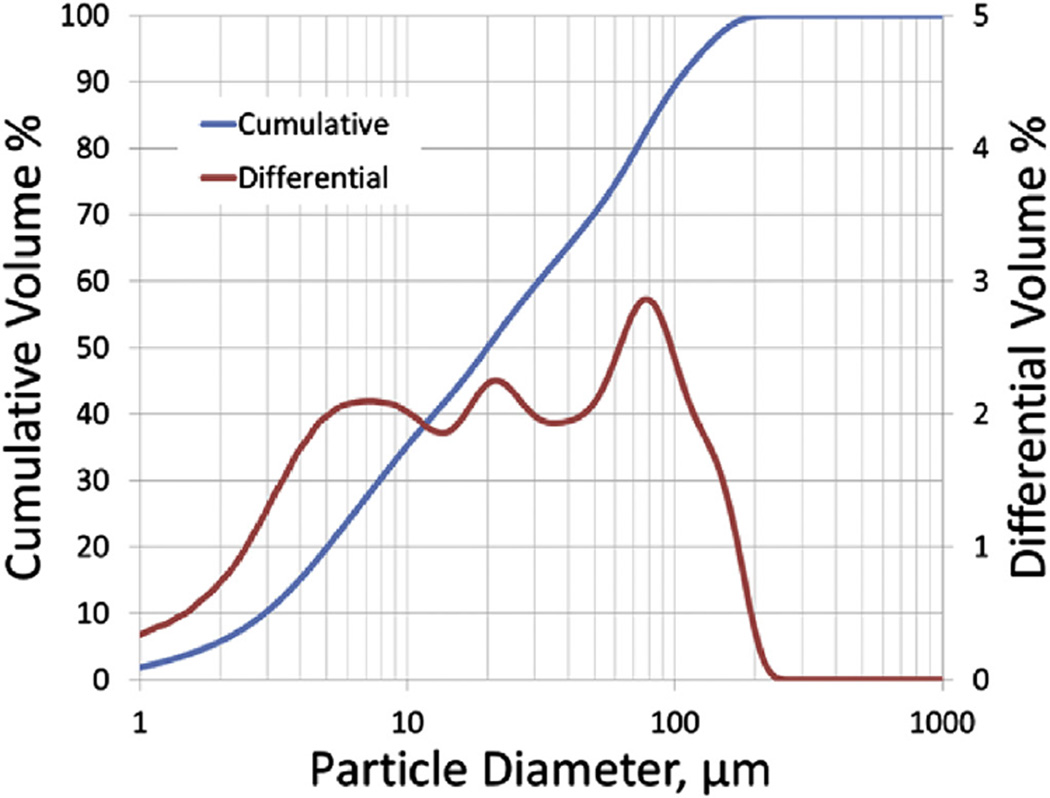
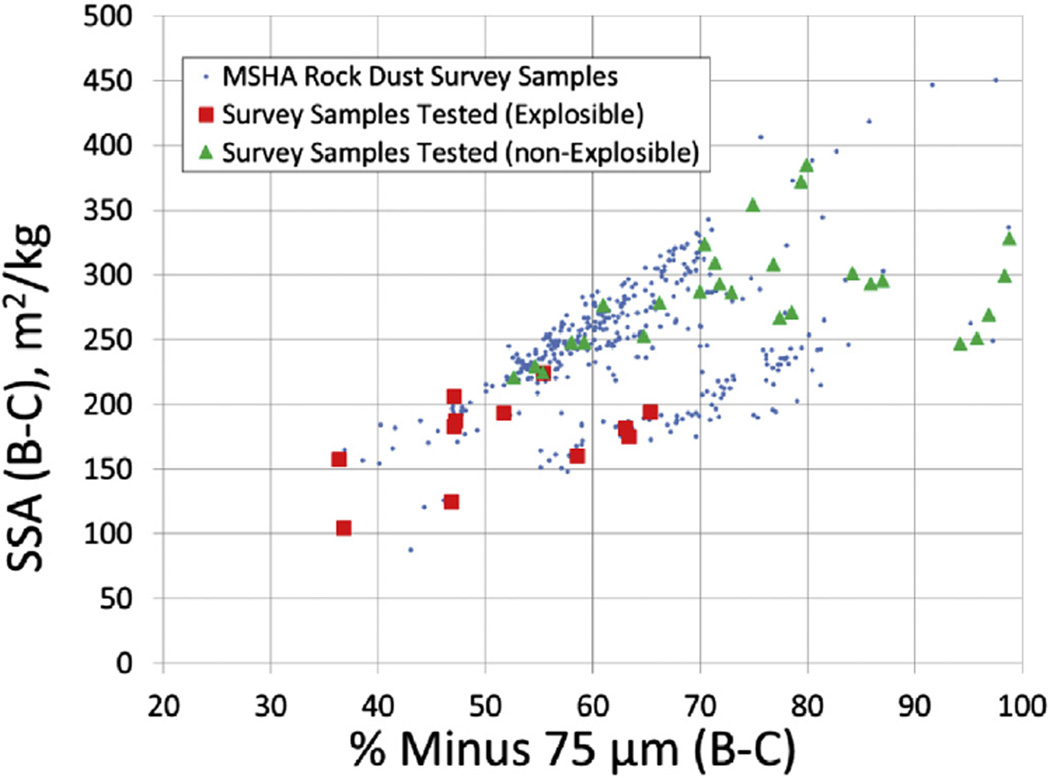
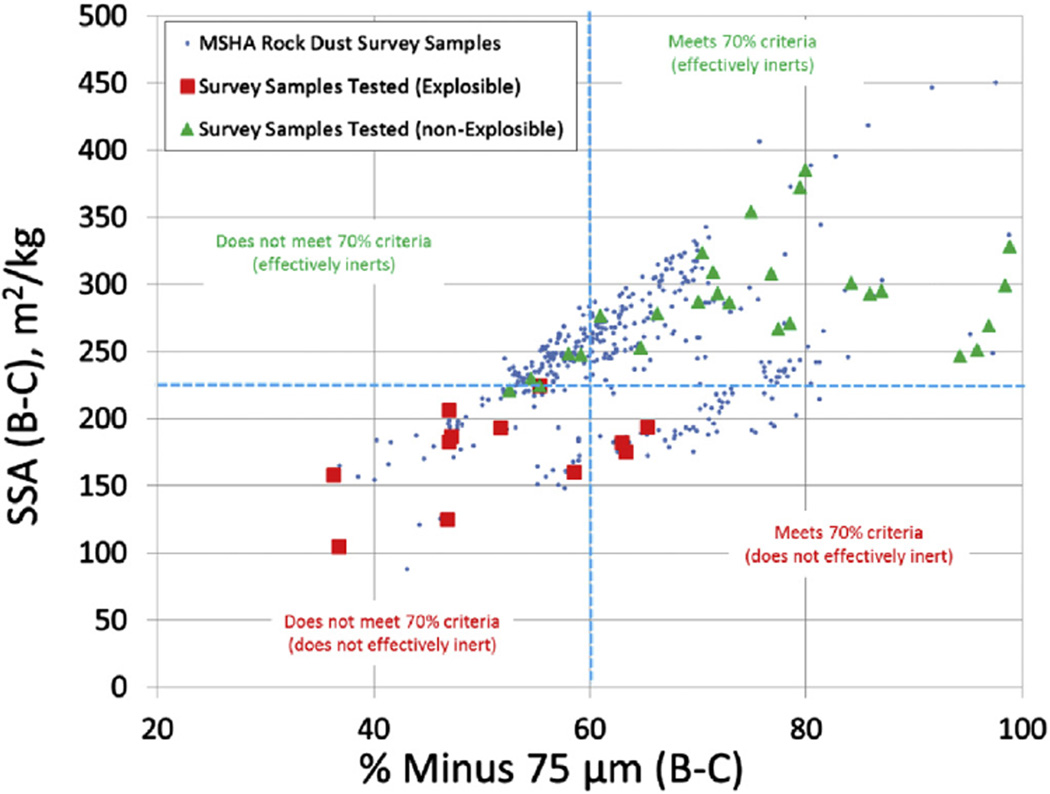
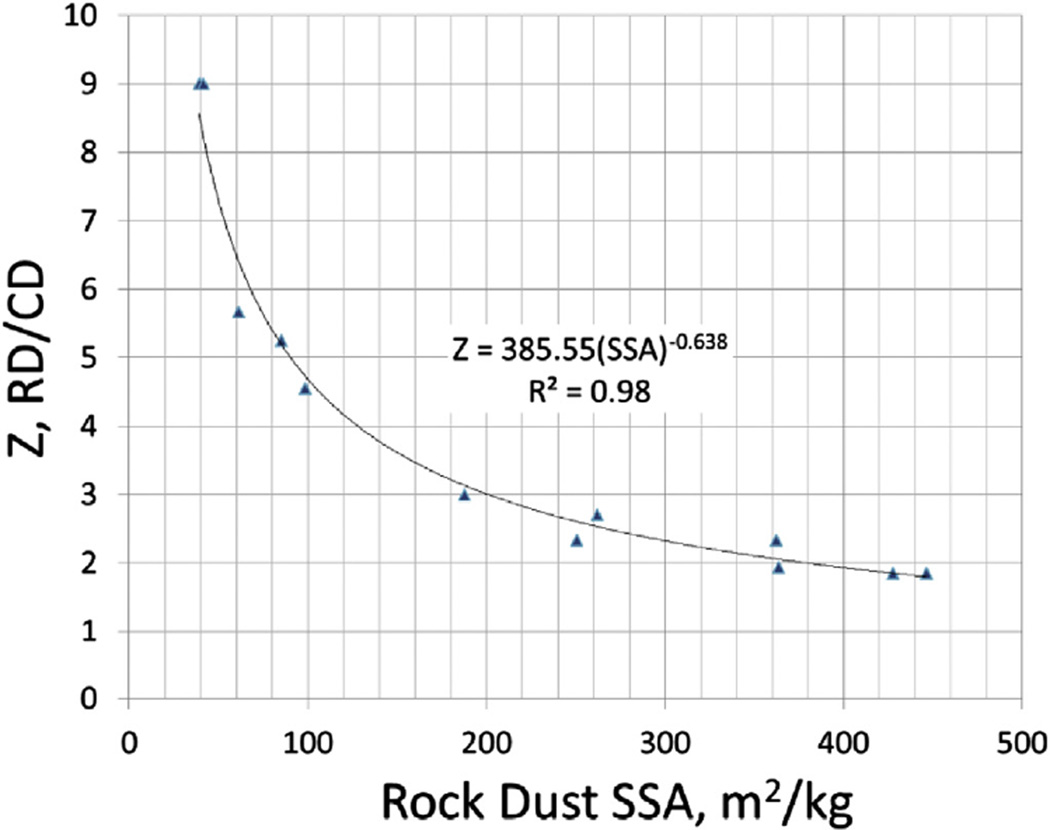
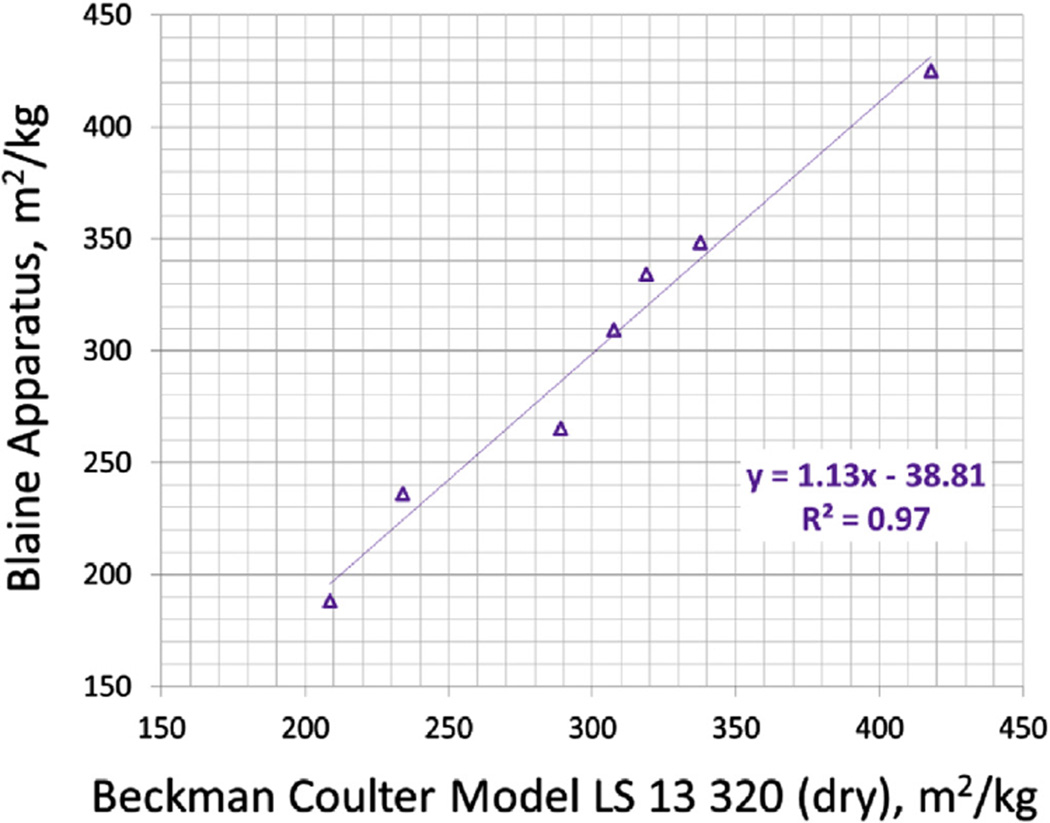
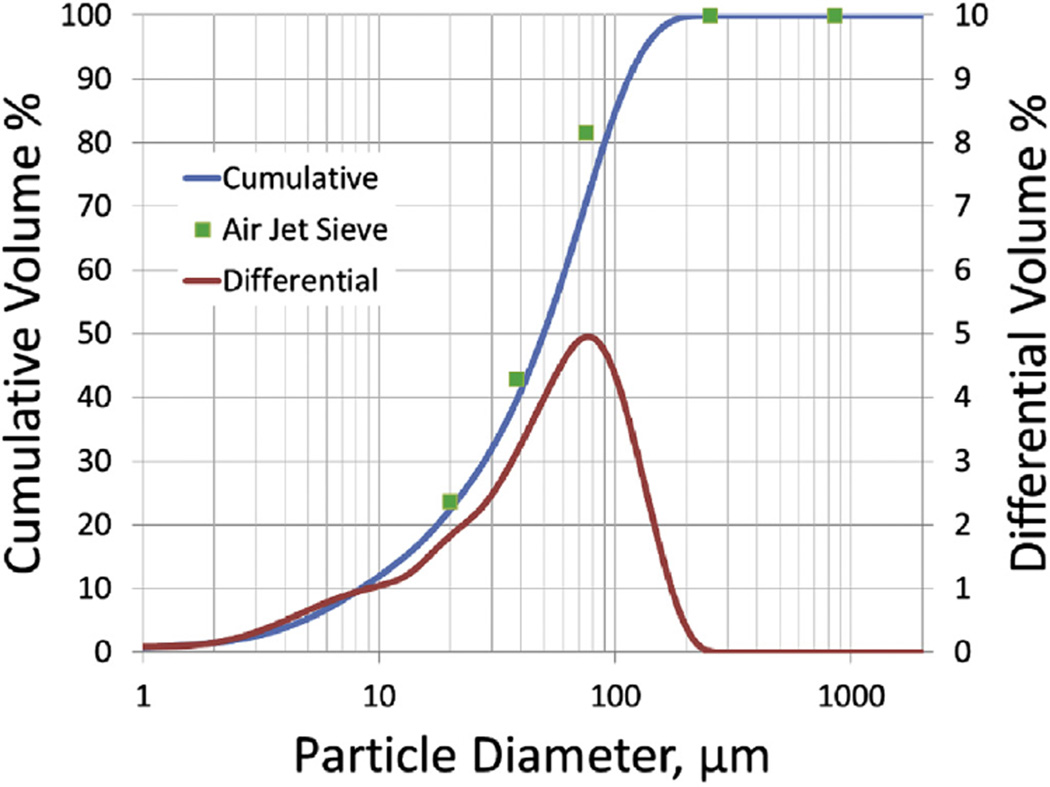
Description:The Mine Safety and Health Administration (MSHA) specification for rock dust used in underground coal mines, as defined by 30 CFR 75.2, requires 70% of the material to pass through a 200 mesh sieve (<75 µm). However, in a collection of rock dusts, 47% were found to not meet the criteria. Upon further investigation, it was determined that some of the samples did meet the specification, but were inadequate to render pulverized Pittsburgh coal inert in the National Institute for Occupational Safety and Health (NIOSH) Office of Mine Safety and Health Research (OMSHR) 20-L chamber. This paper will examine the particle size distributions, specific surface areas (SSA), and the explosion suppression effectiveness of these rock dusts. It will also discuss related findings from other studies, including full-scale results from work performed at the Lake Lynn Experimental Mine. Further, a minimum SSA for effective rock dust will be suggested.
-
Subjects:
-
Source:J Loss Prev Process Ind. 37:33-38.
-
Pubmed ID:26523092
-
Pubmed Central ID:PMC4627900
-
Document Type:
-
Funding:
-
Volume:37
-
Collection(s):
-
Main Document Checksum:urn:sha256:0a4d53b48d23b32774009f19f1a7a26e82ae9f668c9e70433bbc0df98ed07f34
-
Download URL:
-
File Type:
 [PDF
- 1.74 MB
]
[PDF
- 1.74 MB
]
Supporting Files


ON THIS PAGE



CDC STACKS serves as an archival repository of CDC-published products including
scientific findings,
journal articles, guidelines, recommendations, or other public health information authored or
co-authored by CDC or funded partners.
As a repository, CDC STACKS retains documents in their original published format to ensure public access to scientific information.
As a repository, CDC STACKS retains documents in their original published format to ensure public access to scientific information.
You May Also Like
COLLECTION
CDC Public Access