


Work-family conflict, cardiometabolic risk and sleep duration in nursing employees
Supporting Files

-
10 2015
-
File Language:
English
Details
-
Alternative Title:J Occup Health Psychol
-
Personal Author:
-
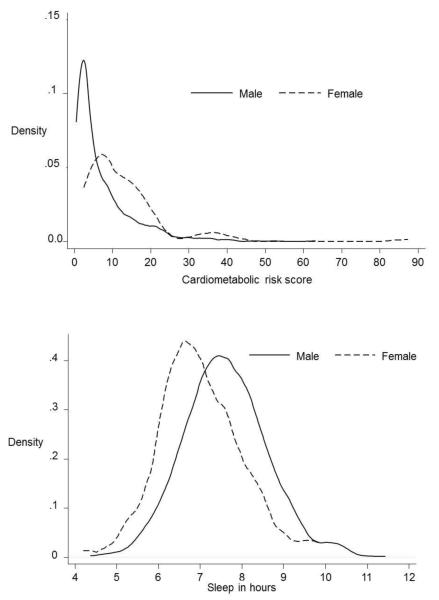
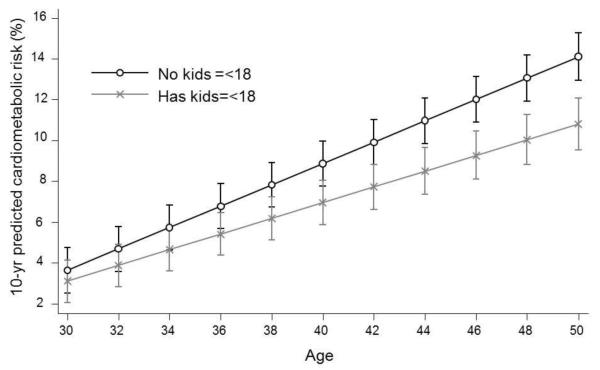
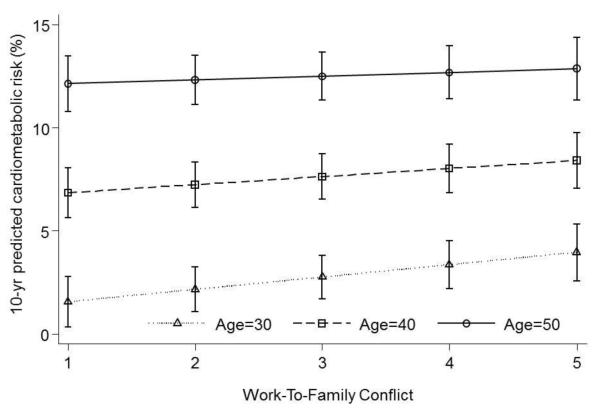
Description:We investigated associations of work-family conflict and work and family conditions with objectively measured cardiometabolic risk and sleep. Multilevel analyses assessed cross-sectional associations between employee and job characteristics and health in analyses of 1,524 employees in 30 extended-care facilities in a single company. We examined work and family conditions in relation to: (a) validated, cardiometabolic risk score based on measured blood pressure, cholesterol, glycosylated hemoglobin, body mass index, and self-reported tobacco consumption and (b) wrist actigraphy-based sleep duration. In fully adjusted multilevel models, work-to-family conflict but not family-to-work conflict was positively associated with cardiometabolic risk. Having a lower level occupation (nursing assistant vs. nurse) was associated with increased cardiometabolic risk, whereas being married and having younger children at home was protective. A significant Age × Work-to-Family Conflict interaction revealed that higher work-to-family conflict was more strongly associated with increased cardiometabolic risk in younger employees. High family-to-work conflict was significantly associated with shorter sleep duration. Working long hours and having children at home were both independently associated with shorter sleep duration. High work-to-family conflict was associated with longer sleep duration. These results indicate that different dimensions of work-family conflict may pose threats to cardiometabolic health and sleep duration for employees. This study contributes to the research on work-family conflict, suggesting that work-to-family and family-to-work conflict are associated with specific health outcomes. Translating theory and findings to preventive interventions entails recognition of the dimensionality of work and family dynamics and the need to target specific work and family conditions.
-
Keywords:
-
Source:J Occup Health Psychol. 20(4):420-433
-
Pubmed ID:25961758
-
Pubmed Central ID:PMC4586296
-
Document Type:
-
Funding:U01OH008788/OH/NIOSH CDC HHSUnited States/ ; R01HL107240/HL/NHLBI NIH HHSUnited States/ ; U01 HD051217/HD/NICHD NIH HHSUnited States/ ; U01HD059773/HD/NICHD NIH HHSUnited States/ ; U01HD051276/HD/NICHD NIH HHSUnited States/ ; U01AG027669/AG/NIA NIH HHSUnited States/ ; U01 OH008788/OH/NIOSH CDC HHSUnited States/ ; U01HD051256/HD/NICHD NIH HHSUnited States/ ; U01HD051218/HD/NICHD NIH HHSUnited States/ ; U01 HD051256/HD/NICHD NIH HHSUnited States/ ; R03 AG046393/AG/NIA NIH HHSUnited States/ ; U01HD051217/HD/NICHD NIH HHSUnited States/ ; U01 AG027669/AG/NIA NIH HHSUnited States/ ; R01 HL107240/HL/NHLBI NIH HHSUnited States/ ; U01 HD059773/HD/NICHD NIH HHSUnited States/ ; U01 HD051276/HD/NICHD NIH HHSUnited States/ ; U01 HD051218/HD/NICHD NIH HHSUnited States/
-
Volume:20
-
Issue:4
-
Collection(s):
-
Main Document Checksum:urn:sha256:19af3dcadb0a7f86a74ddeb9dbeac5260f86456128b75a59a22ac50f231ea77d
-
Download URL:
-
File Type:
 [PDF
- 586.80 KB
]
[PDF
- 586.80 KB
]
Supporting Files


File Language:
English
ON THIS PAGE



CDC STACKS serves as an archival repository of CDC-published products including
scientific findings,
journal articles, guidelines, recommendations, or other public health information authored or
co-authored by CDC or funded partners.
As a repository, CDC STACKS retains documents in their original published format to ensure public access to scientific information.
As a repository, CDC STACKS retains documents in their original published format to ensure public access to scientific information.
You May Also Like
COLLECTION
CDC Public Access