



Evaluation of 2009 pandemic influenza A (H1N1) exposures and illness among physicians in training
Supporting Files

-
May 22 2012
-
File Language:
English
Details
-
Alternative Title:Am J Infect Control
-
Personal Author:
-
Description:Background
A cluster of influenza-like illness (ILI) among physicians in training during the 2009 influenza A (H1N1) pandemic (pH1N1) led to a health hazard evaluation.
Methods
We conducted a cross-sectional study to examine exposures, infection control practices, ILI prevalence, and transmission among physicians in training at 4 affiliated hospitals during the pandemic. We administered an electronic survey and met with physicians in training and hospital personnel.
Results
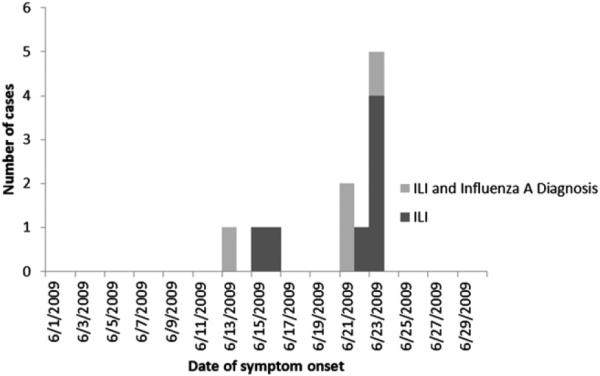
Of the 88 responding physicians, 85% reported exposure to pH1N1. Exposures occurred at work from patients or coworkers and outside of work from coworkers, household members, or the community. Thirteen cases of ILI were reported in May-June 2009; 10 respondents reported working while ill (duration, 1-4 days). Between 13% and 88% of respondents knew which personal protective equipment (PPE) was recommended when caring for influenza patients at the 4 hospitals. The most common reasons for not using PPE were not knowing that a patient had pH1N1 or ILI and not having PPE readily available.
Conclusions
Physicians in training have gaps in their knowledge of and adherence to recommended PPE and compliance with work restrictions. Our findings underscore the importance of installing isolation precaution signage, making PPE readily available near patients with influenza, and facilitating work restrictions for ill health care personnel.
-
Subjects:
-
Source:Am J Infect Control. 40(7):617-621.
-
Pubmed ID:22622511
-
Pubmed Central ID:PMC4555992
-
Document Type:
-
Funding:
-
Volume:40
-
Issue:7
-
Collection(s):
-
Main Document Checksum:urn:sha256:a70501be597d51dc1b092a4856696dfd8ab4904464f1f5ed0181856cc32a63c3
-
Download URL:
-
File Type:
 [PDF
- 184.38 KB
]
[PDF
- 184.38 KB
]
Supporting Files


File Language:
English
 Was this page helpful?
 Found an issue?
CDC STACKS serves as an archival repository of CDC-published products including
scientific findings,
journal articles, guidelines, recommendations, or other public health information authored or
co-authored by CDC or funded partners.
As a repository, CDC STACKS retains documents in their original published format to ensure public access to scientific information.
As a repository, CDC STACKS retains documents in their original published format to ensure public access to scientific information.
You May Also Like
COLLECTION
CDC Public Access