


Routine Pre-cesarean Staphylococcus aureus Screening and Decolonization: A Cost-Effectiveness Analysis
Supporting Files

-
10 2011
-
File Language:
English
Details
-
Alternative Title:Am J Manag Care
-
Personal Author:
-
Description:Objectives
To estimate the economic value of screening pregnant women for Staphylococcus aureus carriage before cesarean delivery.
Study Design
Computer simulation model.
Methods
We used computer simulation to assess the cost-effectiveness, from the third-party payer perspective, of routine screening for S aureus (and subsequent decolonization of carriers) before planned cesarean delivery. Sensitivity analyses explored the effects of varying S aureus colonization prevalence, decolonization treatment success rate (for the extent of the puerperal period), and the laboratory technique (agar culture vs polymerase chain reaction [PCR]) utilized for screening and pathogen identification from wound isolates.
Results
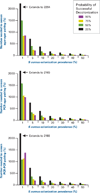
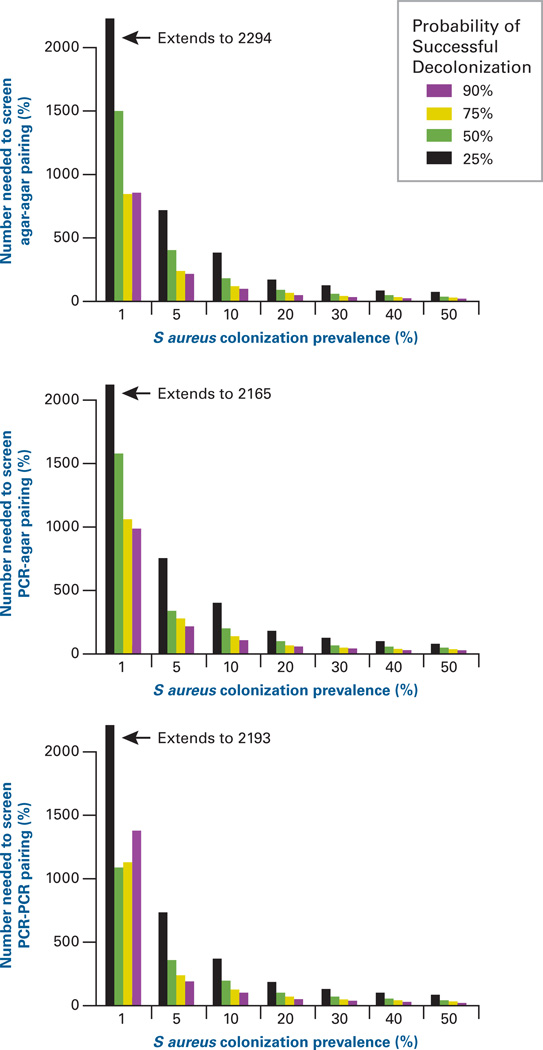
Pre-cesarean screening and decolonization were only cost-effective when agar was used for both screening and wound cultures when the probability of decolonization success was ≥50% and colonization prevalence was ≥40%, or decolonization was ≥75% successful and colonization prevalence was ≥20%. The intervention was never cost-effective using PCR-based laboratory methods. The cost of agar versus PCR and their respective sensitivities and specificities, as well as the probability of successful decolonization, were important drivers of the economic and health impacts of preoperative screening and decolonization of pregnant women. The number needed to screen ranged from 21 to 2294, depending on colonization prevalence, laboratory techniques used, and the probability of successful decolonization.
Conclusions
Despite high rates of cesarean delivery, presurgical screening of pregnant women for S aureus and decolonization of carriers is unlikely to be cost-effective under prevailing epidemiologic circumstances.
-
Subjects:
-
Source:Am J Manag Care. 17(10):693-700
-
Pubmed ID:22106462
-
Pubmed Central ID:PMC3836821
-
Document Type:
-
Funding:
-
Volume:17
-
Issue:10
-
Collection(s):
-
Main Document Checksum:urn:sha256:b06ed25d55dc627f127d84ed879c9067a37edcb9541d65372a2e287485c79050
-
Download URL:
-
File Type:
 [PDF
- 755.50 KB
]
[PDF
- 755.50 KB
]
Supporting Files


File Language:
English
ON THIS PAGE


CDC STACKS serves as an archival repository of CDC-published products including
scientific findings,
journal articles, guidelines, recommendations, or other public health information authored or
co-authored by CDC or funded partners.
As a repository, CDC STACKS retains documents in their original published format to ensure public access to scientific information.
As a repository, CDC STACKS retains documents in their original published format to ensure public access to scientific information.
You May Also Like
COLLECTION
CDC Public Access