



Finite Element Model Predictions of Intracranial Hemorrhage from Non-Impact, Rapid Head Rotations in the Piglet
Supporting Files

-
Jan 05 2012
-
Available in CDC Stacks on 2013-05-01T00:00:00Z
File Language:
English
Details
-
Alternative Title:Int J Dev Neurosci
-
Personal Author:
-
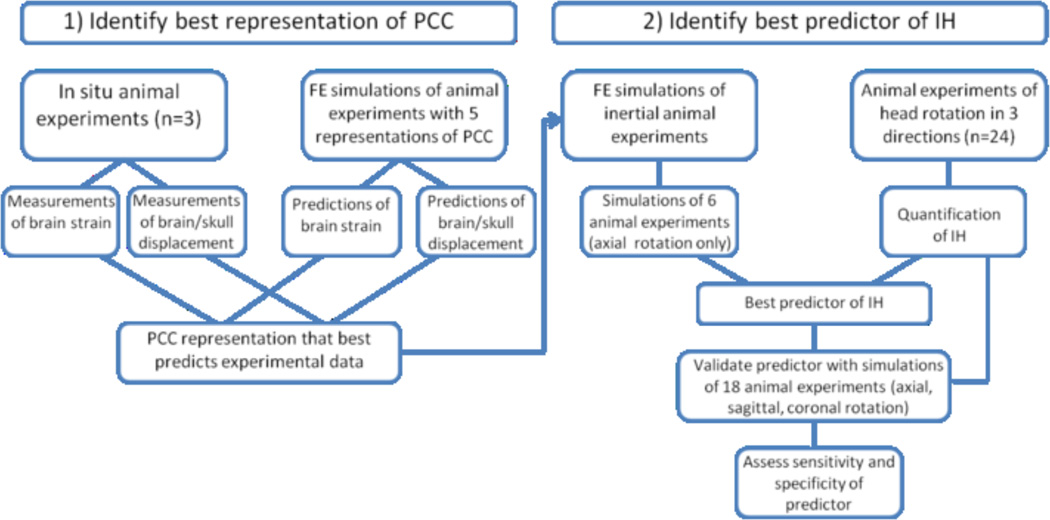
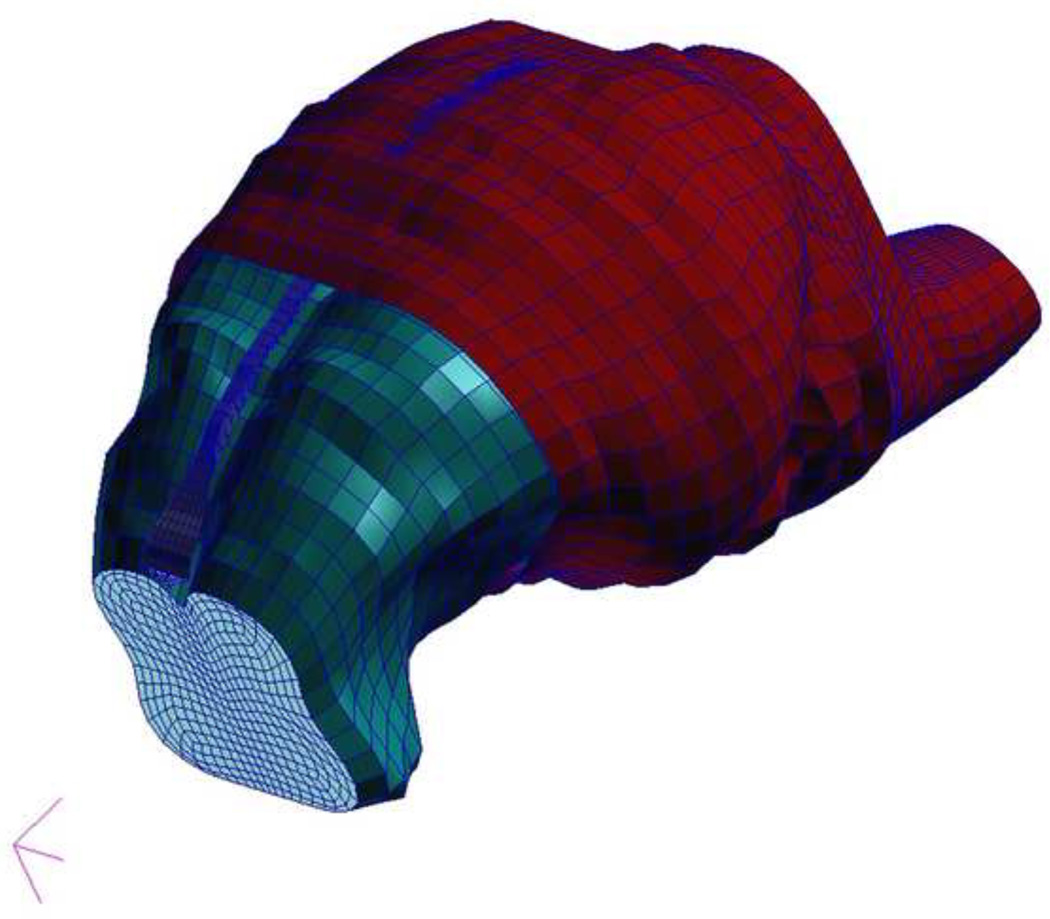
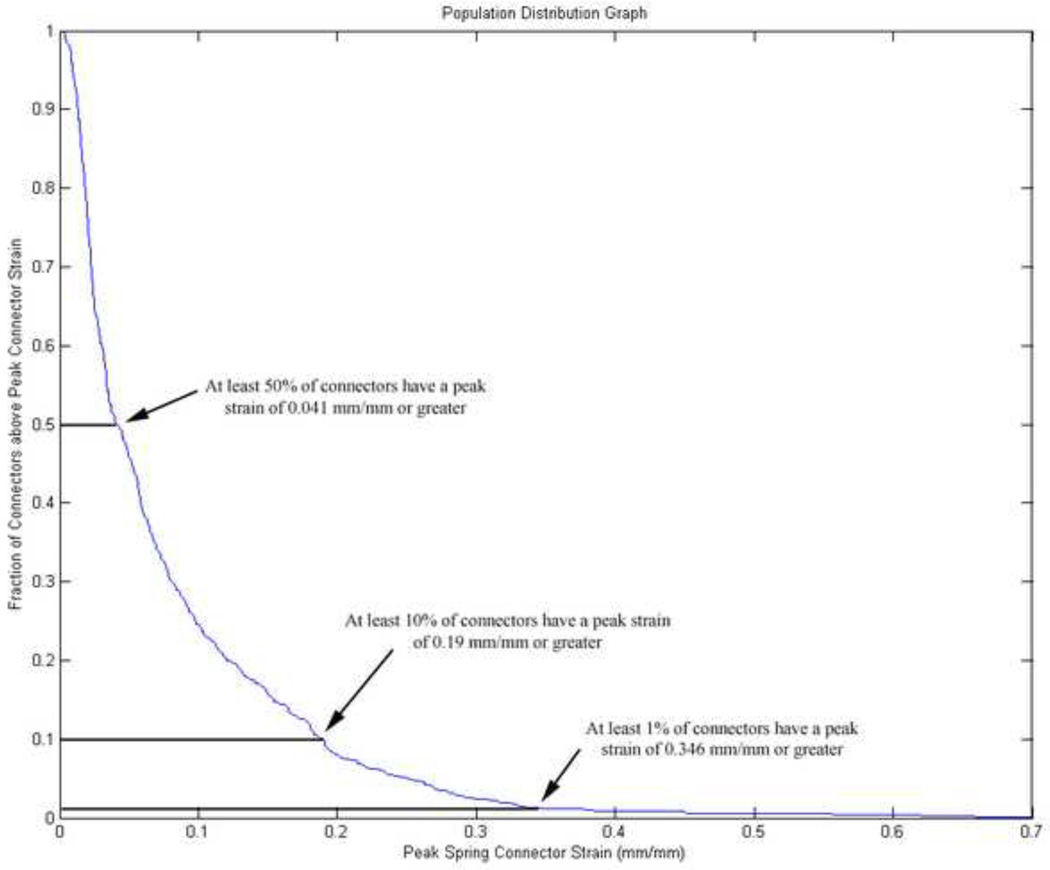
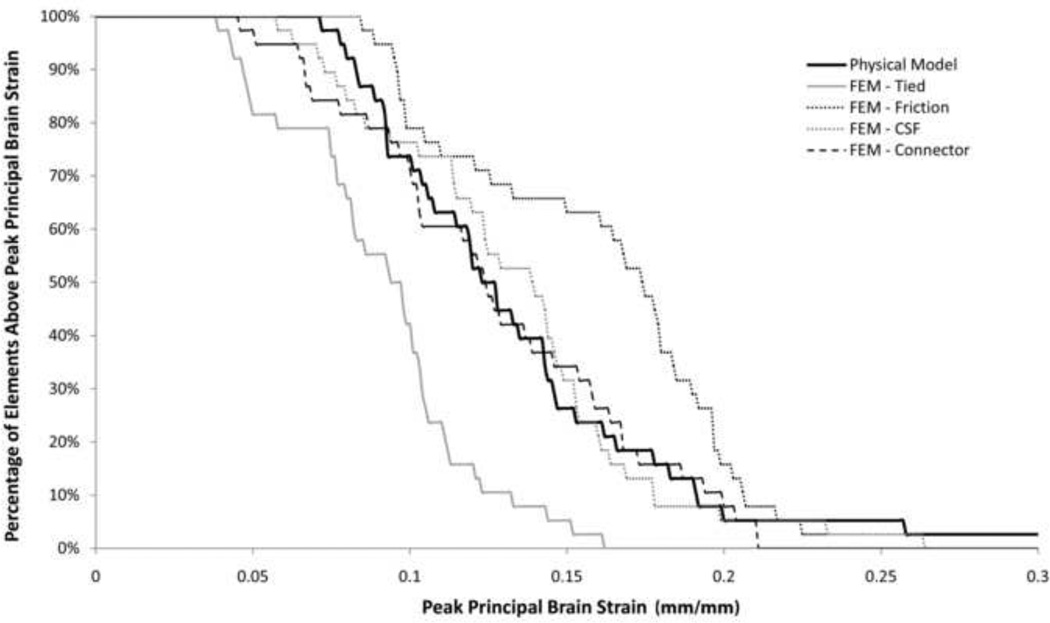
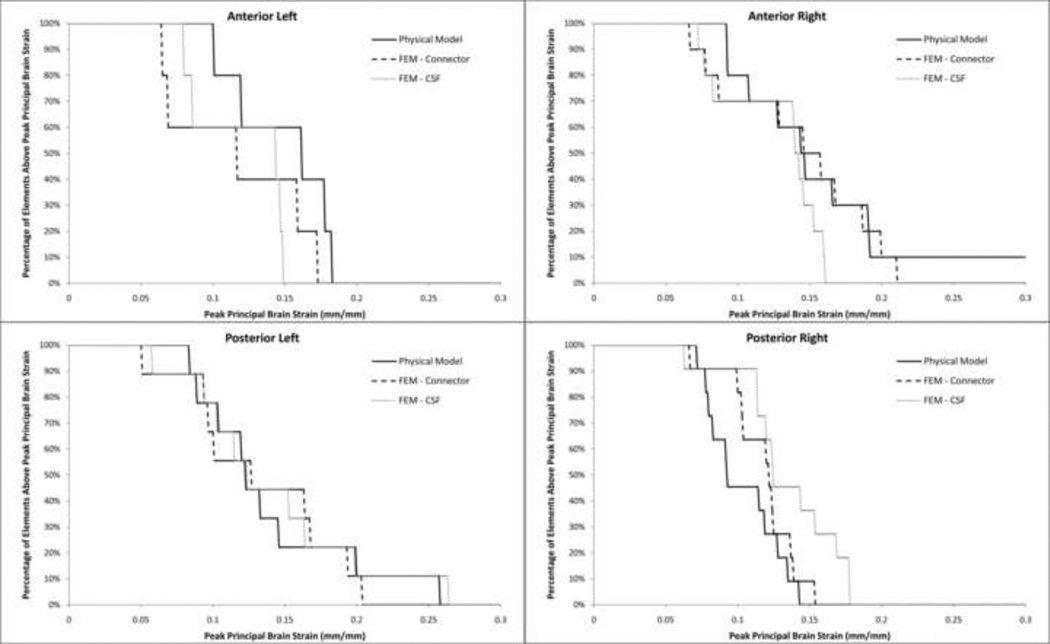
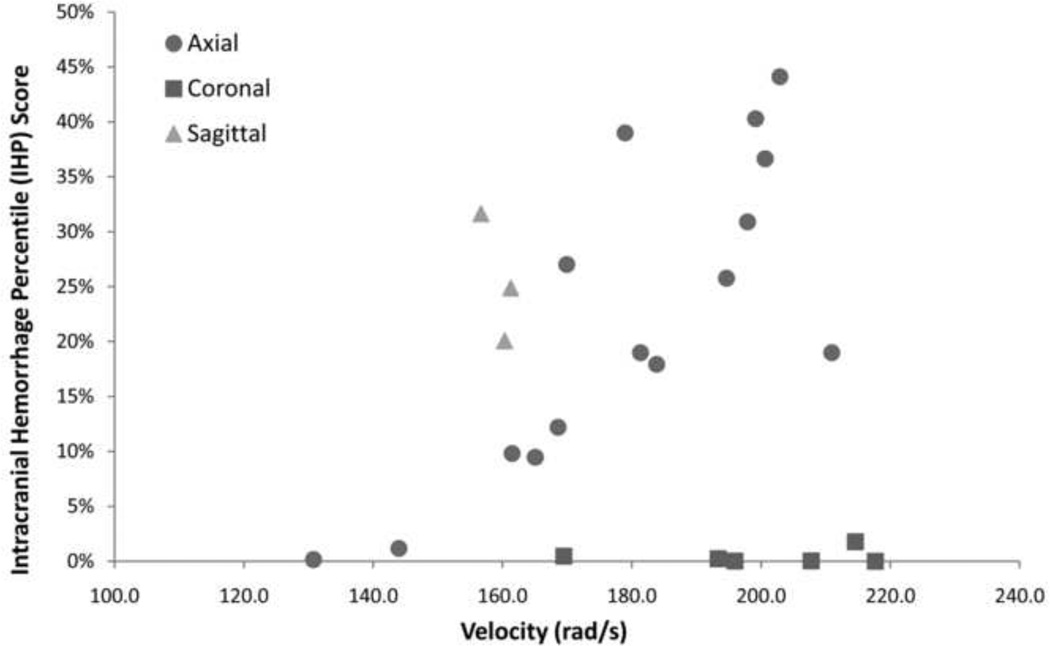
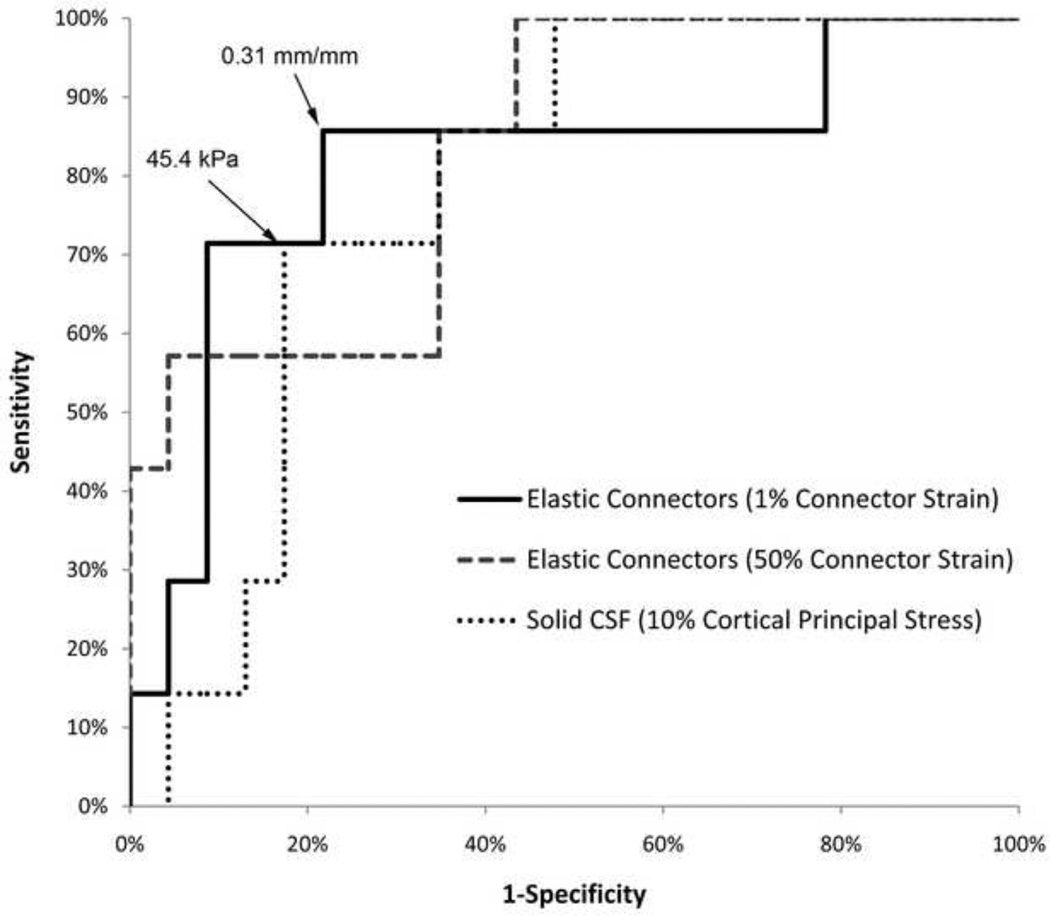
Description:Clinicians are charged with the significant task of distinguishing between accidental and inflicted head trauma. Oftentimes this distinction is straightforward, but many times probabilities of injuries from accidental scenarios are unknown making the differential diagnosis difficult. For example, it is unknown whether intracranial hemorrhage (IH) can occur at a location other than a focal contact site following a low height fall. To create a foundation for predicting regional IH in infants, we sought to identify the biomechanical response and injury threshold best able to predict IH in 3-5 day old piglets. First, finite element (FE) model simulations of in situ animal studies were performed to ascertain the optimal representation of the pia-arachnoid complex, cerebrospinal fluid and cortical vasculature (PCC) for predicting brain strain and brain/skull displacement. Second, rapid head rotations resulting in various degrees of IH were simulated (n=24) to determine the biomechanical predictor and injury threshold most closely correlated with IH. FE models representing the PCC with either spring connectors or solid elements between the brain and skull resulted in peak brain strain and brain/skull displacement similar to measured values in situ. However, when predicting IH, the spring connector representation of the PCC had the best predictive capability for IH with a sensitivity of 80% and a specificity of 85% when ≥ 1% of all spring connectors had at least a peak strain of 0.31 mm/mm. These findings and reported methodology will be used in the development of a human infant FE model to simulate real-world falls and identify injury thresholds for predicting IH in infants.
-
Subjects:
-
Source:Int J Dev Neurosci. 2012; 30(3):191-200.
-
Pubmed ID:22239917
-
Pubmed Central ID:PMC3322291
-
Document Type:
-
Funding:R01 NS039679/NS/NINDS NIH HHS/United States ; R01 NS039679-10/NS/NINDS NIH HHS/United States ; R01-CE001445/CE/NCIPC CDC HHS/United States ; R01-NS39679/NS/NINDS NIH HHS/United States ; T32 NS043126/NS/NINDS NIH HHS/United States ; T32 NS043126-07/NS/NINDS NIH HHS/United States ; T32-NS043126-07/NS/NINDS NIH HHS/United States
-
Volume:30
-
Issue:3
-
Download URL:
-
File Type:
 [PDF - 3.09 MB]
 -
Collection(s):
-
Main Document Checksum:urn:sha256:712cb78252207d84f040b01630ab3a1104601f9a63c815b74710d76580d4ffda
Supporting Files


File Language:
English
 Was this page helpful?
 Found an issue?




CDC STACKS serves as an archival repository of CDC-published products including
scientific findings, journal articles, guidelines, recommendations, or other public health information authored or
co-authored by CDC or funded partners.
As a repository, CDC STACKS retains documents in their original published format to ensure public access to scientific information.
As a repository, CDC STACKS retains documents in their original published format to ensure public access to scientific information.
You May Also Like
COLLECTION
CDC Public Access