


Cellular and Subcellular Immunohistochemical Localization and Quantification of Cadmium Ions in Wheat (Triticum aestivum)
Supporting Files

-
May 05 2015
-
File Language:
English
Details
-
Alternative Title:PLoS One
-
Personal Author:
-
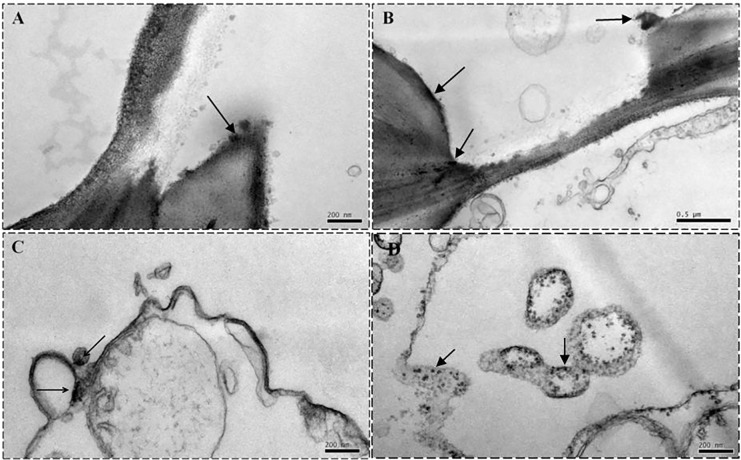
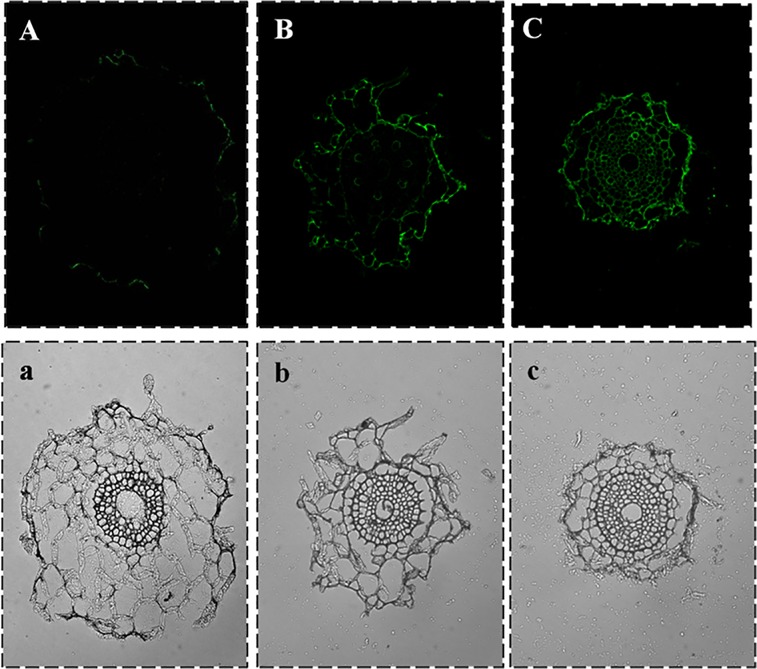
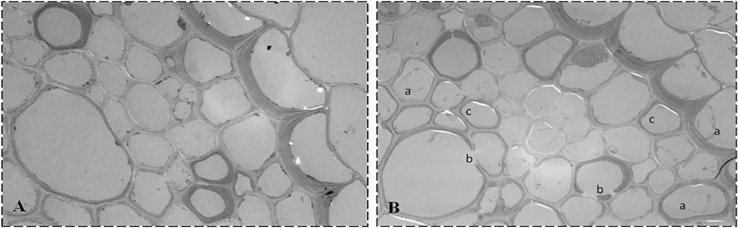
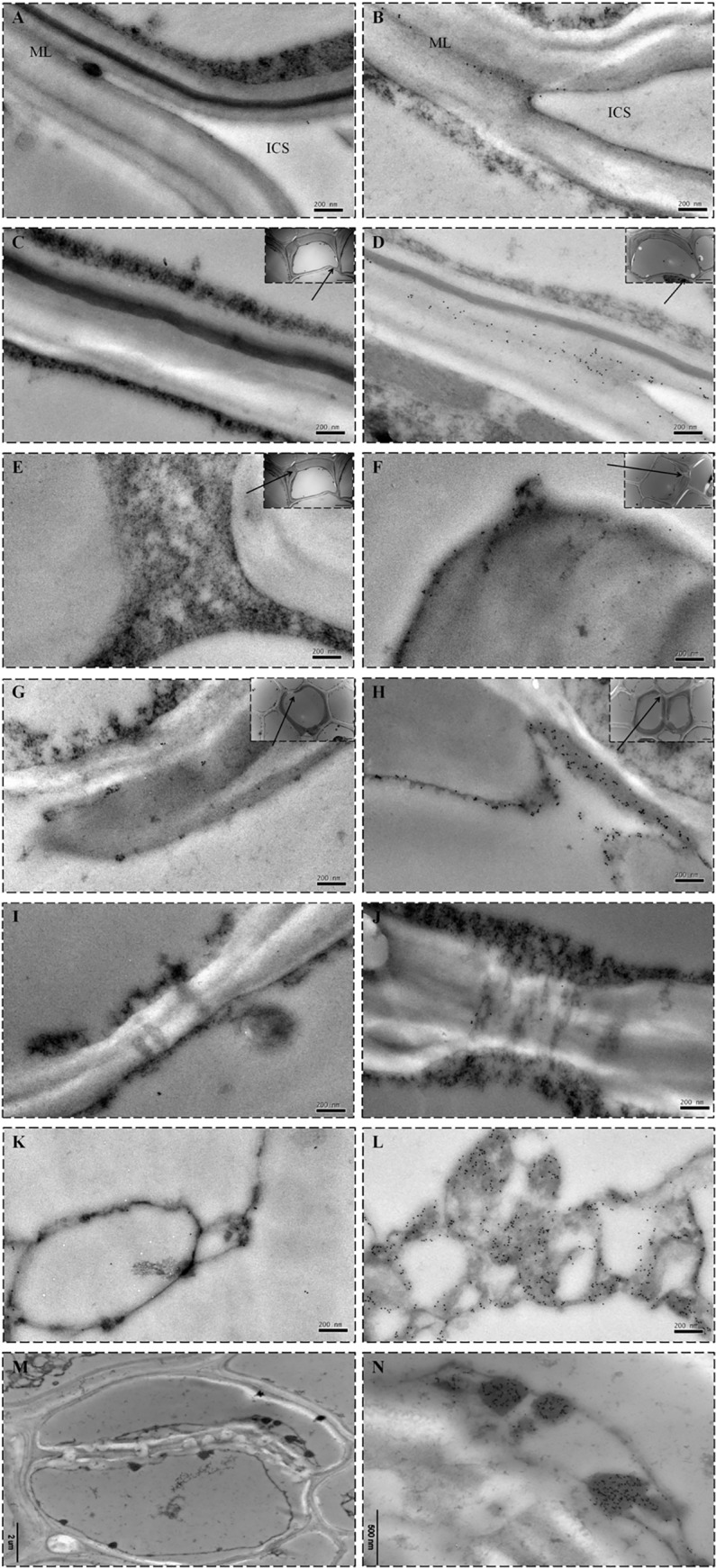
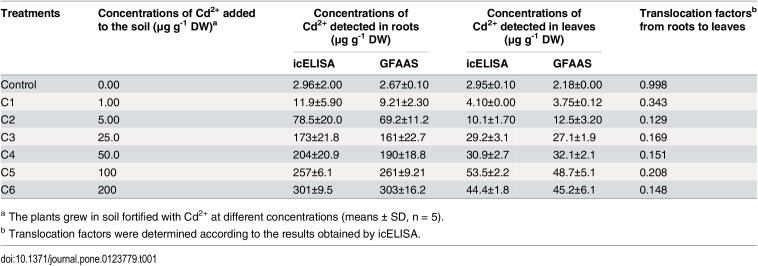
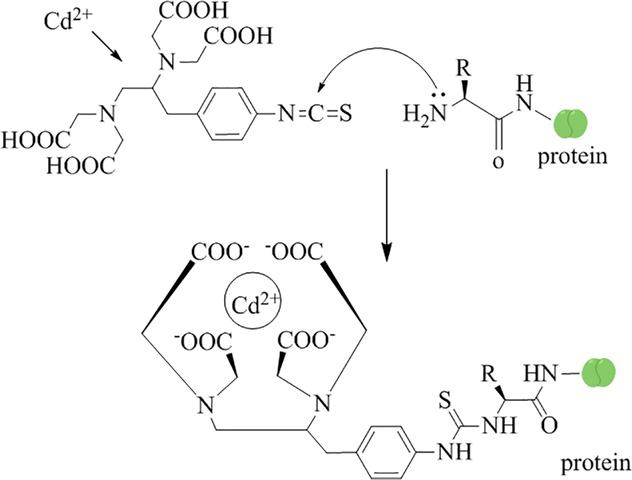
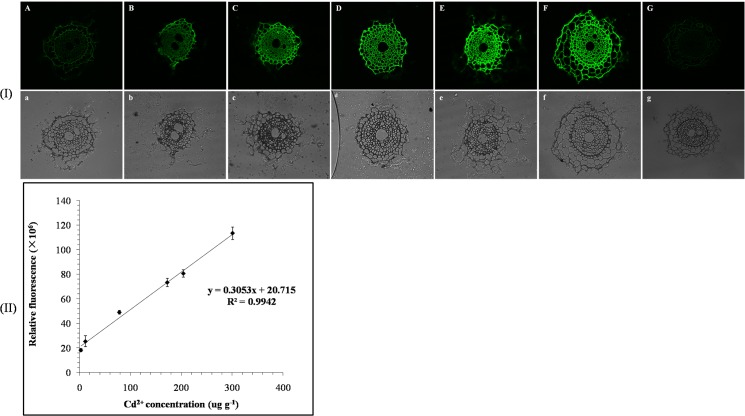
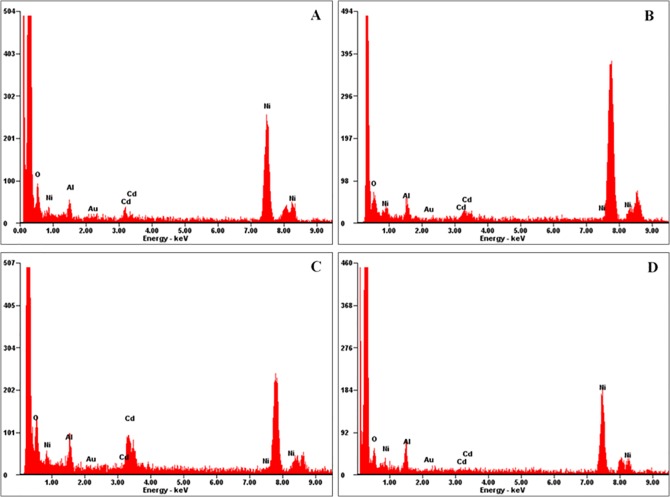
Description:The distribution of metallic ions in plant tissues is associated with their toxicity and is important for understanding mechanisms of toxicity tolerance. A quantitative histochemical method can help advance knowledge of cellular and subcellular localization and distribution of heavy metals in plant tissues. An immunohistochemical (IHC) imaging method for cadmium ions (Cd2+) was developed for the first time for the wheat Triticum aestivum grown in Cd2+-fortified soils. Also, 1-(4-Isothiocyanobenzyl)-ethylenediamine-N,N,N,N-tetraacetic acid (ITCB-EDTA) was used to chelate the mobile Cd2+. The ITCB-EDTA/Cd2+ complex was fixed with proteins in situ via the isothiocyano group. A new Cd2+-EDTA specific monoclonal antibody, 4F3B6D9A1, was used to locate the Cd2+-EDTA protein complex. After staining, the fluorescence intensities of sections of Cd2+-positive roots were compared with those of Cd2+-negative roots under a laser confocal scanning microscope, and the location of colloidal gold particles was determined with a transmission electron microscope. The results enable quantification of the Cd2+ content in plant tissues and illustrate Cd2+ translocation and cellular and subcellular responses of T. aestivum to Cd2+ stress. Compared to the conventional metal-S coprecipitation histochemical method, this new IHC method is quantitative, more specific and has less background interference. The subcellular location of Cd2+ was also confirmed with energy-dispersive X-ray microanalysis. The IHC method is suitable for locating and quantifying Cd2+ in plant tissues and can be extended to other heavy metallic ions.
-
Subjects:
-
Source:PLoS One. 2015; 10(5).
-
Pubmed ID:25941807
-
Pubmed Central ID:PMC4420502
-
Document Type:
-
Funding:
-
Volume:10
-
Issue:5
-
Collection(s):
-
Main Document Checksum:urn:sha256:1b3ad47e29eeb9d9de5b914327381ebd8c98d4cfade91612b2840049865fc47e
-
Download URL:
-
File Type:
 [PDF
- 6.41 MB
]
[PDF
- 6.41 MB
]
Supporting Files


File Language:
English
ON THIS PAGE





CDC STACKS serves as an archival repository of CDC-published products including
scientific findings,
journal articles, guidelines, recommendations, or other public health information authored or
co-authored by CDC or funded partners.
As a repository, CDC STACKS retains documents in their original published format to ensure public access to scientific information.
As a repository, CDC STACKS retains documents in their original published format to ensure public access to scientific information.
You May Also Like
COLLECTION
CDC Public Access