


A chemical free, nanotechnology-based method for airborne bacterial inactivation using engineered water nanostructures†‡
Supporting Files

-
2014
-
File Language:
English
Details
-
Alternative Title:Environ Sci Nano
-
Personal Author:
-
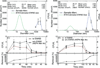
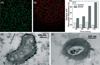
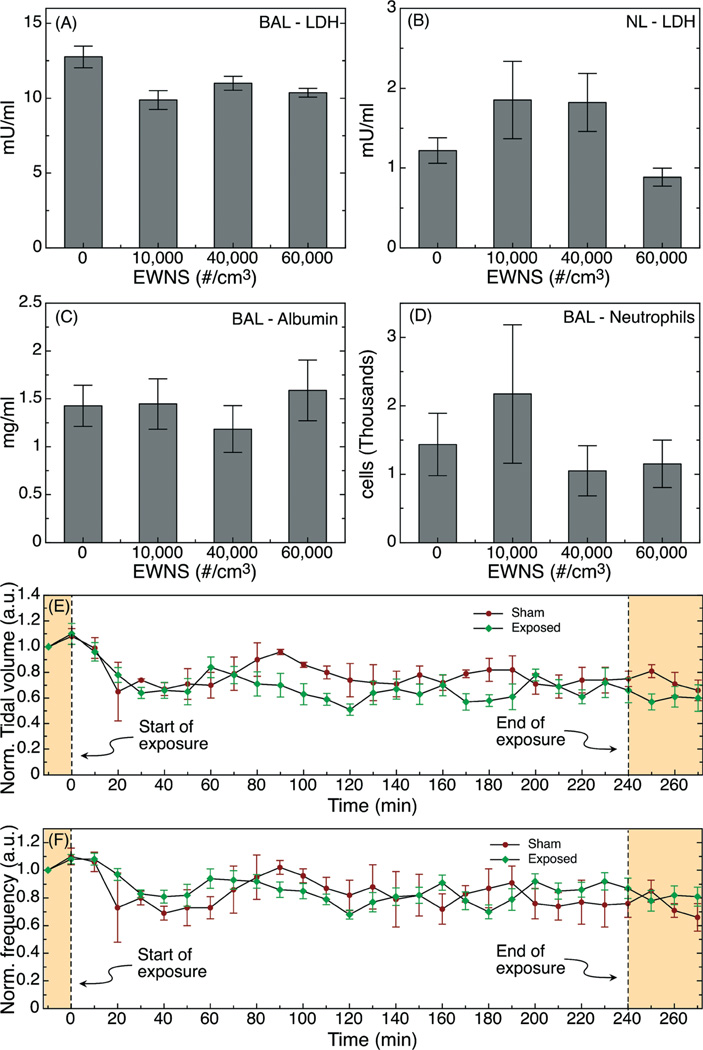
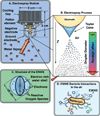
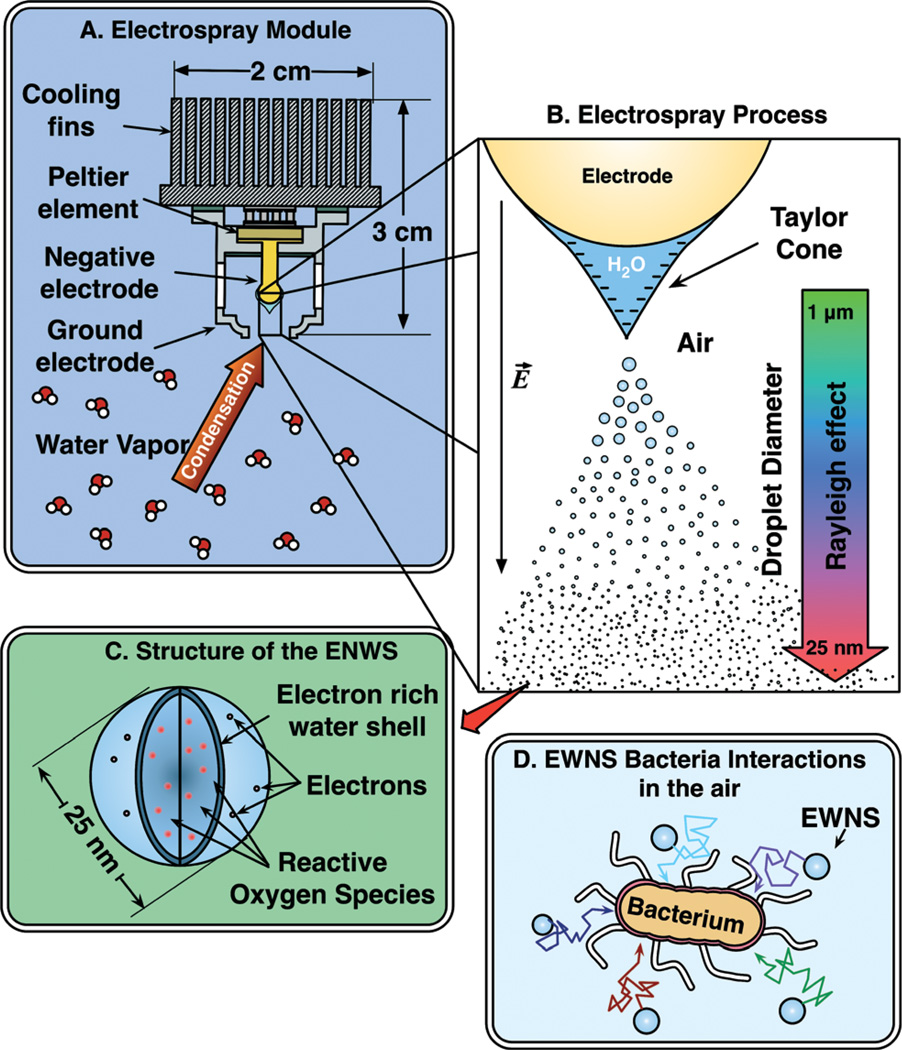
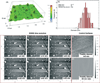
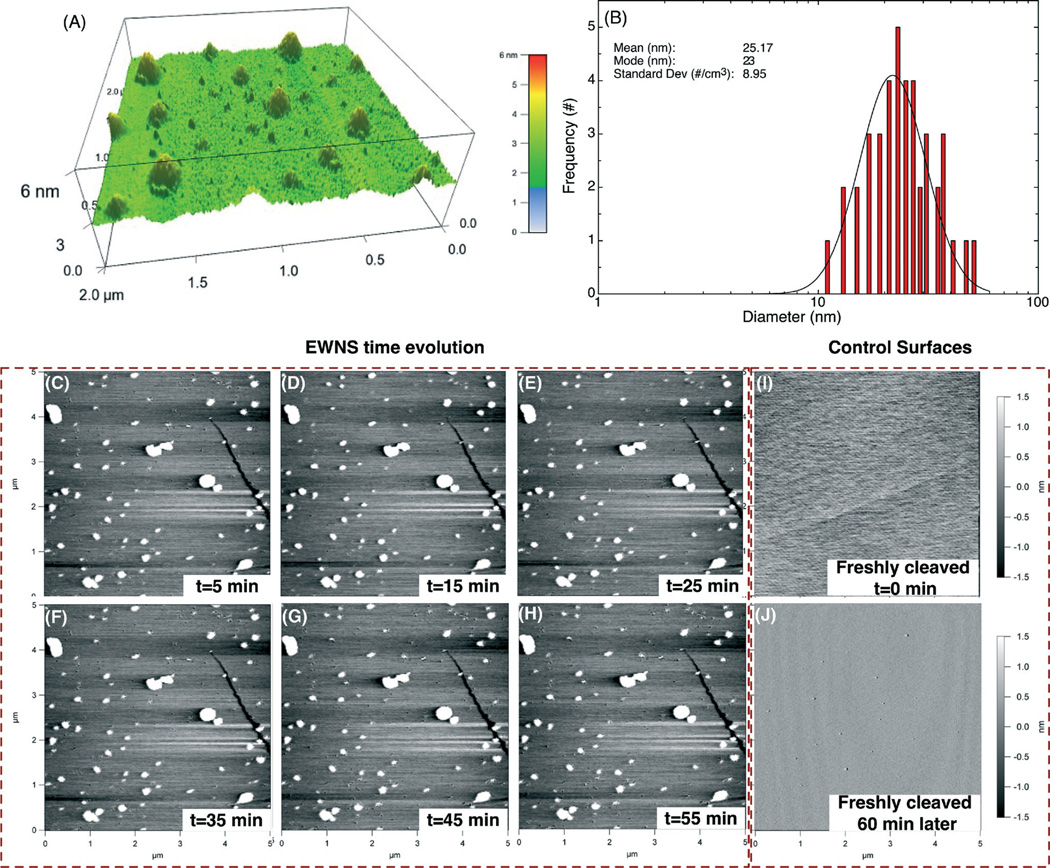
Description:Airborne pathogens are associated with the spread of infectious diseases and increased morbidity and mortality. Herein we present an emerging chemical free, nanotechnology-based method for airborne pathogen inactivation. This technique is based on transforming atmospheric water vapor into Engineered Water Nano-Structures (EWNS) | electrospray. The generated EWNS possess a unique set of physical, chemical, morphological and biological properties. Their average size is 25 nm and they contain reactive oxygen species (ROS) such as hydroxyl and superoxide radicals. In addition, EWNS are highly electrically charged (10 electrons per particle on average). A link between their electric charge and the reduction of their evaporation rate was illustrated resulting in an extended lifetime (over an hour) at room conditions. Furthermore, it was clearly demonstrated that the EWNS have the ability to interact with and inactivate airborne bacteria. Finally, inhaled EWNS were found to have minimal toxicological effects, as illustrated in an acute | inhalation study using a mouse model. In conclusion, this novel, chemical free, nanotechnology-based method has the potential to be used in the battle against airborne infectious diseases.
-
Source:Environ Sci Nano. 2014; 2014(1):15-26
-
Pubmed ID:26180637
-
Pubmed Central ID:PMC4500755
-
Document Type:
-
Funding:
-
Volume:2014
-
Issue:1
-
Collection(s):
-
Main Document Checksum:urn:sha256:3f6627c4c17547878628e83029e74de5649c20a927f0eb09db652d78ddf3e0a8
-
Download URL:
-
File Type:
 [PDF
- 2.83 MB
]
[PDF
- 2.83 MB
]
Supporting Files


File Language:
English
ON THIS PAGE





CDC STACKS serves as an archival repository of CDC-published products including
scientific findings,
journal articles, guidelines, recommendations, or other public health information authored or
co-authored by CDC or funded partners.
As a repository, CDC STACKS retains documents in their original published format to ensure public access to scientific information.
As a repository, CDC STACKS retains documents in their original published format to ensure public access to scientific information.