


Examining the Interaction of Force and Repetition on Musculoskeletal Disorder Risk: A Systematic Literature Review
Supporting Files

-
2 2013
File Language:
English
Details
-
Alternative Title:Hum Factors
-
Personal Author:
-
Description:Objective
Our aims were (a) to perform a systematic literature review of epidemiological studies that examined the interaction of force and repetition with respect to musculoskeletal disorder (MSD) risk, (b) to assess the relationship of force and repetition in fatigue failure studies of musculoskeletal tissues, and (c) to synthesize these findings.
Background
Many epidemiological studies have examined the effects of force and repetition on MSD risk; however, relatively few have examined the interaction between these risk factors.
Method
In a literature search, we identified 12 studies that allowed evaluation of a force−repetition interaction with respect to MSD risk. Identified studies were subjected to a methodological quality assessment and critical review. We evaluated laboratory studies of fatigue failure to examine tissue failure responses to force and repetition.
Results
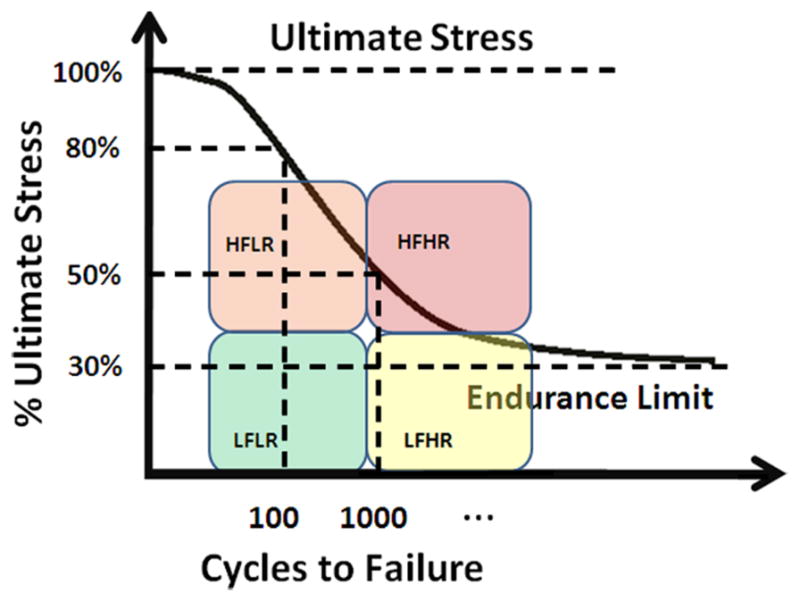
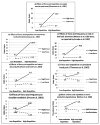
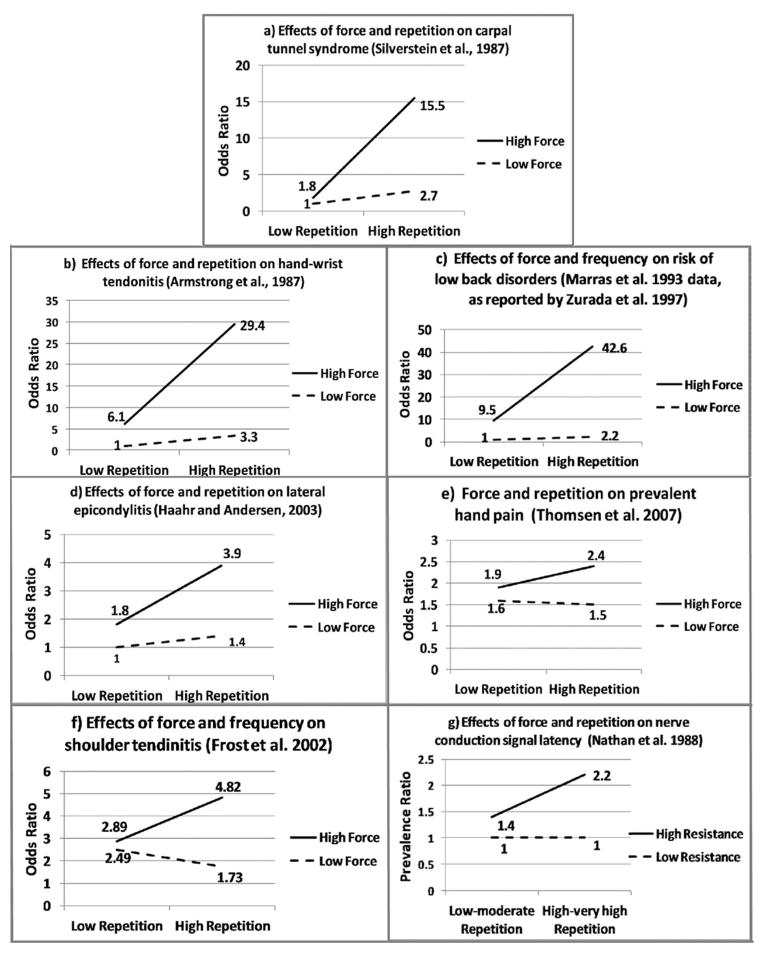
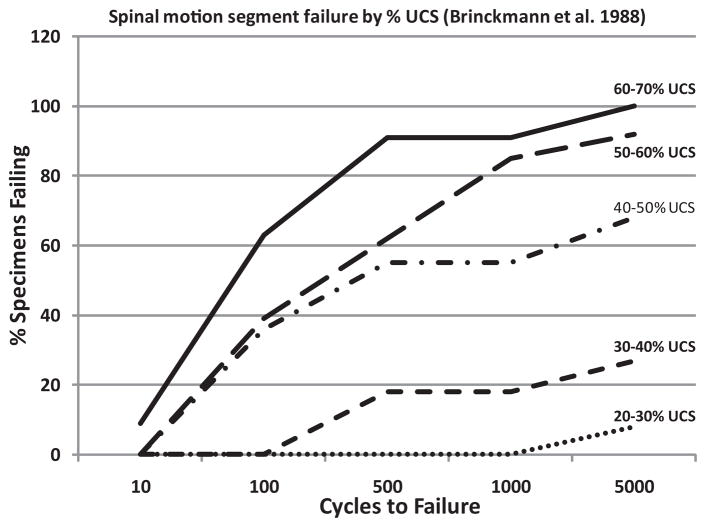
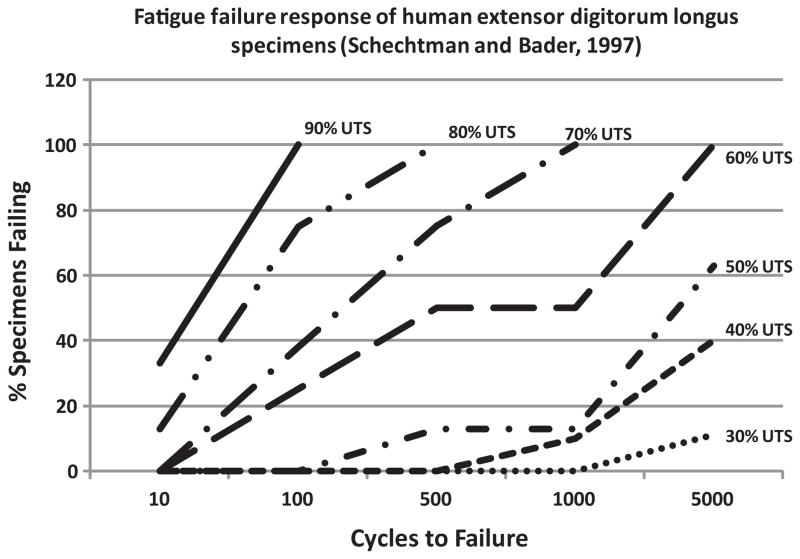
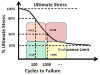
Of the 12 epidemiological studies that tested a Force × Repetition interaction, 10 reported evidence of interaction. Based on these results, the suggestion is made that force and repetition may be interdependent in terms of their influence on MSD risk. Fatigue failure studies of musculoskeletal tissues show a pattern of failure that mirrors the MSD risk observed in epidemiological studies.
Conclusions
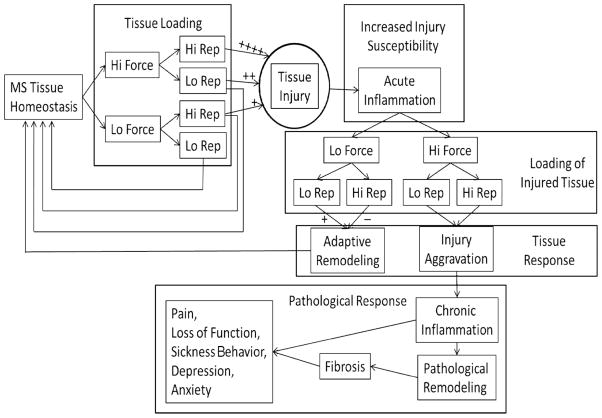
Evidence suggests that there may be interdependence between force and repetition with respect to MSD risk. Repetition seems to result in modest increases in risk for low−force tasks but rapid increases in risk for high−force tasks. This interaction may be representative of a fatigue failure process in affected tissues.
-
Keywords:
-
Source:Hum Factors. 2012; 55(1):108-124
-
Pubmed ID:23516797
-
Pubmed Central ID:PMC4495348
-
Document Type:
-
Funding:
-
Volume:55
-
Issue:1
-
Collection(s):
-
Main Document Checksum:urn:sha256:b07f278bbe5c514659c0b09765fb9af5290fc27cd8ac823c86d34ac4d35ce83b
-
Download URL:
-
File Type:
 [PDF
- 1.06 MB
]
[PDF
- 1.06 MB
]
Supporting Files


File Language:
English
ON THIS PAGE


CDC STACKS serves as an archival repository of CDC-published products including
scientific findings,
journal articles, guidelines, recommendations, or other public health information authored or
co-authored by CDC or funded partners.
As a repository, CDC STACKS retains documents in their original published format to ensure public access to scientific information.
As a repository, CDC STACKS retains documents in their original published format to ensure public access to scientific information.
You May Also Like
COLLECTION
CDC Public Access