


Apical Membrane Localization of the Adenomatous Polyposis Coli Tumor Suppressor Protein and Subcellular Distribution of the β-Catenin Destruction Complex in Polarized Epithelial Cells
Supporting Files

-
Feb 5 2001
File Language:
English
Details
-
Alternative Title:J Cell Biol
-
Personal Author:
-
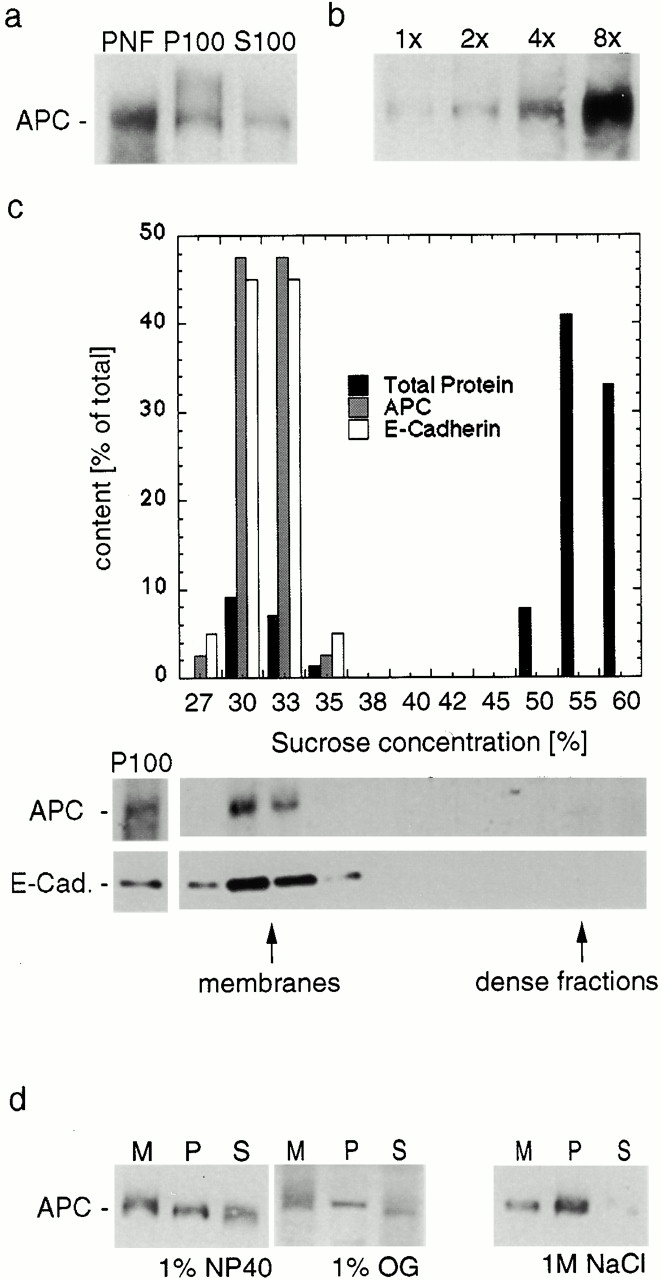
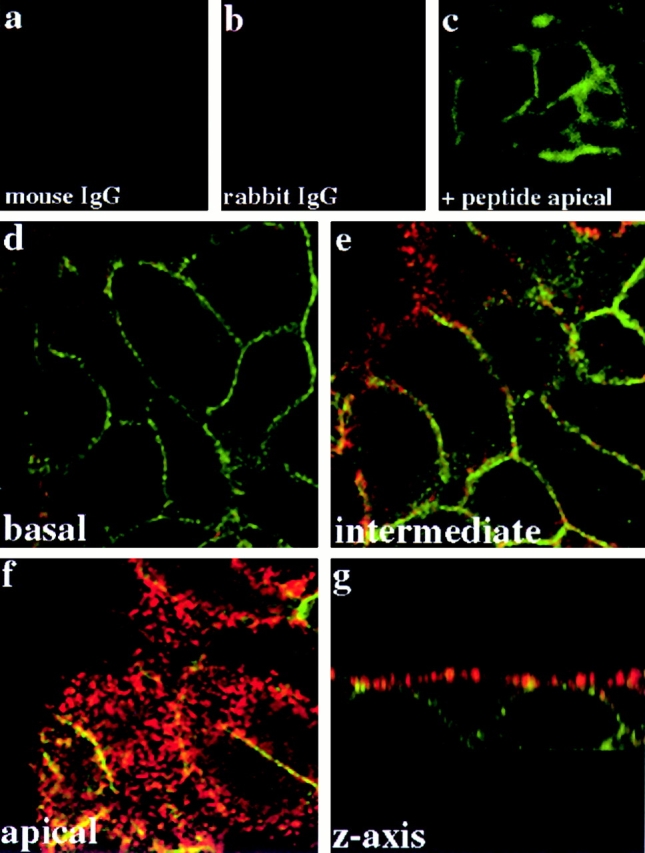
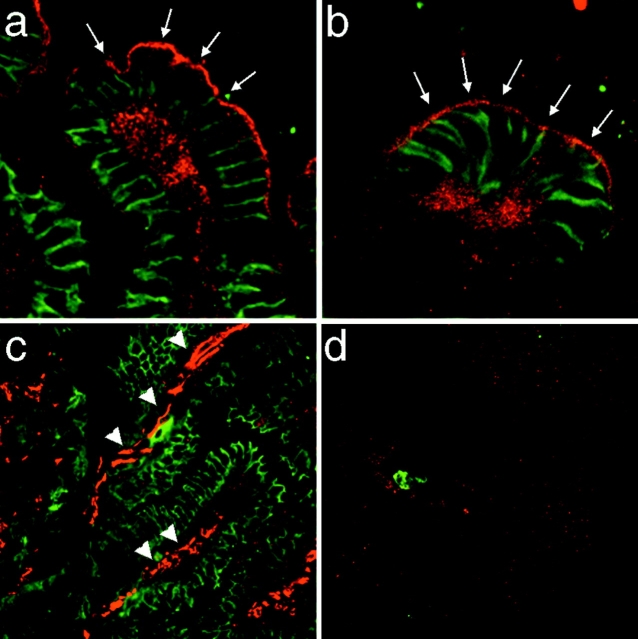
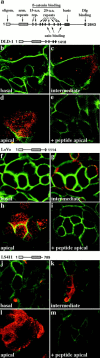
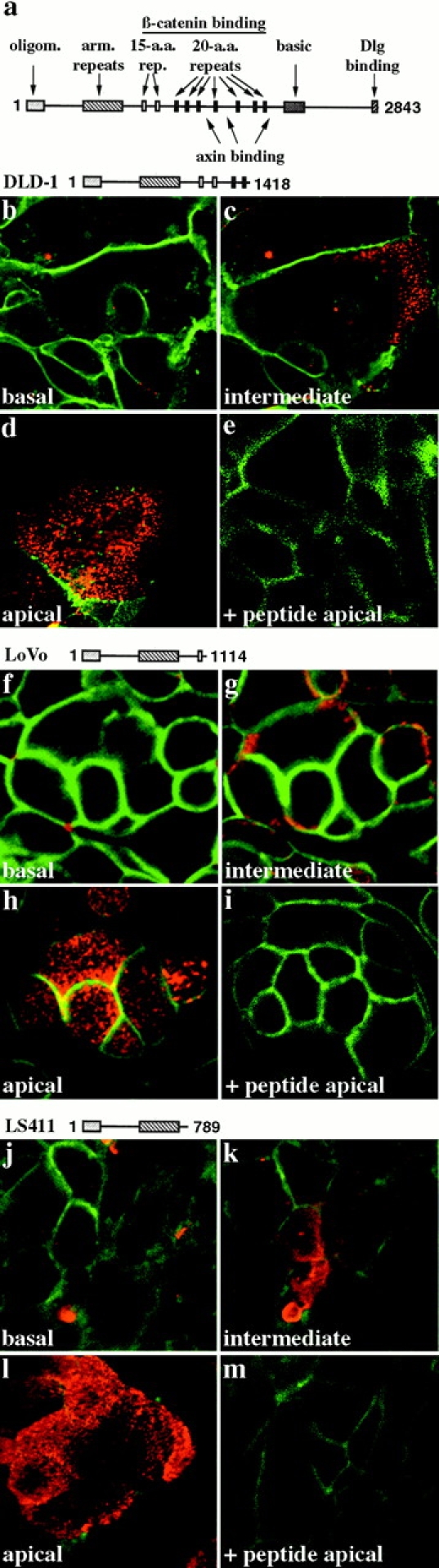
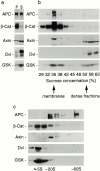
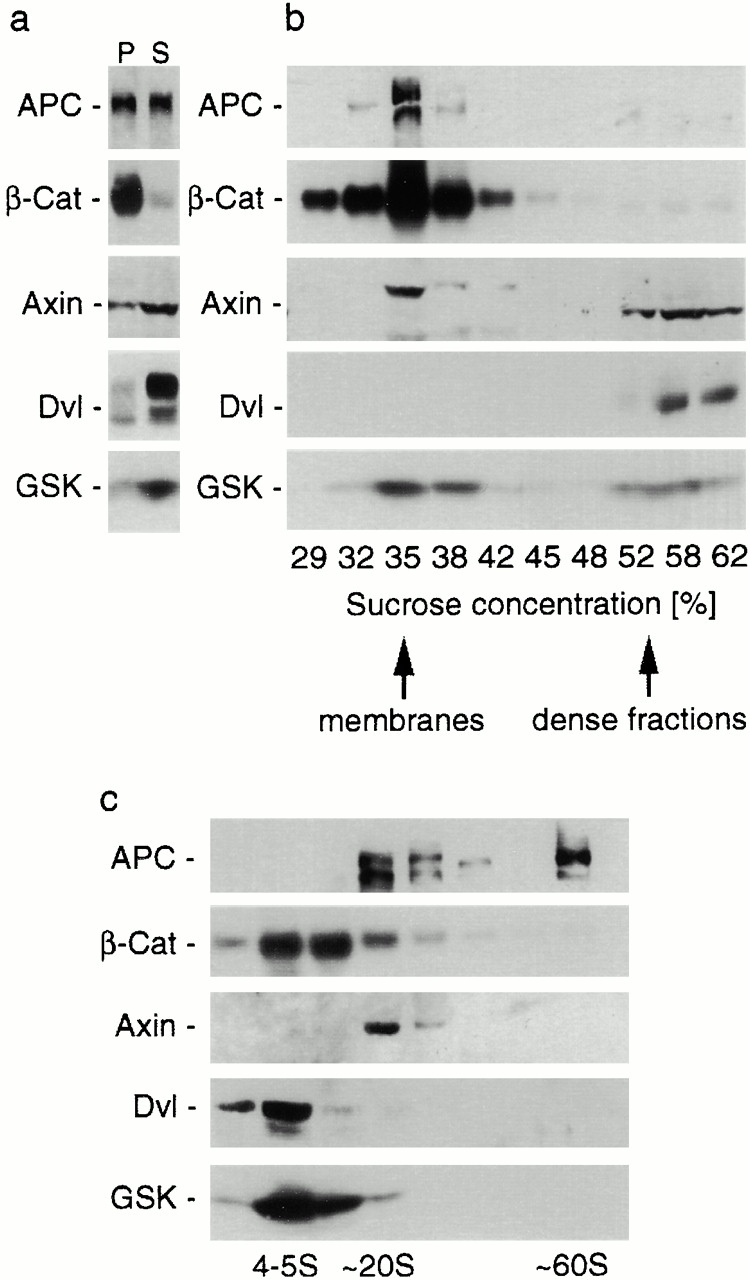
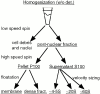
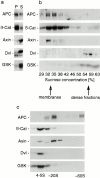
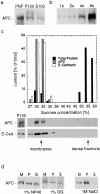
Description:The adenomatous polyposis coli (APC) protein is implicated in the majority of hereditary and sporadic colon cancers. APC is known to function as a tumor suppressor through downregulation of beta-catenin as part of a high molecular weight complex known as the beta-catenin destruction complex. The molecular composition of the intact complex and its site of action in the cell are still not well understood. Reports on the subcellular localization of APC in various cell systems have differed significantly and have been consistent with an association with a cytosolic complex, with microtubules, with the nucleus, or with the cortical actin cytoskeleton. To better understand the role of APC and the destruction complex in colorectal cancer, we have begun to characterize and isolate these complexes from confluent polarized human colon epithelial cell monolayers and other epithelial cell types. Subcellular fractionation and immunofluorescence microscopy reveal that a predominant fraction of APC associates tightly with the apical plasma membrane in a variety of epithelial cell types. This apical membrane association is not dependent on the mutational status of either APC or beta-catenin. An additional pool of APC is cytosolic and fractionates into two distinct high molecular weight complexes, 20S and 60S in size. Only the 20S fraction contains an appreciable portion of the cellular axin and small but detectable amounts of glycogen synthase kinase 3beta and beta-catenin. Therefore, it is likely to correspond to the previously characterized beta-catenin destruction complex. Dishevelled is almost entirely cytosolic, but does not significantly cofractionate with the 20S complex. The disproportionate amount of APC in the apical membrane and the lack of other destruction complex components in the 60S fraction of APC raise questions about whether these pools of APC take part in the degradation of beta-catenin, or alternatively, whether they could be involved in other functions of the protein that still must be determined.
-
Subjects:
-
Source:J Cell Biol. 2001; 152(3):491-502.
-
Pubmed ID:11157977
-
Pubmed Central ID:PMC2196003
-
Document Type:
-
Funding:
-
Volume:152
-
Issue:3
-
Collection(s):
-
Main Document Checksum:urn:sha256:e840ce90b4cf1694da6664ecca872f40ee562dde73f0914b2fe59ff3ce4793cb
-
Download URL:
-
File Type:
 [PDF
- 585.74 KB
]
[PDF
- 585.74 KB
]
Supporting Files


File Language:
English
ON THIS PAGE






CDC STACKS serves as an archival repository of CDC-published products including
scientific findings,
journal articles, guidelines, recommendations, or other public health information authored or
co-authored by CDC or funded partners.
As a repository, CDC STACKS retains documents in their original published format to ensure public access to scientific information.
As a repository, CDC STACKS retains documents in their original published format to ensure public access to scientific information.
You May Also Like
COLLECTION
CDC Public Access