


Classifying Lower Extremity Muscle Fatigue during Walking using Machine Learning and Inertial Sensors
Supporting Files

-
3 2014
File Language:
English
Details
-
Alternative Title:Ann Biomed Eng
-
Personal Author:
-
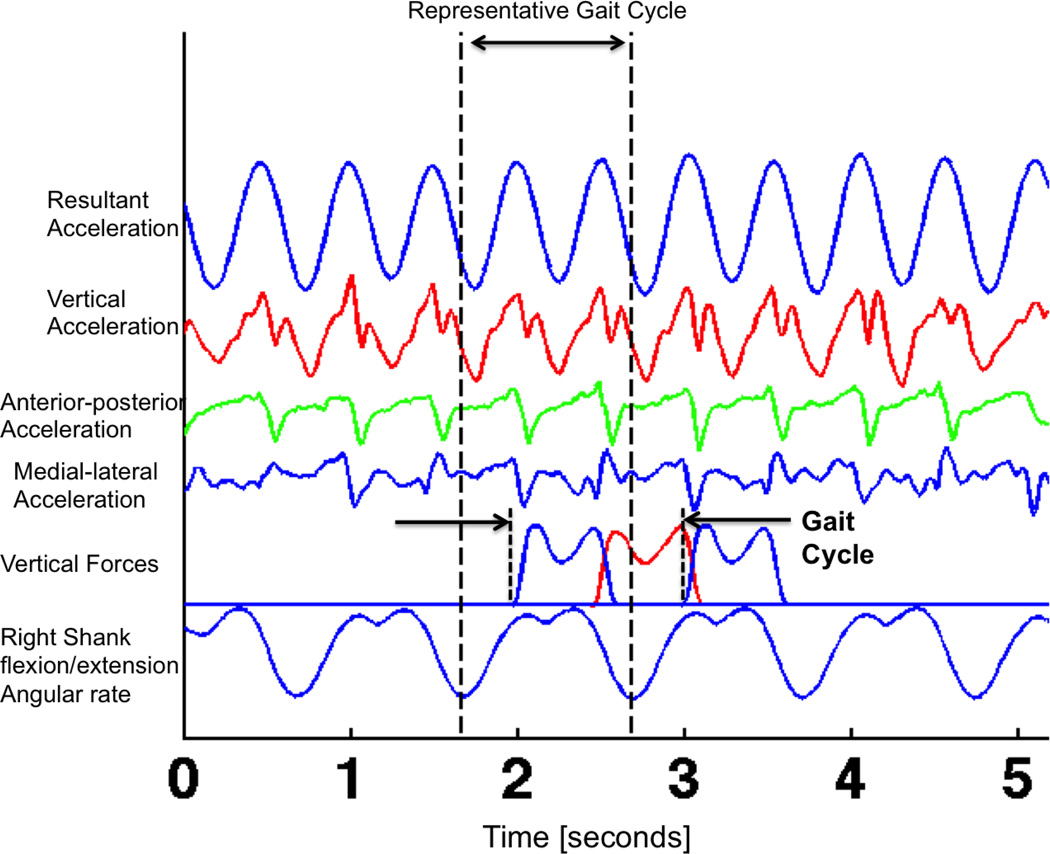
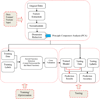
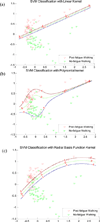
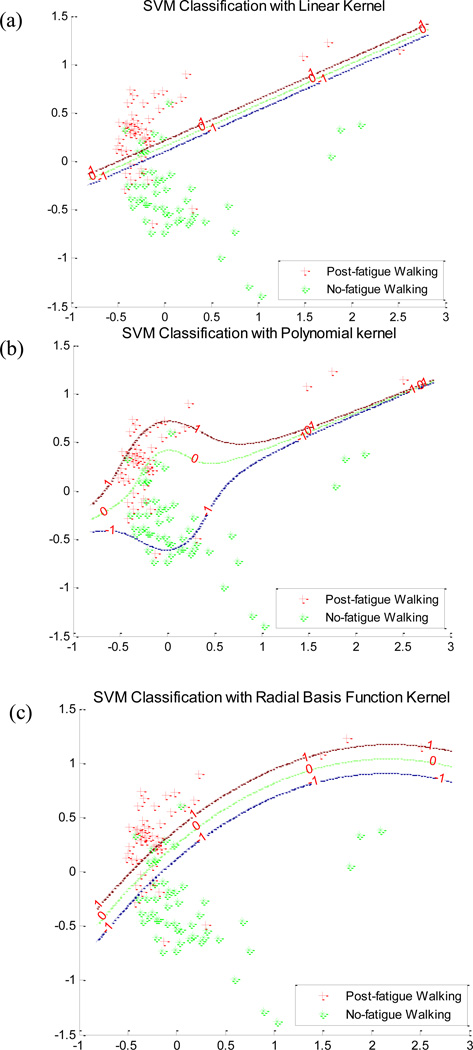
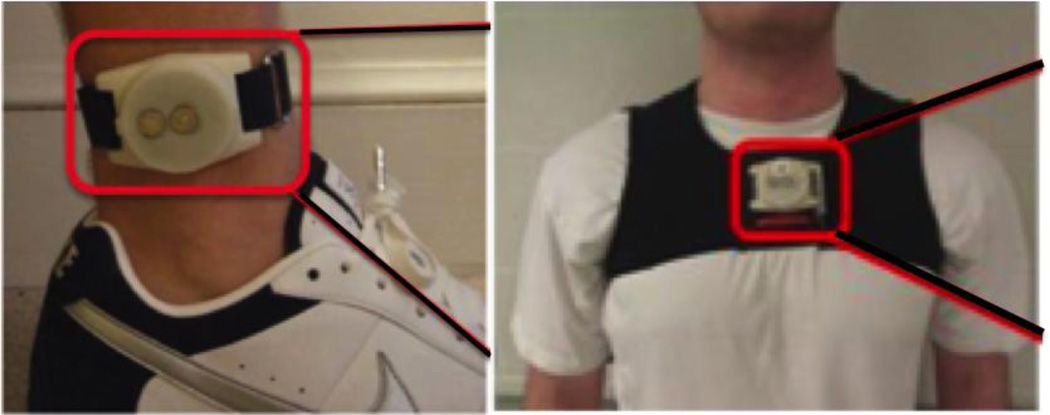
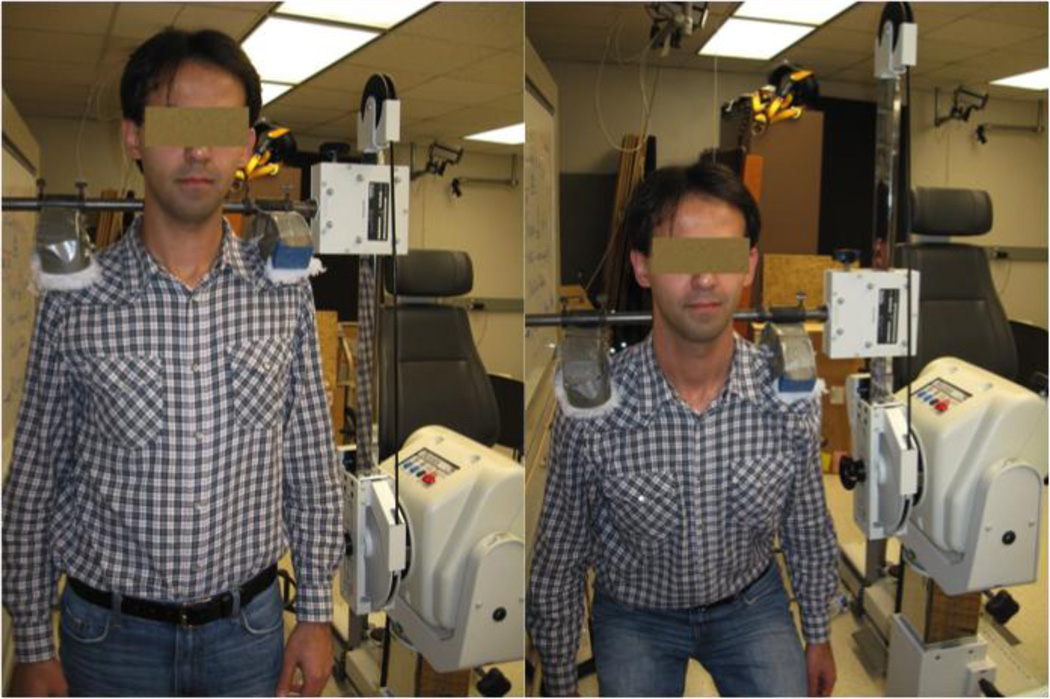
Description:Fatigue in lower extremity musculature is associated with decline in postural stability, motor performance and alters normal walking patterns in human subjects. Automated recognition of lower extremity muscle fatigue condition may be advantageous in early detection of fall and injury risks. Supervised machine learning methods such as support vector machines (SVMs) have been previously used for classifying healthy and pathological gait patterns and also for separating old and young gait patterns. In this study we explore the classification potential of SVM in recognition of gait patterns utilizing an inertial measurement unit associated with lower extremity muscular fatigue. Both kinematic and kinetic gait patterns of 17 participants (29 ± 11 years) were recorded and analyzed in normal and fatigued state of walking. Lower extremities were fatigued by performance of a squatting exercise until the participants reached 60% of their baseline maximal voluntary exertion level. Feature selection methods were used to classify fatigue and no-fatigue conditions based on temporal and frequency information of the signals. Additionally, influences of three different kernel schemes (i.e., linear, polynomial, and radial basis function) were investigated for SVM classification. The results indicated that lower extremity muscle fatigue condition influenced gait and loading responses. In terms of the SVM classification results, an accuracy of 96% was reached in distinguishing the two gait patterns (fatigue and no-fatigue) within the same subject using the kinematic, time and frequency domain features. It is also found that linear kernel and RBF kernel were equally good to identify intra-individual fatigue characteristics. These results suggest that intra-subject fatigue classification using gait patterns from an inertial sensor holds considerable potential in identifying "at-risk" gait due to muscle fatigue.
-
Subjects:
-
Source:Ann Biomed Eng. 42(3):600-612
-
Pubmed ID:24081829
-
Pubmed Central ID:PMC3943497
-
Document Type:
-
Funding:
-
Volume:42
-
Issue:3
-
Collection(s):
-
Main Document Checksum:urn:sha256:d9757e12adadfffebb4f95994be93f38fedcbe1e6b43d47bfd50613aea13ba44
-
Download URL:
-
File Type:
 [PDF
- 1.82 MB
]
[PDF
- 1.82 MB
]
Supporting Files


File Language:
English
ON THIS PAGE






CDC STACKS serves as an archival repository of CDC-published products including
scientific findings,
journal articles, guidelines, recommendations, or other public health information authored or
co-authored by CDC or funded partners.
As a repository, CDC STACKS retains documents in their original published format to ensure public access to scientific information.
As a repository, CDC STACKS retains documents in their original published format to ensure public access to scientific information.
You May Also Like
COLLECTION
CDC Public Access