


A Novel Use of Structural Equation Models to Examine Factors Associated With Prediabetes Among Adults Aged 50 Years and Older
Supporting Files
Public Domain

-
May 06 2013
Details
-
Alternative Title:Diabetes Care
-
Personal Author:
-
Description:OBJECTIVE
To use structural modeling to test a hypothesized model of causal pathways related with prediabetes among older adults in the U.S.
RESEARCH DESIGN AND METHODS
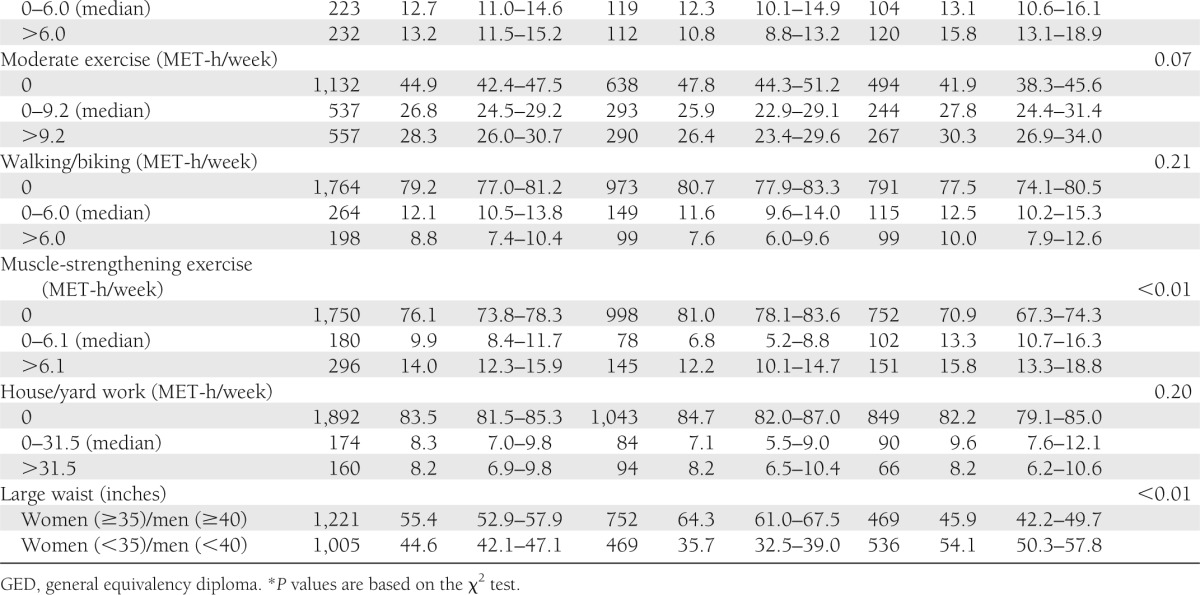
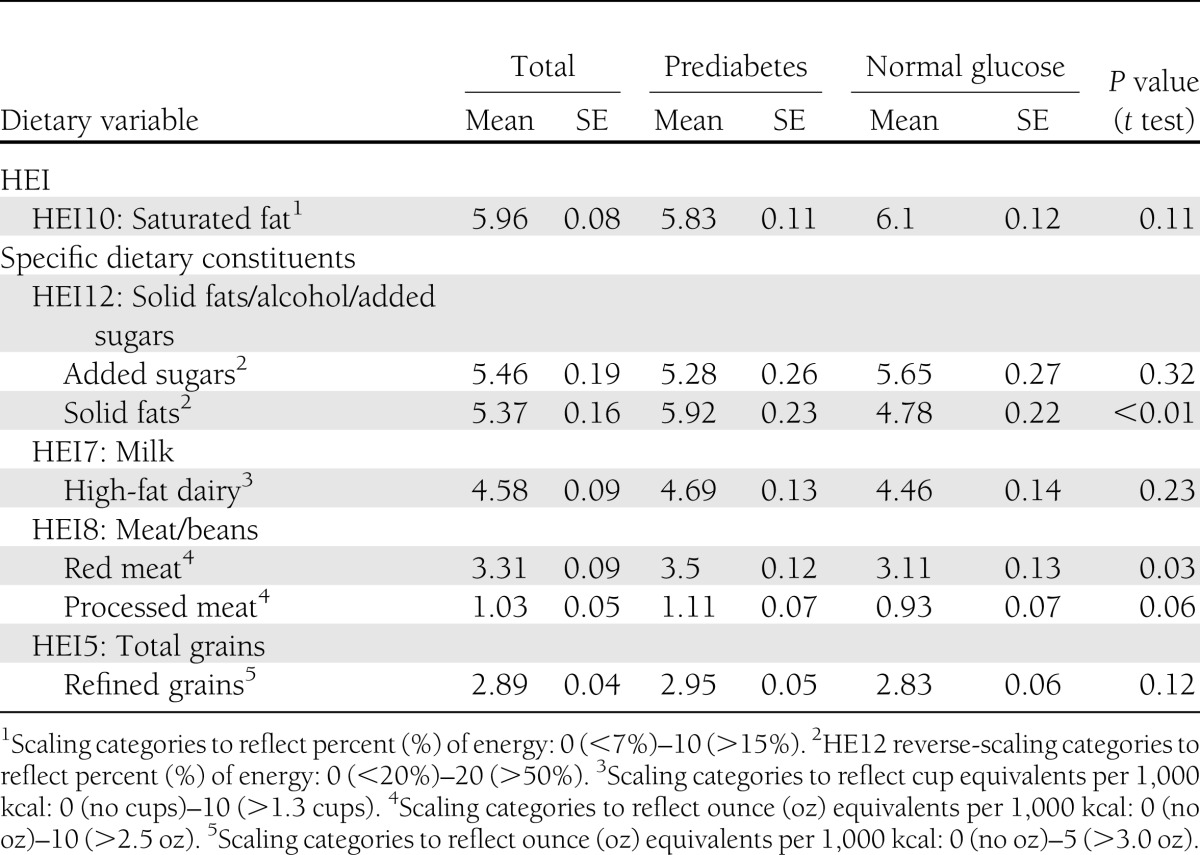
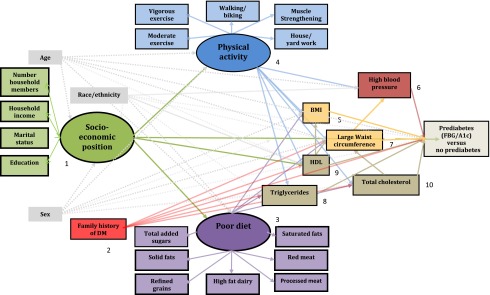
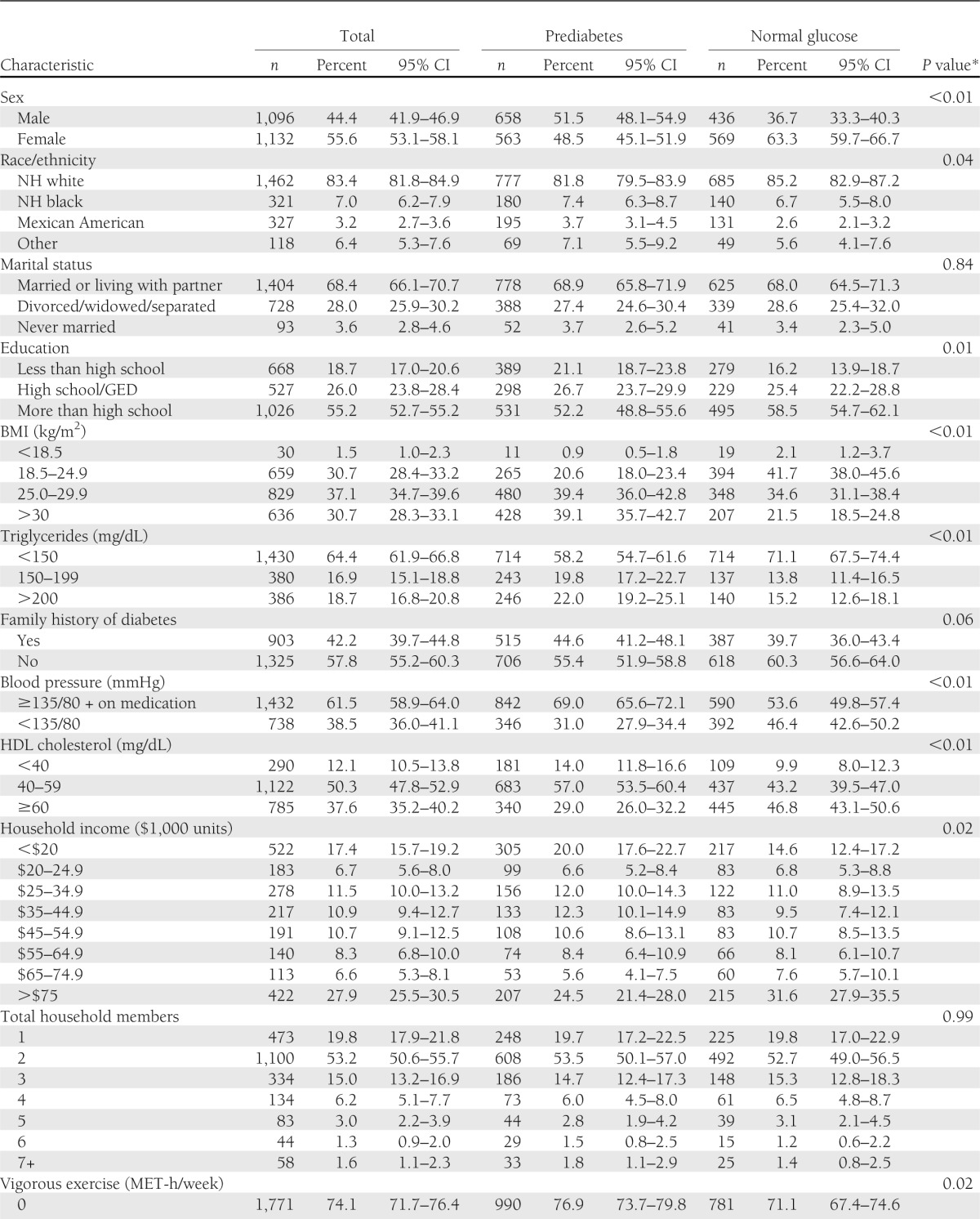
Cross-sectional study of 2,230 older adults (≥50 years) without diabetes included in the morning fasting sample of the 2001–2006 National Health and Nutrition Examination Surveys. Demographic data included age, income, marital status, race/ethnicity, and education. Behavioral data included physical activity (metabolic equivalent hours per week for vigorous or moderate muscle strengthening, walking/biking, and house/yard work), and poor diet (refined grains, red meat, added sugars, solid fats, and high-fat dairy). Structural-equation modeling was performed to examine the interrelationships among these variables with family history of diabetes, high blood pressure, BMI, large waist (waist circumference: women, ≥35 inches; men, ≥40 inches), triglycerides ≥200 mg/dL, and total and HDL (≥60 mg/dL) cholesterol.
RESULTS
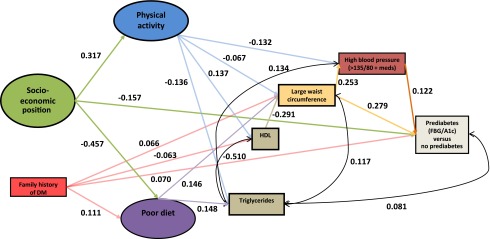
After dropping BMI and total cholesterol, our best-fit model included three single factors: socioeconomic position (SEP), physical activity, and poor diet. Large waist had the strongest direct effect on prediabetes (0.279), followed by male sex (0.270), SEP (−0.157), high blood pressure (0.122), family history of diabetes (0.070), and age (0.033). Physical activity had direct effects on HDL (0.137), triglycerides (−0.136), high blood pressure (−0.132), and large waist (−0.067); poor diet had direct effects on large waist (0.146) and triglycerides (0.148).
CONCLUSIONS
Our results confirmed that, while including factors known to be associated with high risk of developing prediabetes, large waist circumference had the strongest direct effect. The direct effect of SEP on prediabetes suggests mediation by some unmeasured factor(s).
-
Subjects:
-
Source:Diabetes Care. 2013; 36(9):2655-2662.
-
Document Type:
-
Volume:36
-
Issue:9
-
Collection(s):
-
Main Document Checksum:urn:sha256:6f8f1a5e980b29c723ee2ca7c5f607f512b52e795822119714a3867c3dbe8674
-
Download URL:
-
File Type:
 [PDF
- 582.62 KB
]
[PDF
- 582.62 KB
]
Supporting Files


ON THIS PAGE



CDC STACKS serves as an archival repository of CDC-published products including
scientific findings,
journal articles, guidelines, recommendations, or other public health information authored or
co-authored by CDC or funded partners.
As a repository, CDC STACKS retains documents in their original published format to ensure public access to scientific information.
As a repository, CDC STACKS retains documents in their original published format to ensure public access to scientific information.
You May Also Like
COLLECTION
CDC Public Access