


Anti-malarial activity and toxicity assessment of Himatanthus articulatus, a plant used to treat malaria in the Brazilian Amazon
Supporting Files
Public Domain

-
Mar 27 2015
Details
-
Alternative Title:Malar J
-
Personal Author:
-
Description:Background
Plasmodium falciparum has become resistant to some of the available drugs. Several plant species are used for the treatment of malaria, such as Himatanthus articulatus in parts of Brazil. The present paper reports the phyto-chemistry, the anti-plasmodial and anti-malarial activity, as well as the toxicity of H. articulatus.
Methods
Ethanol and dichloromethane extracts were obtained from the powder of stem barks of H. articulatus and later fractionated and analysed. The anti-plasmodial activity was assessed against a chloroquine resistant strain P. falciparum (W2) in vitro, whilst in vivo anti-malarial activity against Plasmodium berghei (ANKA strain) was tested in mice, evaluating the role of oxidative stress (total antioxidant capacity - TEAC; lipid peroxidation – TBARS, and nitrites and nitrates - NN). In addition, cytotoxicity was evaluated using the HepG2 A16 cell-line. The acute oral and sub-chronic toxicity of the ethanol extract were evaluated in both male and female mice.
Results
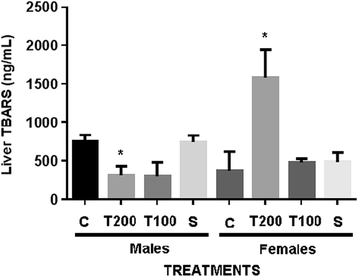
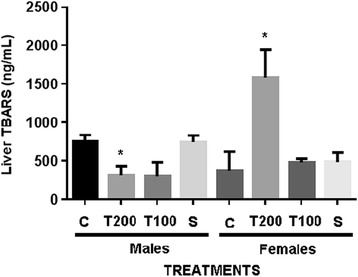
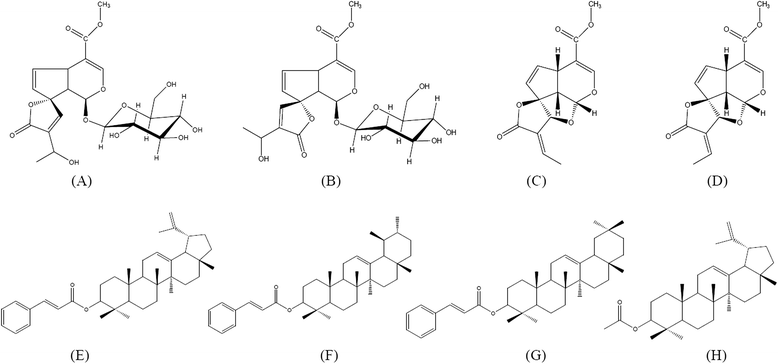
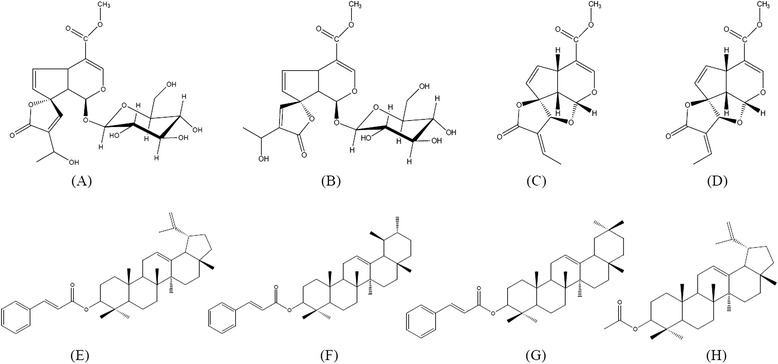
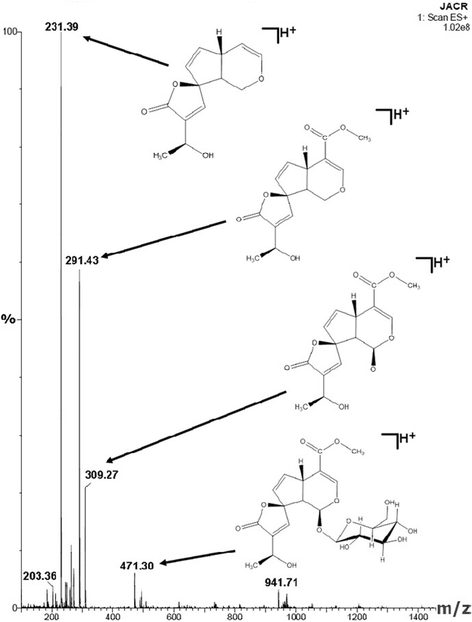
Plumieride was isolated from the ethyl acetate fraction of ethanol extract, Only the dichloromethane extract was active against clone W2. Nevertheless, both extracts reduced parasitaemia in P. berghei-infected mice. Besides, a significant reduction in pulmonary and cerebral levels of NN (nitrites and nitrates) was found, as well as in pulmonary TBARS, indicating a reduced oxidative damage to these organs. The ethanol extract showed low cytotoxicity to HepG2 A16 cells in the concentrations used. No significant changes were observed in the in vivo toxicity studies.
Conclusions
The ethanol extract of H. articulatus proved to be promising as anti-malarial medicine and showed low toxicity.
-
Subjects:
-
Source:Malar J. 14.
-
Document Type:
-
Volume:14
-
Collection(s):
-
Main Document Checksum:urn:sha256:5cc8eb061ef64cb9e83dd4c75f26e6abceda712b6555aeb0ef01143de13be59c
-
Download URL:
-
File Type:
 [PDF
- 1.01 MB
]
[PDF
- 1.01 MB
]
Supporting Files


ON THIS PAGE




CDC STACKS serves as an archival repository of CDC-published products including
scientific findings,
journal articles, guidelines, recommendations, or other public health information authored or
co-authored by CDC or funded partners.
As a repository, CDC STACKS retains documents in their original published format to ensure public access to scientific information.
As a repository, CDC STACKS retains documents in their original published format to ensure public access to scientific information.
You May Also Like
COLLECTION
CDC Public Access