


Evaluation of the Pulmonary Toxicity of a Fume Generated from a Nickel-, Copper-Based Electrode to be Used as a Substitute in Stainless Steel Welding
Supporting Files
Public Domain

-
Oct 15 2014
-
Details
-
Alternative Title:Environ Health Insights
-
Personal Author:
-
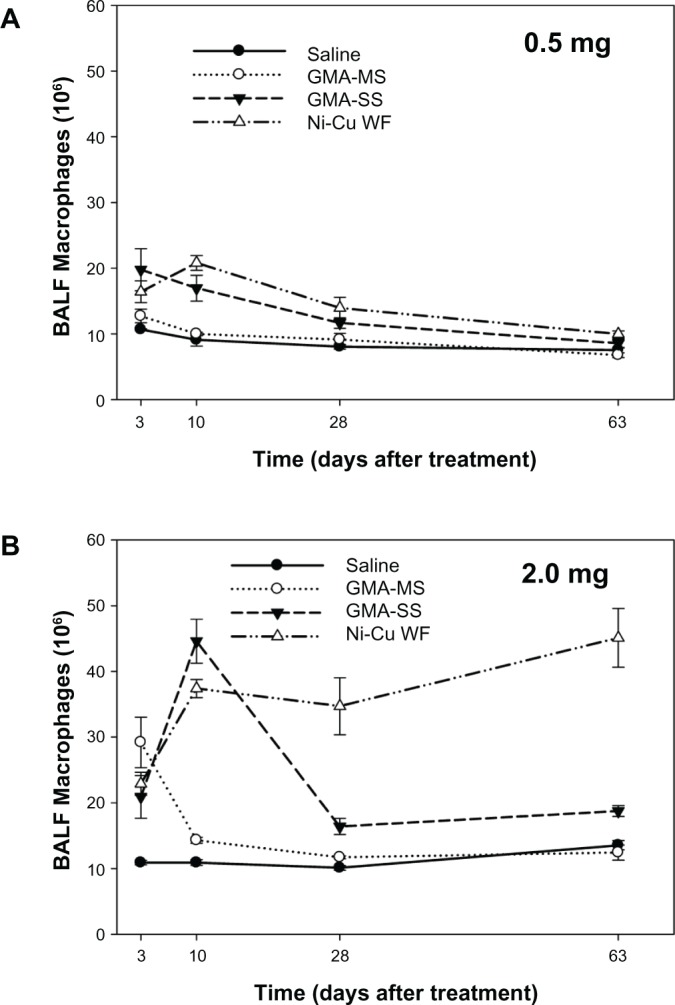
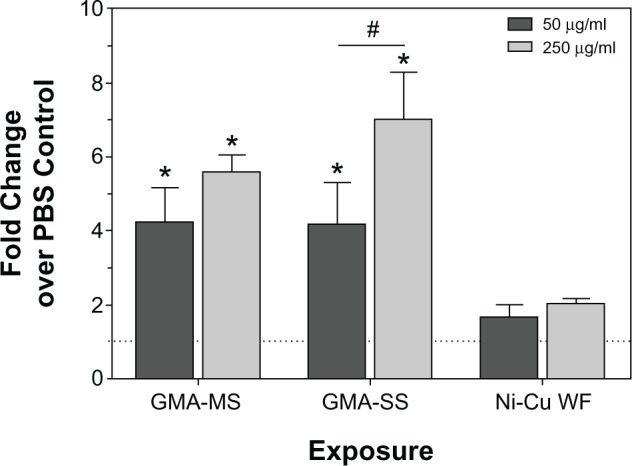
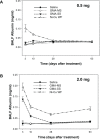
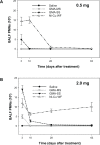
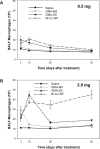
Description:Epidemiology has indicated a possible increase in lung cancer among stainless steel welders. Chromium (Cr) is a primary component of stainless steel welding fume. There is an initiative to develop alternative welding consumables [nickel (Ni)- and copper (Cu)-based alloys] that do not contain Cr. No study has been performed to evaluate the toxicity of fumes generated from Ni- and Cu-based consumables. Dose-response and time-course effects on lung toxicity of a Ni- and Cu-based welding fume (Ni-Cu WF) were examined using an in vivo and in vitro bioassay, and compared with two other well-characterized welding fumes. Even though only trace amounts of Cr were present, a persistent increase in lung injury and inflammation was observed for the Ni-Cu WF compared to the other fumes. The difference in response appears to be due to a direct cytotoxic effect by the Ni-Cu WF sample on lung macrophages as opposed to an elevated production of reactive oxygen species (ROS).
-
Subjects:
-
Source:Environ Health Insights. 2014; 8(Suppl 1):11-20.
-
Document Type:
-
Volume:8
-
Collection(s):
-
Main Document Checksum:urn:sha256:c85c180f1c7be429550274d74426ebfe9987b843840a6c0d646bbf5c5b8c565b
-
Download URL:
-
File Type:
 [PDF
- 870.67 KB
]
[PDF
- 870.67 KB
]
Supporting Files


ON THIS PAGE






CDC STACKS serves as an archival repository of CDC-published products including
scientific findings,
journal articles, guidelines, recommendations, or other public health information authored or
co-authored by CDC or funded partners.
As a repository, CDC STACKS retains documents in their original published format to ensure public access to scientific information.
As a repository, CDC STACKS retains documents in their original published format to ensure public access to scientific information.
You May Also Like
COLLECTION
CDC Public Access