



Fatal Outbreak from Consuming Xanthium strumarium Seedlings during Time of Food Scarcity in Northeastern Bangladesh
Supporting Files

-
-
By Show All

-
File Language:
English
Details
-
Alternative Title:PLoS One
-
Description:Background
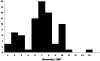
An outbreak characterized by vomiting and rapid progression to unconsciousness and death was reported in Sylhet Distrct in northeastern Bangladesh following destructive monsoon floods in November 2007.
Methods and Findings
We identified cases presenting to local hospitals and described their clinical signs and symptoms. We interviewed patients and their families to collect illness histories and generate hypotheses about exposures associated with disease. An epidemiological study was conducted in two outbreak villages to investigate risk factors for developing illness. 76 patients were identified from 9 villages; 25% (19/76) died. Common presenting symptoms included vomiting, elevated liver enzymes, and altered mental status. In-depth interviews with 33 cases revealed that 31 (94%) had consumed ghagra shak, an uncultivated plant, in the hours before illness onset. Ghagra shak was consumed as a main meal by villagers due to inaccessibility of other foods following destructive monsoon flooding and rises in global food prices. Persons who ate this plant were 34.2 times more likely (95% CI 10.2 to 115.8, p-value<0.000) than others to develop vomiting and unconsciousness during the outbreak in our multivariate model. Ghagra shak is the local name for Xanthium strumarium, or common cocklebur.
Conclusions
The consumption of Xanthium strumarium seedlings in large quantities, due to inaccessibility of other foods, caused this outbreak. The toxic chemical in the plant, carboxyatratyloside, has been previously described and eating X. strumarium seeds and seedlings has been associated with fatalities in humans and livestock. Unless people are able to meet their nutritional requirements with safe foods, they will continue to be at risk for poor health outcomes beyond undernutrition. -
Subjects:
-
Pubmed ID:20305785
-
Pubmed Central ID:PMC2841199
-
Document Type:
-
Funding:
-
Place as Subject:
-
Volume:5
-
Issue:3
-
Download URL:
-
File Type:
 [PDF - 221.63 KB]
-
Collection(s):
-
Main Document Checksum:urn:sha256:74109deed32145f75ec4e6dd88df225b203ee0b07dbdda0325db9f2aa291374c
Supporting Files


File Language:
English
 Was this page helpful?
 Found an issue?




CDC STACKS serves as an archival repository of CDC-published products including
scientific findings, journal articles, guidelines, recommendations, or other public health information authored or
co-authored by CDC or funded partners.
As a repository, CDC STACKS retains documents in their original published format to ensure public access to scientific information.
As a repository, CDC STACKS retains documents in their original published format to ensure public access to scientific information.
You May Also Like
COLLECTION
CDC Public Access