



Voluntary Running in Young Adult Mice Reduces Anxiety-Like Behavior and Increases the Accumulation of Bioactive Lipids in the Cerebral Cortex
Supporting Files

-
-
By Show All

-
File Language:
English
Details
-
Alternative Title:PLoS One
-
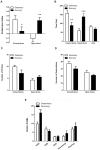
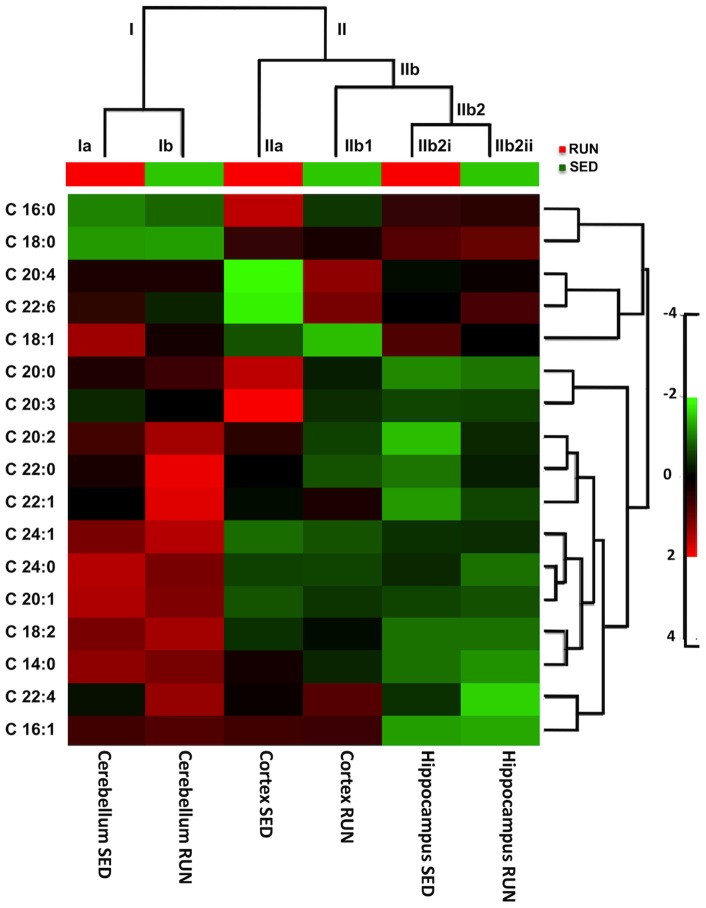
Description:Combinatorial therapies using voluntary exercise and diet supplementation with polyunsaturated fatty acids have synergistic effects benefiting brain function and behavior. Here, we assessed the effects of voluntary exercise on anxiety-like behavior and on total FA accumulation within three brain regions: cortex, hippocampus, and cerebellum of running versus sedentary young adult male C57/BL6J mice. The running group was subjected to one month of voluntary exercise in their home cages, while the sedentary group was kept in their home cages without access to a running wheel. Elevated plus maze (EPM), several behavioral postures and two risk assessment behaviors (RABs) were then measured in both animal groups followed immediately by blood samplings for assessment of corticosterone levels. Brains were then dissected for non-targeted lipidomic analysis of selected brain regions using gas chromatography coupled to mass spectrometry (GC/MS). Results showed that mice in the running group, when examined in the EPM, displayed significantly lower anxiety-like behavior, higher exploratory and risky behaviors, compared to sedentary mice. Notably, we found no differences in blood corticosterone levels between the two groups, suggesting that the different EPM and RAB behaviors were not related to reduced physiological stress in the running mice. Lipidomics analysis revealed a region-specific cortical decrease of the saturated FA: palmitate (C16:0) and a concomitant increase of polyunsaturated FA, arachidonic acid (AA, omega 6-C20: 4) and docosahexaenoic acid (DHA, omega 3-C22: 6), in running mice compared to sedentary controls. Finally, we found that running mice, as opposed to sedentary animals, showed significantly enhanced cortical expression of phospholipase A2 (PLA2) protein, a signaling molecule required in the production of both AA and DHA. In summary, our data support the anxiolytic effects of exercise and provide insights into the molecular processes modulated by exercise that may lead to its beneficial effects on mood.
-
Subjects:
-
Pubmed ID:24349072
-
Pubmed Central ID:PMC3859495
-
Document Type:
-
Funding:
-
Volume:8
-
Issue:12
-
Download URL:
-
File Type:
 [PDF - 1.15 MB]
-
Collection(s):
-
Main Document Checksum:urn:sha256:6f3019921784fe1e124c96976151c14fab3f40a2fb141f1bbf0bad1f5da0d63e
Supporting Files


File Language:
English
 Was this page helpful?
 Found an issue?






CDC STACKS serves as an archival repository of CDC-published products including
scientific findings, journal articles, guidelines, recommendations, or other public health information authored or
co-authored by CDC or funded partners.
As a repository, CDC STACKS retains documents in their original published format to ensure public access to scientific information.
You May Also Like
COLLECTION
CDC Public Access