


Mycobacterium tuberculosis mutation rate estimates from different lineages predict substantial differences in the emergence of drug resistant tuberculosis
Supporting Files

-
Jun 09 2013
-
Details
-
Alternative Title:Nat Genet
-
Personal Author:
-
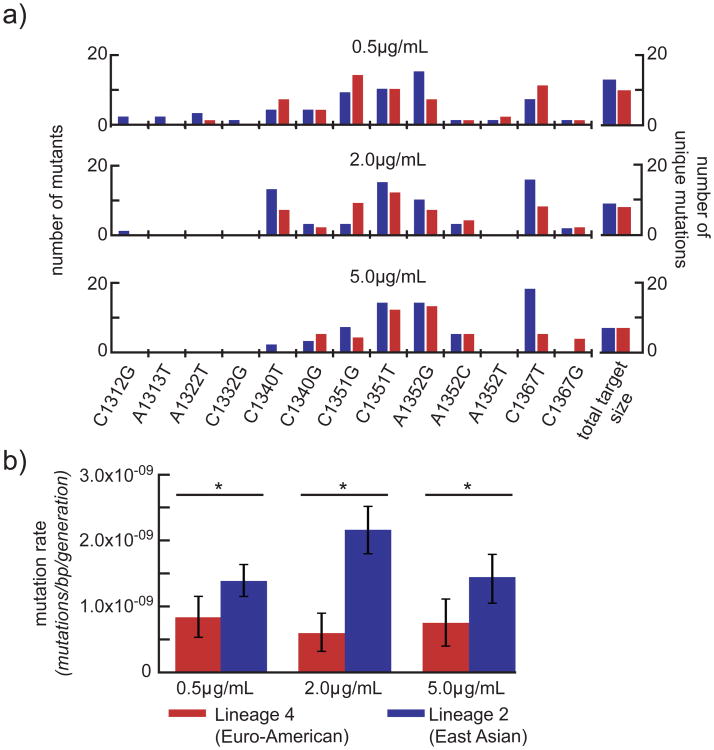
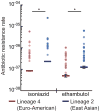
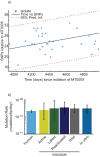
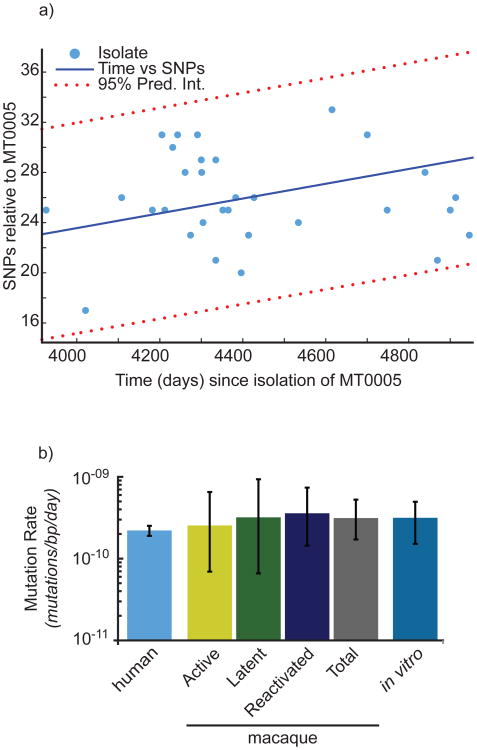
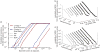
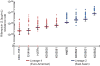
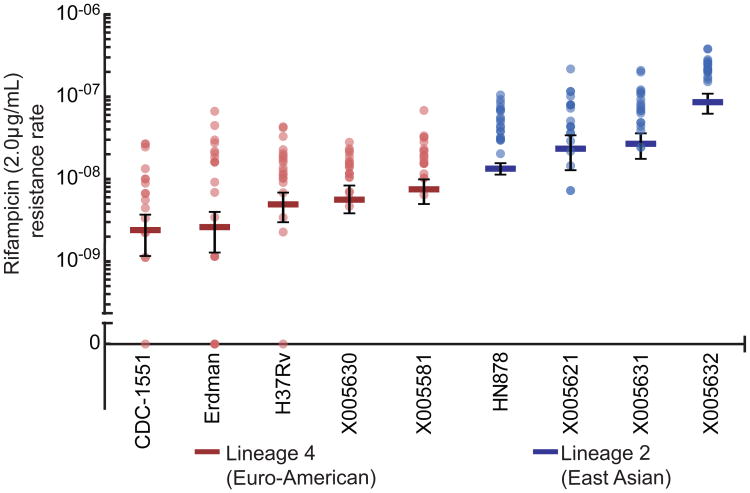
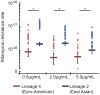
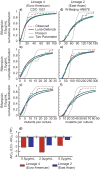
Description:A key question in tuberculosis control is why some strains of M. tuberculosis are preferentially associated with resistance to multiple drugs. We demonstrate that M. tuberculosis strains from lineage 2 (East Asian lineage and Beijing sublineage) acquire drug resistances in vitro more rapidly than M. tuberculosis strains from lineage 4 (Euro-American lineage) and that this higher rate can be attributed to a higher mutation rate. Moreover, the in vitro mutation rate correlates well with the bacterial mutation rate in humans as determined by whole-genome sequencing of clinical isolates. Finally, using a stochastic mathematical model, we demonstrate that the observed differences in mutation rate predict a substantially higher probability that patients infected with a drug-susceptible lineage 2 strain will harbor multidrug-resistant bacteria at the time of diagnosis. These data suggest that interventions to prevent the emergence of drug-resistant tuberculosis should target bacterial as well as treatment-related risk factors.
-
Subjects:
-
Source:Nat Genet. 45(7):784-790.
-
Pubmed ID:23749189
-
Pubmed Central ID:PMC3777616
-
Document Type:
-
Funding:1 U54 GM088558/GM/NIGMS NIH HHS/United States ; DP2 0D001378/DP/NCCDPHP CDC HHS/United States ; DP2 OD001378/OD/NIH HHS/United States ; T32 AI007638/AI/NIAID NIH HHS/United States ; U19 AI076217/AI/NIAID NIH HHS/United States ; U19 AI076217/AI/NIAID NIH HHS/United States ; U54 GM088558/GM/NIGMS NIH HHS/United States ; Howard Hughes Medical Institute/United States
-
Volume:45
-
Issue:7
-
Collection(s):
-
Main Document Checksum:urn:sha256:4fdf6e2243dff90dce46a99996c83f75848ee4f837683201845dfc1f86000597
-
Download URL:
-
File Type:
 [PDF
- 1.16 MB
]
[PDF
- 1.16 MB
]
Supporting Files


ON THIS PAGE






CDC STACKS serves as an archival repository of CDC-published products including
scientific findings,
journal articles, guidelines, recommendations, or other public health information authored or
co-authored by CDC or funded partners.
As a repository, CDC STACKS retains documents in their original published format to ensure public access to scientific information.
As a repository, CDC STACKS retains documents in their original published format to ensure public access to scientific information.
You May Also Like
COLLECTION
CDC Public Access