


Demographic and Clinical Predictors of Mortality from Highly Pathogenic Avian Influenza A (H5N1) Virus Infection: CART Analysis of International Cases
Supporting Files

-
Mar 25 2014
-
File Language:
English
Details
-
Alternative Title:PLoS One
-
Personal Author:
-
Description:Background
Human infections with highly pathogenic avian influenza (HPAI) A (H5N1) viruses have occurred in 15 countries, with high mortality to date. Determining risk factors for morbidity and mortality from HPAI H5N1 can inform preventive and therapeutic interventions.
Methods
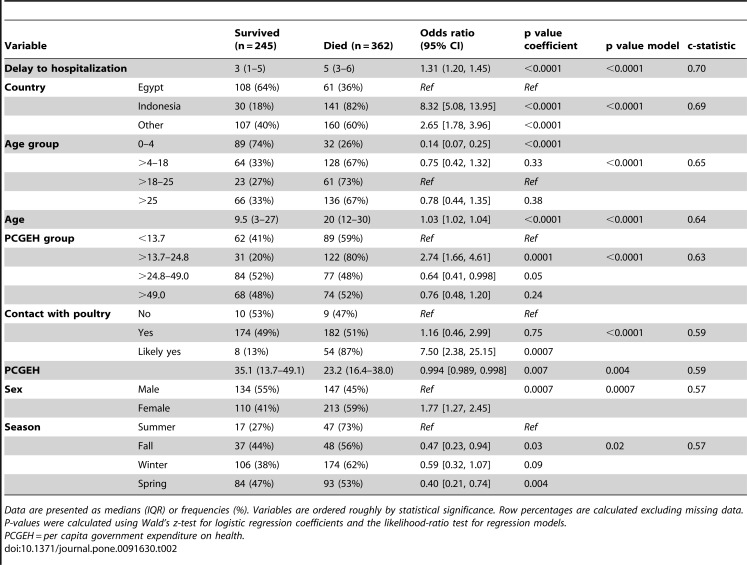
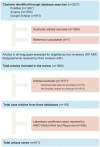
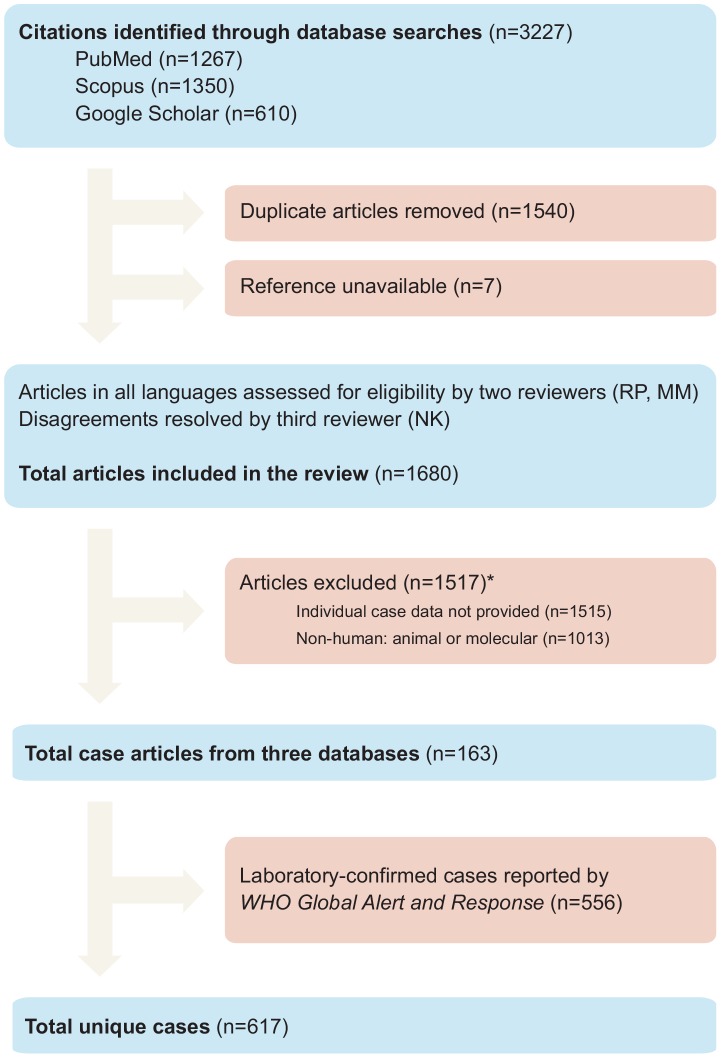
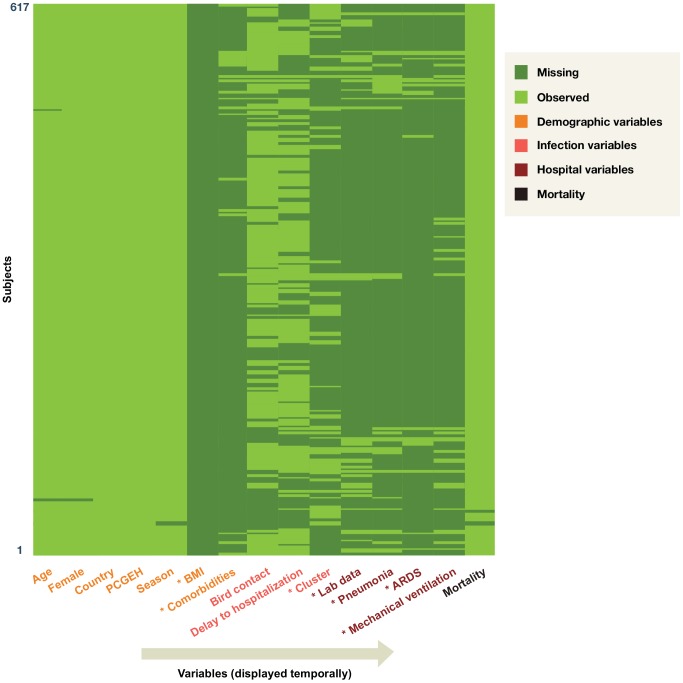
We included all cases of human HPAI H5N1 reported in World Health Organization Global Alert and Response updates and those identified through a systematic search of multiple databases (PubMed, Scopus, and Google Scholar), including articles in all languages. We abstracted predefined clinical and demographic predictors and mortality and used bivariate logistic regression analyses to examine the relationship of each candidate predictor with mortality. We developed and pruned a decision tree using nonparametric Classification and Regression Tree methods to create risk strata for mortality.
Findings
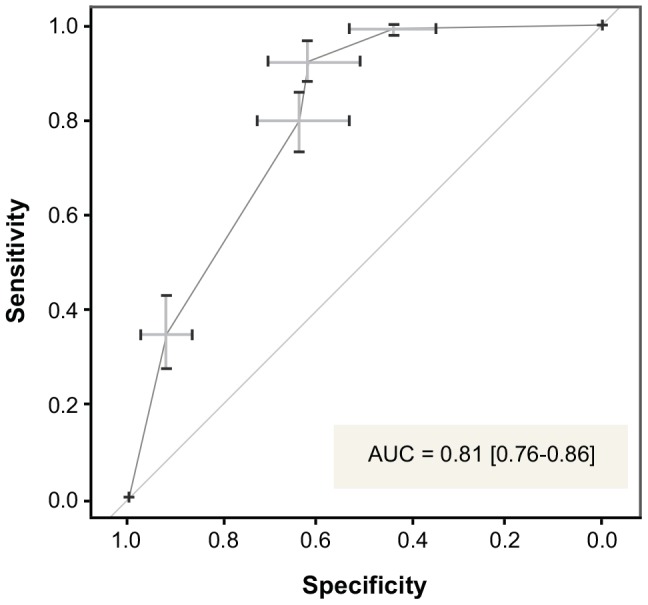
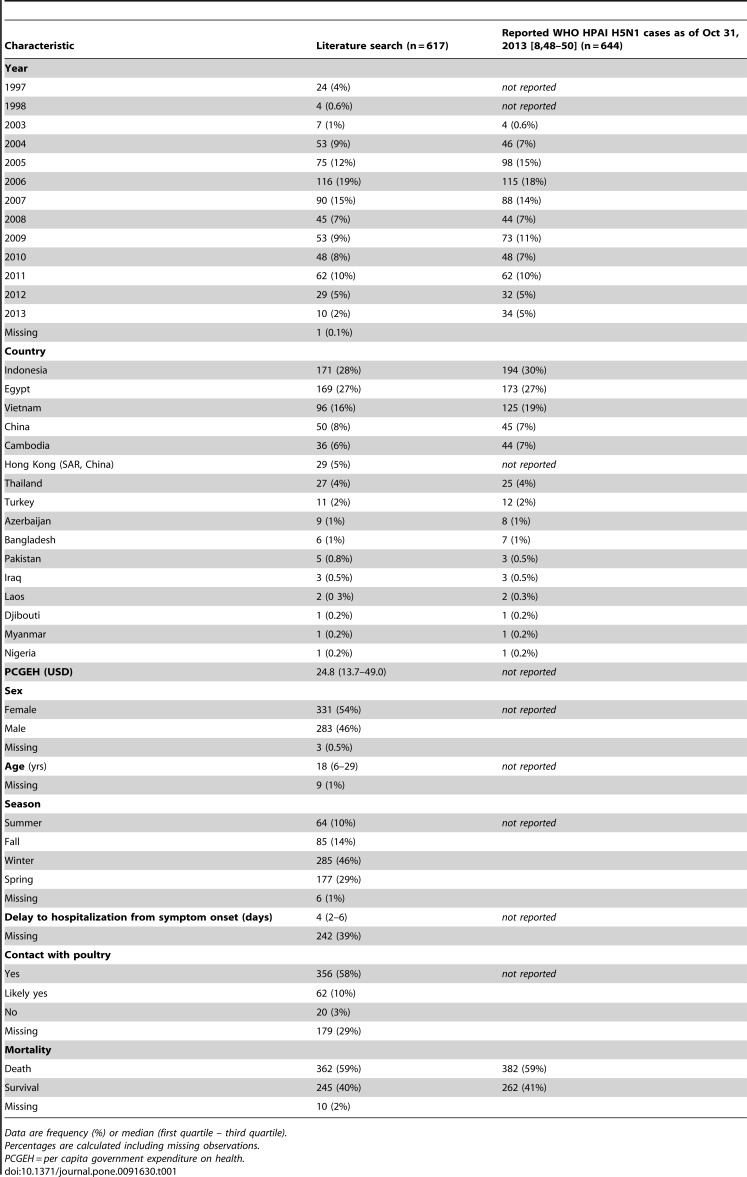
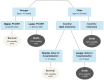
We identified 617 human cases of HPAI H5N1 occurring between December 1997 and April 2013. The median age of subjects was 18 years (interquartile range 6–29 years) and 54% were female. HPAI H5N1 case-fatality proportion was 59%. The final decision tree for mortality included age, country, per capita government health expenditure, and delay from symptom onset to hospitalization, with an area under the receiver operator characteristic (ROC) curve of 0.81 (95% CI: 0.76–0.86).
Interpretation
A model defined by four clinical and demographic predictors successfully estimated the probability of mortality from HPAI H5N1 illness. These parameters highlight the importance of early diagnosis and treatment and may enable early, targeted pharmaceutical therapy and supportive care for symptomatic patients with HPAI H5N1 virus infection.
-
Subjects:
-
Source:PLoS One. 2014; 9(3).
-
Document Type:
-
Funding:
-
Volume:9
-
Issue:3
-
Collection(s):
-
Main Document Checksum:urn:sha256:f9a0181364b8479f51488065b5829e87ef94f0bd89dfb8d585b6fb06f5e4852c
-
Download URL:
-
File Type:
 [PDF
- 509.64 KB
]
[PDF
- 509.64 KB
]
Supporting Files


File Language:
English
ON THIS PAGE




CDC STACKS serves as an archival repository of CDC-published products including
scientific findings,
journal articles, guidelines, recommendations, or other public health information authored or
co-authored by CDC or funded partners.
As a repository, CDC STACKS retains documents in their original published format to ensure public access to scientific information.
As a repository, CDC STACKS retains documents in their original published format to ensure public access to scientific information.
You May Also Like
COLLECTION
CDC Public Access