


‘We Keep It Secret So No One Should Know’ – A Qualitative Study to Explore Young Schoolgirls Attitudes and Experiences with Menstruation in Rural Western Kenya
Supporting Files

-
Nov 14 2013
-
File Language:
English
Details
-
Alternative Title:PLoS One
-
Personal Author:
-
Description:Background
Keeping girls in school offers them protection against early marriage, teen pregnancy, and sexual harms, and enhances social and economic equity. Studies report menstruation exacerbates school-drop out and poor attendance, although evidence is sparse. This study qualitatively examines the menstrual experiences of young adolescent schoolgirls.
Methods and Findings
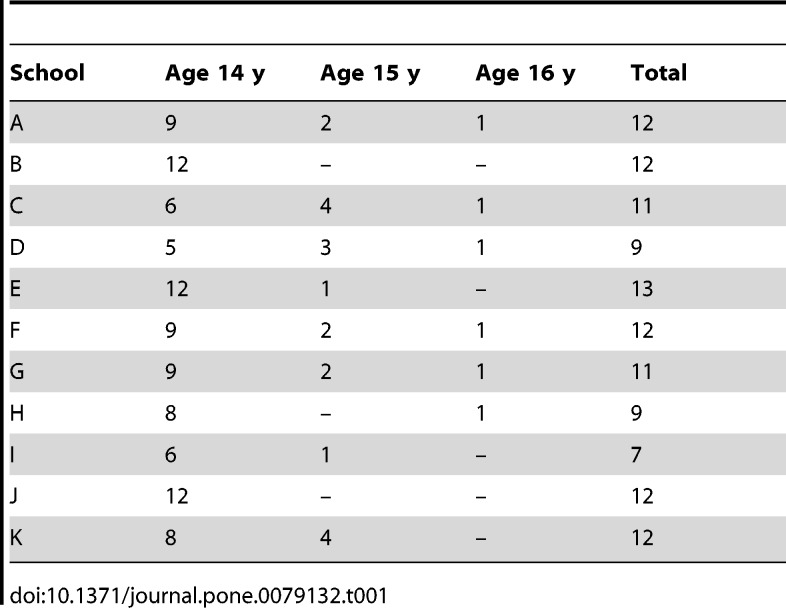
The study was conducted in Siaya County in rural western Kenya. A sample of 120 girls aged 14–16 years took part in 11 focus group discussions, which were analysed thematically. The data gathered were supplemented by information from six FGDs with parents and community members. Emergent themes were: lack of preparation for menarche; maturation and sexual vulnerability; menstruation as an illness; secrecy, fear and shame of leaking; coping with inadequate alternatives; paying for pads with sex; and problems with menstrual hygiene. Girls were unprepared and demonstrated poor reproductive knowledge, but devised practical methods to cope with menstrual difficulties, often alone. Parental and school support of menstrual needs is limited, and information sparse or inaccurate. Girls’ physical changes prompt boys and adults to target and brand girls as ripe for sexual activity including coercion and marriage. Girls admitted ‘others’ rather than themselves were absent from school during menstruation, due to physical symptoms or inadequate sanitary protection. They described difficulties engaging in class, due to fear of smelling and leakage, and subsequent teasing. Sanitary pads were valued but resource and time constraints result in prolonged use causing chafing. Improvised alternatives, including rags and grass, were prone to leak, caused soreness, and were perceived as harmful. Girls reported ‘other girls’ but not themselves participated in transactional sex to buy pads, and received pads from boyfriends.
Conclusions
In the absence of parental and school support, girls cope, sometimes alone, with menarche in practical and sometimes hazardous ways. Emotional and physical support mechanisms need to be included within a package of measures to enable adolescent girls to reach their potential.
-
Subjects:
-
Source:PLoS One. 2013; 8(11).
-
Document Type:
-
Funding:
-
Place as Subject:
-
Volume:8
-
Issue:11
-
Collection(s):
-
Main Document Checksum:urn:sha256:723426e23c7d3bdc65ee371abce7c4a9e196a1dfaec483ce63f06483039b30ff
-
Download URL:
-
File Type:
 [PDF
- 207.90 KB
]
[PDF
- 207.90 KB
]
Supporting Files


File Language:
English
ON THIS PAGE


CDC STACKS serves as an archival repository of CDC-published products including
scientific findings,
journal articles, guidelines, recommendations, or other public health information authored or
co-authored by CDC or funded partners.
As a repository, CDC STACKS retains documents in their original published format to ensure public access to scientific information.
As a repository, CDC STACKS retains documents in their original published format to ensure public access to scientific information.
You May Also Like
COLLECTION
CDC Public Access