



Multiple genetic origins of histidine-rich protein 2 gene deletion in Plasmodium falciparum parasites from Peru
Supporting Files

-
Sep 30 2013
Details
-
Alternative Title:Sci Rep
-
Personal Author:Akinyi, Sheila ; Hayden, Tonya ; Gamboa, Dionicia ; Torres, Katherine ; Bendezu, Jorge ; Abdallah, Joseph F. ; Griffing, Sean M. ; Quezada, Wilmer Marquiño ; Arrospide, Nancy ; De Oliveira, Alexandre Macedo ; Lucas, Carmen ; Magill, Alan J. ; Bacon, David J. ; Barnwell, John W. ; Udhayakumar, Venkatachalam
-
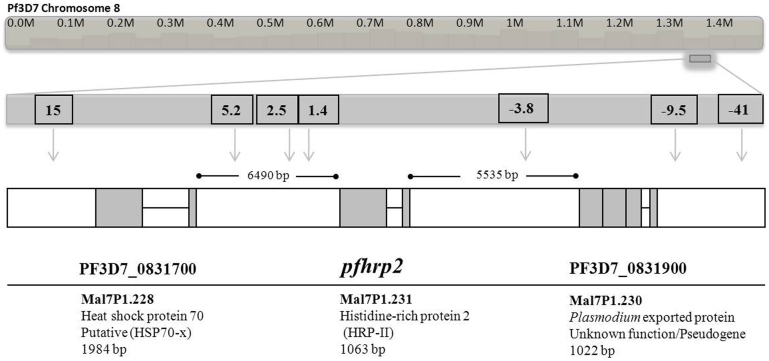
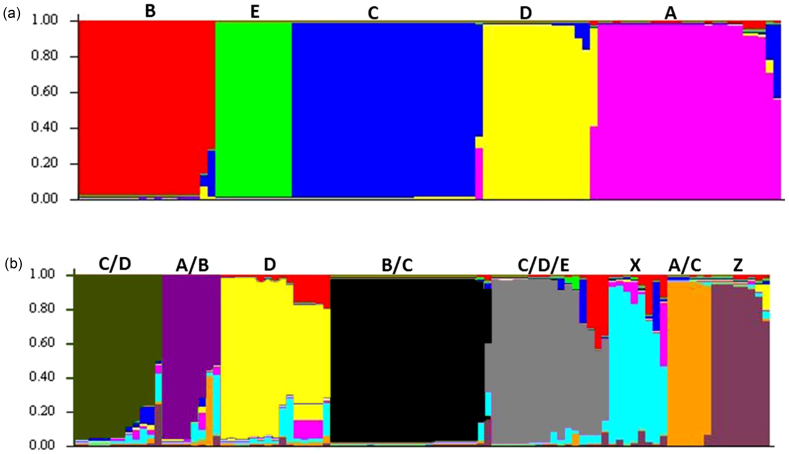
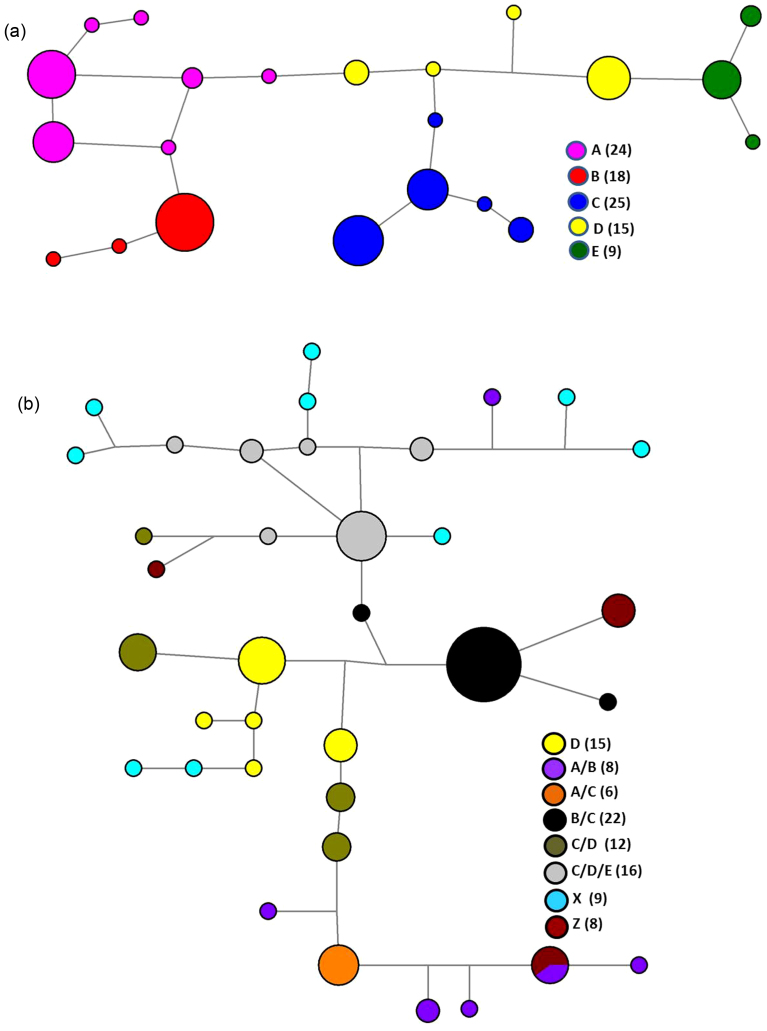
Description:The majority of malaria rapid diagnostic tests (RDTs) detect Plasmodium falciparum histidine-rich protein 2 (PfHRP2), encoded by the pfhrp2 gene. Recently, P. falciparum isolates from Peru were found to lack pfhrp2 leading to false-negative RDT results. We hypothesized that pfhrp2-deleted parasites in Peru derived from a single genetic event. We evaluated the parasite population structure and pfhrp2 haplotype of samples collected between 1998 and 2005 using seven neutral and seven chromosome 8 microsatellite markers, respectively. Five distinct pfhrp2 haplotypes, corresponding to five neutral microsatellite-based clonal lineages, were detected in 1998-2001; pfhrp2 deletions occurred within four haplotypes. In 2003-2005, outcrossing among the parasite lineages resulted in eight population clusters that inherited the five pfhrp2 haplotypes seen previously and a new haplotype; pfhrp2 deletions occurred within four of these haplotypes. These findings indicate that the genetic origin of pfhrp2 deletion in Peru was not a single event, but likely occurred multiple times.
-
Subjects:
-
Source:Sci Rep. 2013; 3.
-
Document Type:
-
Funding:
-
Volume:3
-
Download URL:
-
File Type:
 [PDF - 715.71 KB]
 -
Collection(s):
-
Main Document Checksum:urn:sha256:96d5cd38ee567a0edfe333ed4142745bd52cd4d3e929d5f29b6bf937da2492de
Supporting Files


 Was this page helpful?
 Found an issue?




CDC STACKS serves as an archival repository of CDC-published products including
scientific findings, journal articles, guidelines, recommendations, or other public health information authored or
co-authored by CDC or funded partners.
As a repository, CDC STACKS retains documents in their original published format to ensure public access to scientific information.
As a repository, CDC STACKS retains documents in their original published format to ensure public access to scientific information.
You May Also Like
COLLECTION
CDC Public Access