



Nodding Syndrome
Supporting Files
Public Domain

-
2013/01/01
-
File Language:
English
Details
-
Alternative Title:Emerg Infect Dis
-
Personal Author:
-
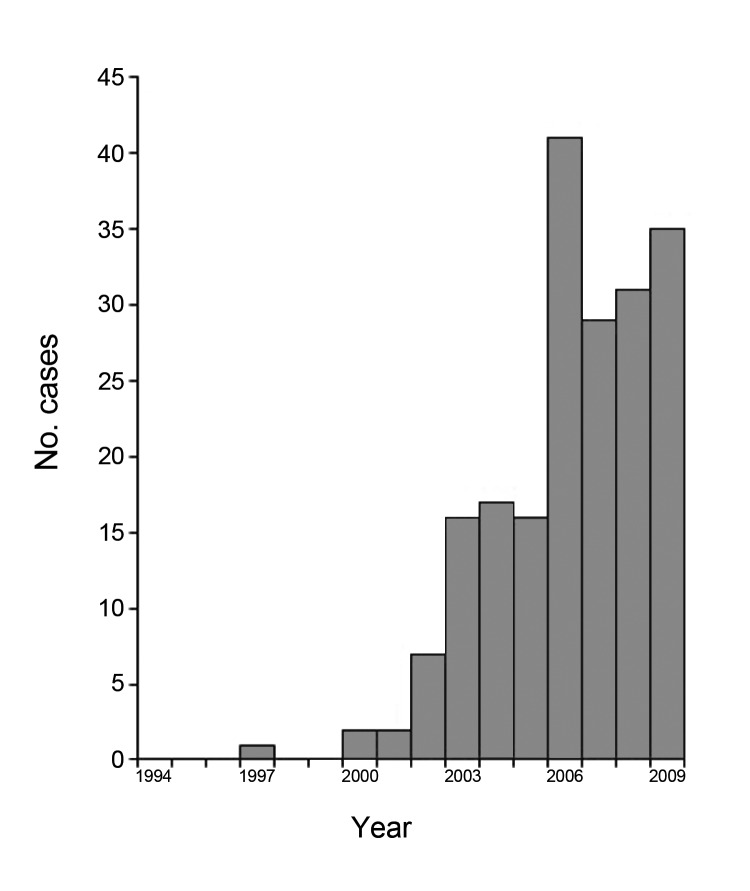
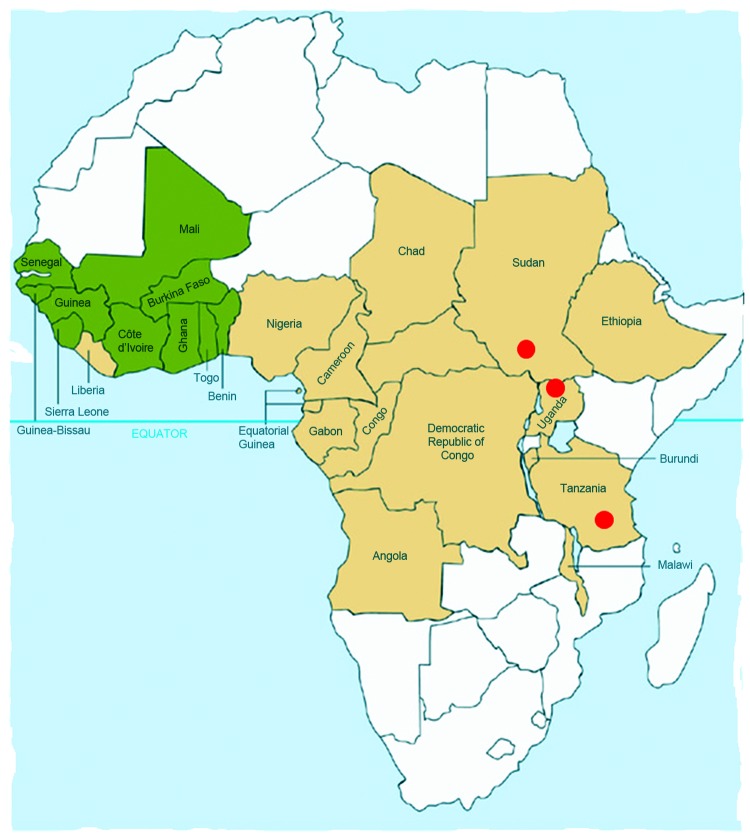
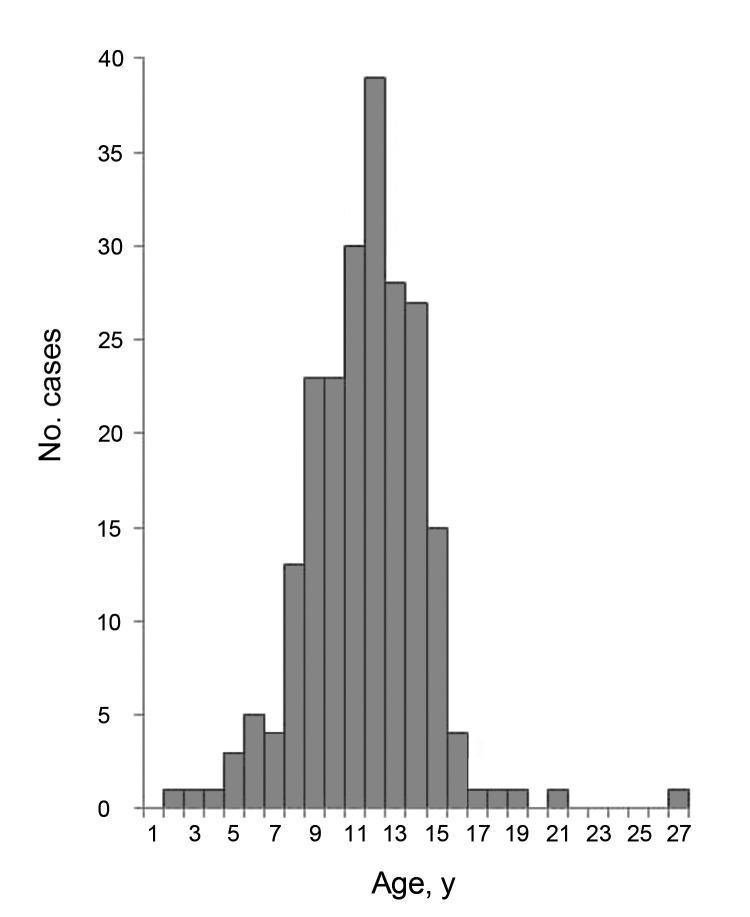
Description:An epidemic illness characterized by head nodding associated with onchocerciasis has been described in eastern Africa since the early 1960s; we summarize published reports and recent studies. Onset of nodding occurs in previously healthy 5-15-year-old children and is often triggered by eating or cold temperatures and accompanied by cognitive impairment. Its incidence has increased in Uganda and South Sudan over the past 10 years. Four case-control studies identified modest and inconsistent associations. There were nonspecific lesions seen by magnetic resonance imaging, no cerebrospinal fluid inflammation, and markedly abnormal electroencephalography results. Nodding episodes are atonic seizures. Testing has failed to demonstrate associations with trypanosomiasis, cysticercosis, loiasis, lymphatic filariasis, cerebral malaria, measles, prion disease, or novel pathogens; or deficiencies of folate, cobalamin, pyridoxine, retinol, or zinc; or toxicity from mercury, copper, or homocysteine. There is a consistent enigmatic association with onchocerciasis detected by skin snip or serologic analysis. Nodding syndrome is an unexplained epidemic epilepsy.
-
Subjects:
-
Source:Emerg Infect Dis. 19(9):1374-1373.
-
Document Type:
-
Genre:
-
Place as Subject:
-
Location:
-
Volume:19
-
Issue:9
-
Collection(s):
-
Main Document Checksum:urn:sha-512:444574c5f481ab785a13a2d9b36f3771e87bbb4d24fbbbe76e141508db8770f13b2d24b939e1bd6cf93a319cc4d2e8af30869423929df71ce72dc8ab96a841dc
-
Download URL:
-
File Type:
 [PDF
- 560.87 KB
]
[PDF
- 560.87 KB
]
Supporting Files


File Language:
English
 Was this page helpful?
 Found an issue?




CDC STACKS serves as an archival repository of CDC-published products including
scientific findings,
journal articles, guidelines, recommendations, or other public health information authored or
co-authored by CDC or funded partners.
As a repository, CDC STACKS retains documents in their original published format to ensure public access to scientific information.
As a repository, CDC STACKS retains documents in their original published format to ensure public access to scientific information.
You May Also Like
COLLECTION
Emerging Infectious Diseases