



Lung Gene Expression Suggests Roles for Interferon-Stimulated Genes and Adenosine Deaminase Acting against RNA-1 in Pathologic Responses to Diisocyanate
Supporting Files

-
3-18-2024

File Language:
English
Details
-
Alternative Title:Chem Res Toxicol
-
Personal Author:
-
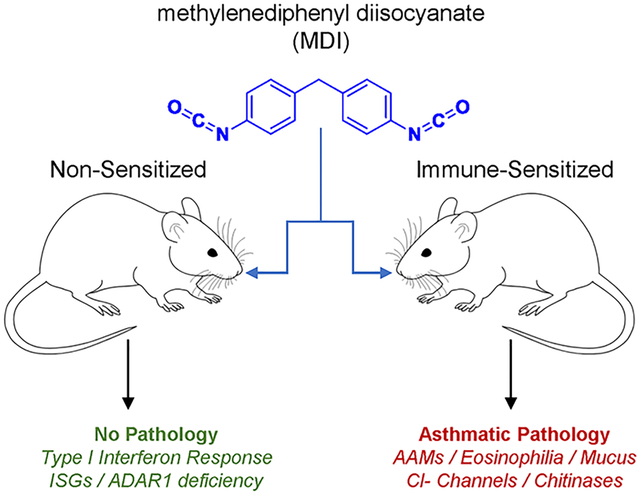
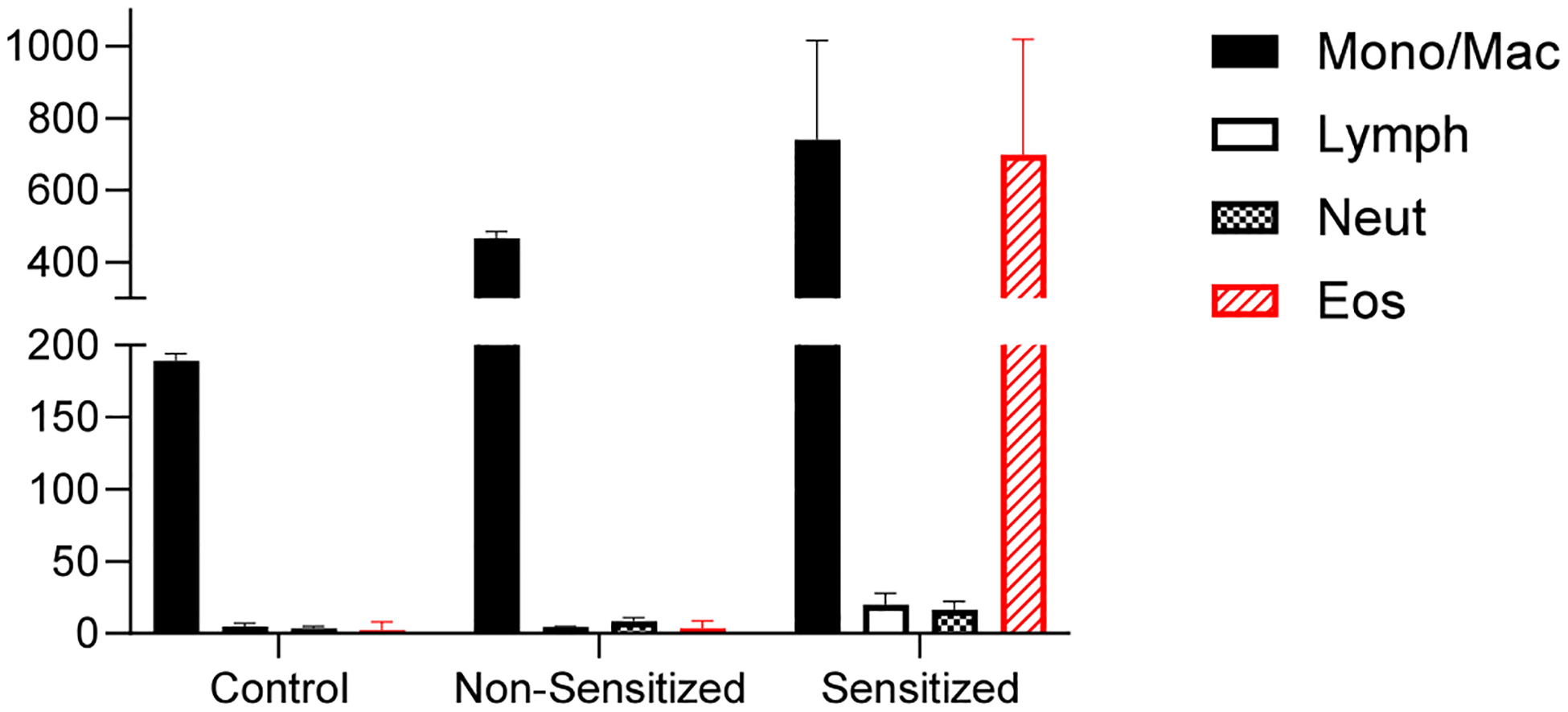
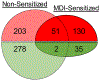
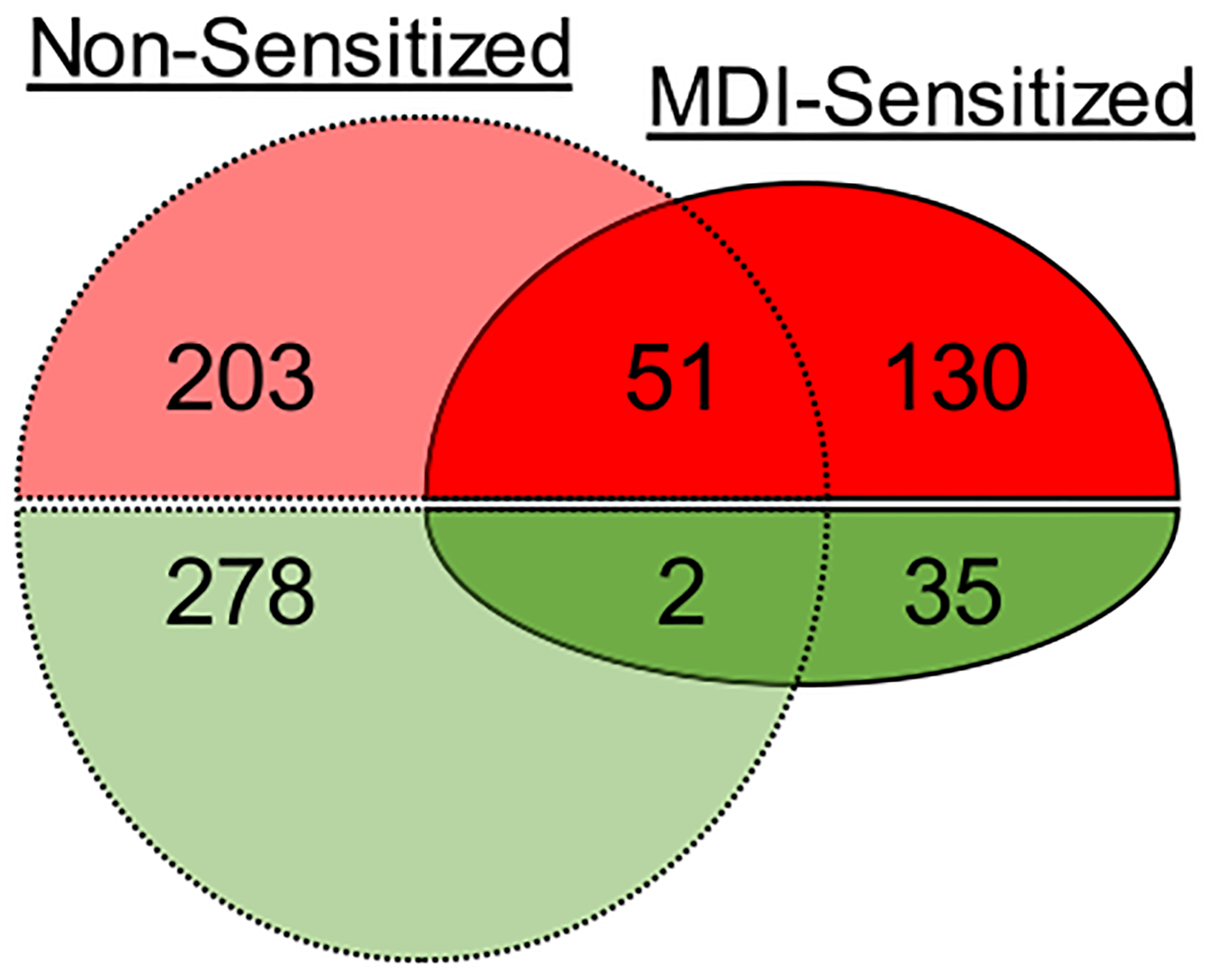
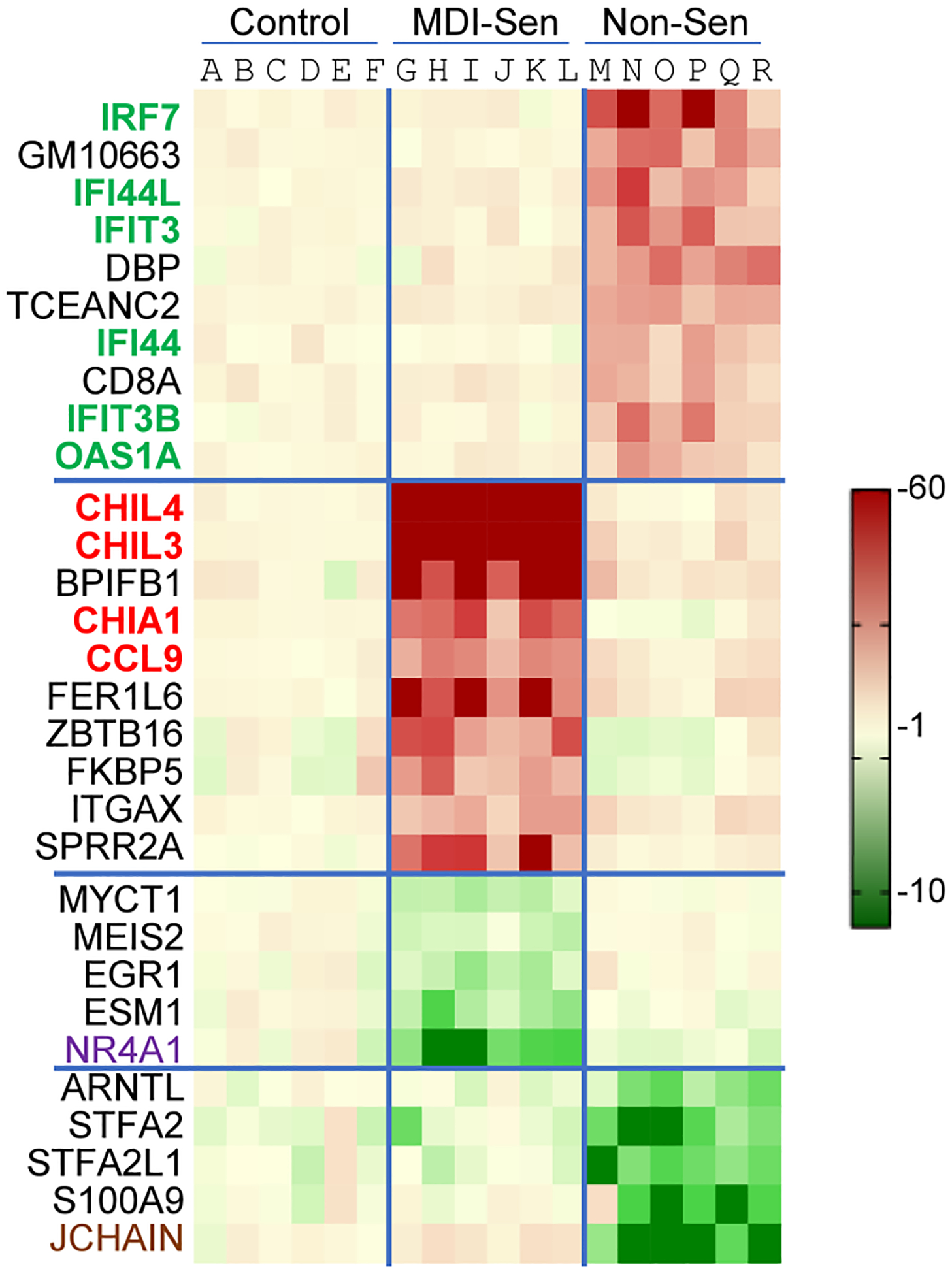
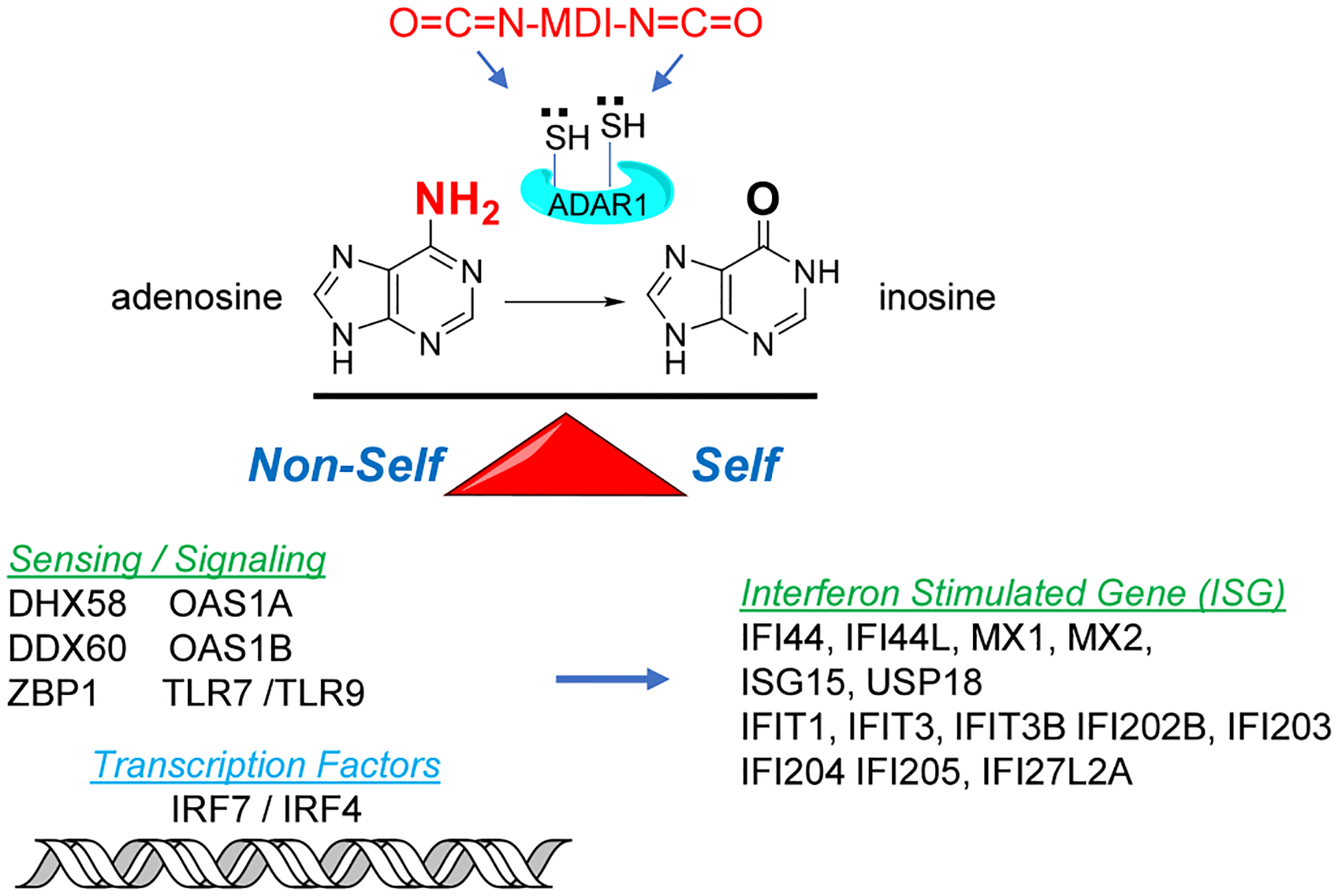
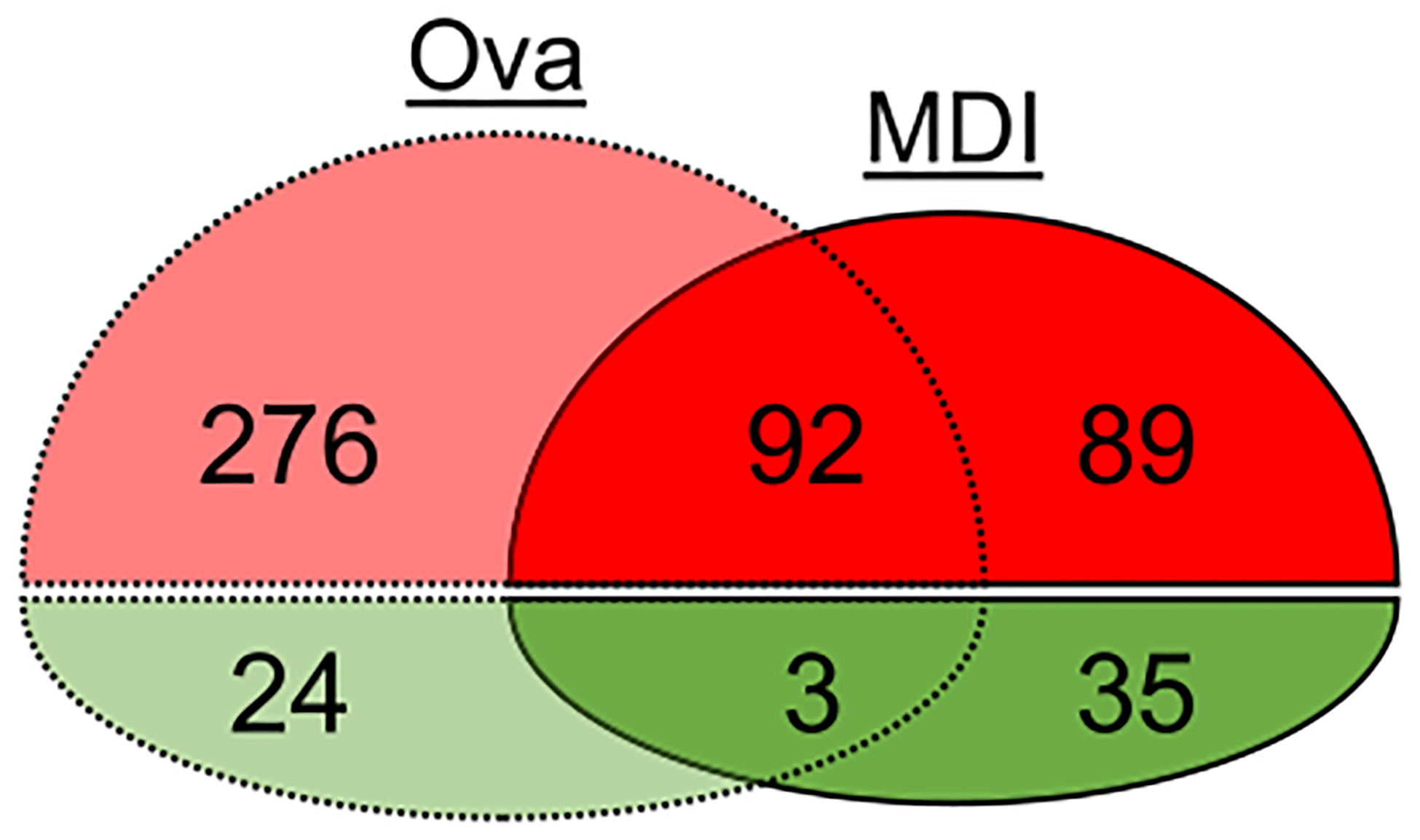
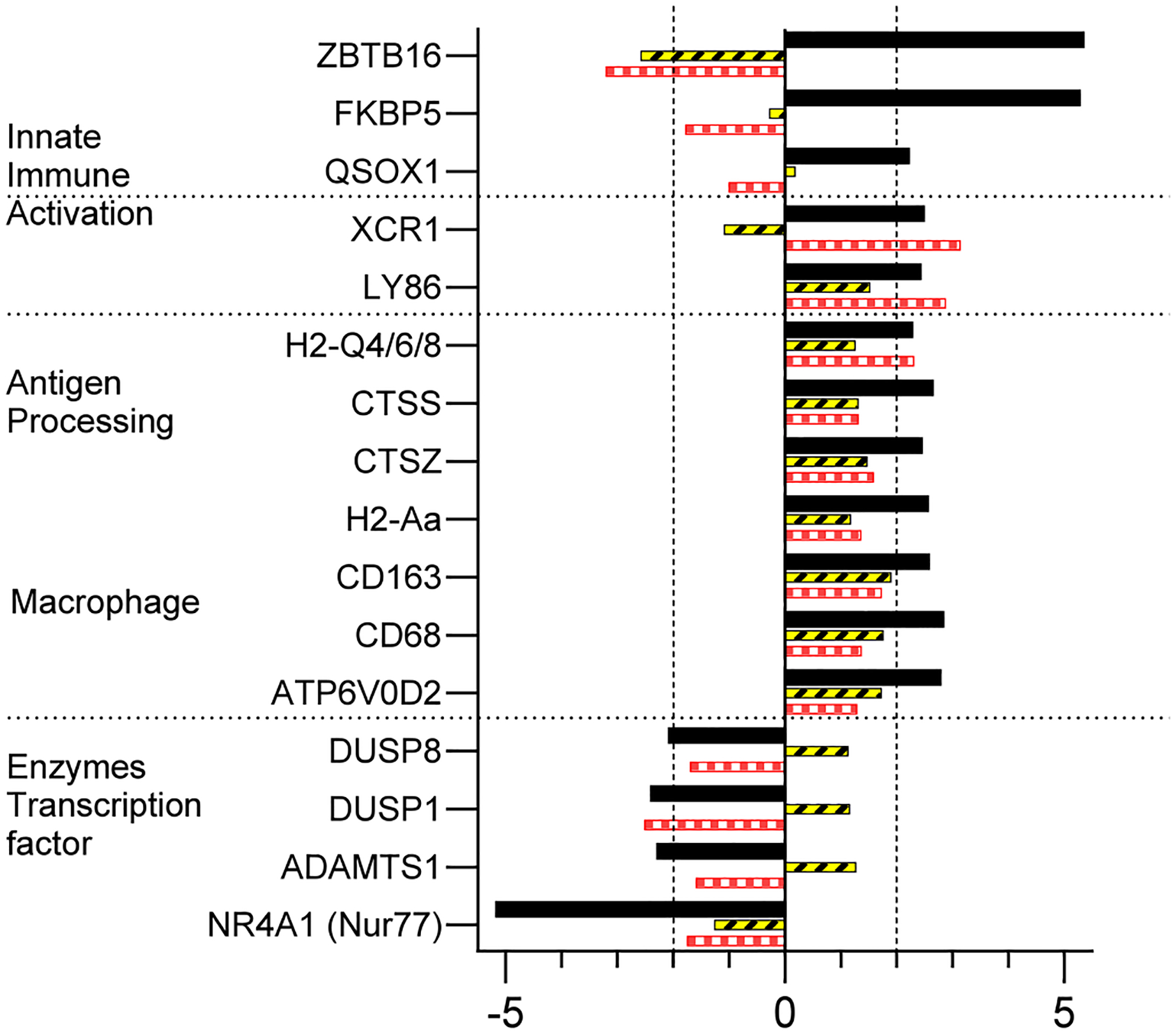
Description:Mechanisms underlying methylene diphenyl diisocyanate (MDI) and other low molecular weight chemical-induced asthma are unclear and appear distinct from those of high molecular weight (HMW) allergen-induced asthma. We sought to elucidate molecular pathways that differentiate asthma-like pathogenic vs nonpathogenic responses to respiratory tract MDI exposure in a murine model. Lung gene expression differences in MDI exposed immune-sensitized and nonsensitized mice vs unexposed controls were measured by microarrays, and associated molecular pathways were identified through bioinformatic analyses and further compared with published studies of a prototypic HMW asthmagen (ovalbumin). Respiratory tract MDI exposure significantly altered lung gene expression in both nonsensitized and immune-sensitized mice, vs controls. Fifty-three gene transcripts were altered in all MDI exposed lung tissue vs controls, with levels up to 10-fold higher in immune-sensitized vs nonsensitized mice. Gene transcripts selectively increased in MDI exposed immune-sensitized animals were dominated by chitinases and chemokines and showed substantial overlap with those increased in ovalbumin-induced asthma. In contrast, MDI exposure of nonsensitized mice increased type I interferon stimulated genes (ISGs) in a pattern reflecting deficiency in adenosine deaminase acting against RNA (ADAR-1), an important regulator of innate, as well as "sterile" or autoimmunity triggered by tissue damage. Thus, MDI-induced changes in lung gene expression were identified that differentiate nonpathogenic innate responses in nonsensitized hosts from pathologic adaptive responses in immune-sensitized hosts. The data suggest that MDI alters unique biological pathways involving ISGs and ADAR-1, potentially explaining its unique immunogenicity/allergenicity.
-
Subjects:
-
Source:Chem Res Toxicol. 37(3):476-485
-
DOI:
-
Pubmed ID:38494904
-
Pubmed Central ID:PMC11748834
-
Document Type:
-
Funding:
-
Volume:37
-
Issue:3
-
Collection(s):
-
Main Document Checksum:urn:sha-512:2d91dc190dd941f077ba7bc7a252b0d790886959e16116ba1b864207e3c09c9da91fb05f07c8364e13c23acc2eacc5cf37cb20db9ef9162c2559d7b0eab1c986
-
Download URL:
-
File Type:
 [PDF
- 1.68 MB
]
[PDF
- 1.68 MB
]
Supporting Files


File Language:
English
 Was this page helpful?
 Found an issue?
CDC STACKS serves as an archival repository of CDC-published products including
scientific findings,
journal articles, guidelines, recommendations, or other public health information authored or
co-authored by CDC or funded partners.
As a repository, CDC STACKS retains documents in their original published format to ensure public access to scientific information.
As a repository, CDC STACKS retains documents in their original published format to ensure public access to scientific information.
You May Also Like
COLLECTION
CDC Public Access