



Habitual REM Sleep Predicts Changes in Test-Anxiety Levels Weeks in Advance
Supporting Files

-
2-2025
-
Available in CDC Stacks on 2026-02-01T00:00:00Z
File Language:
English
Details
-
Alternative Title:J Sleep Res
-
Personal Author:
-
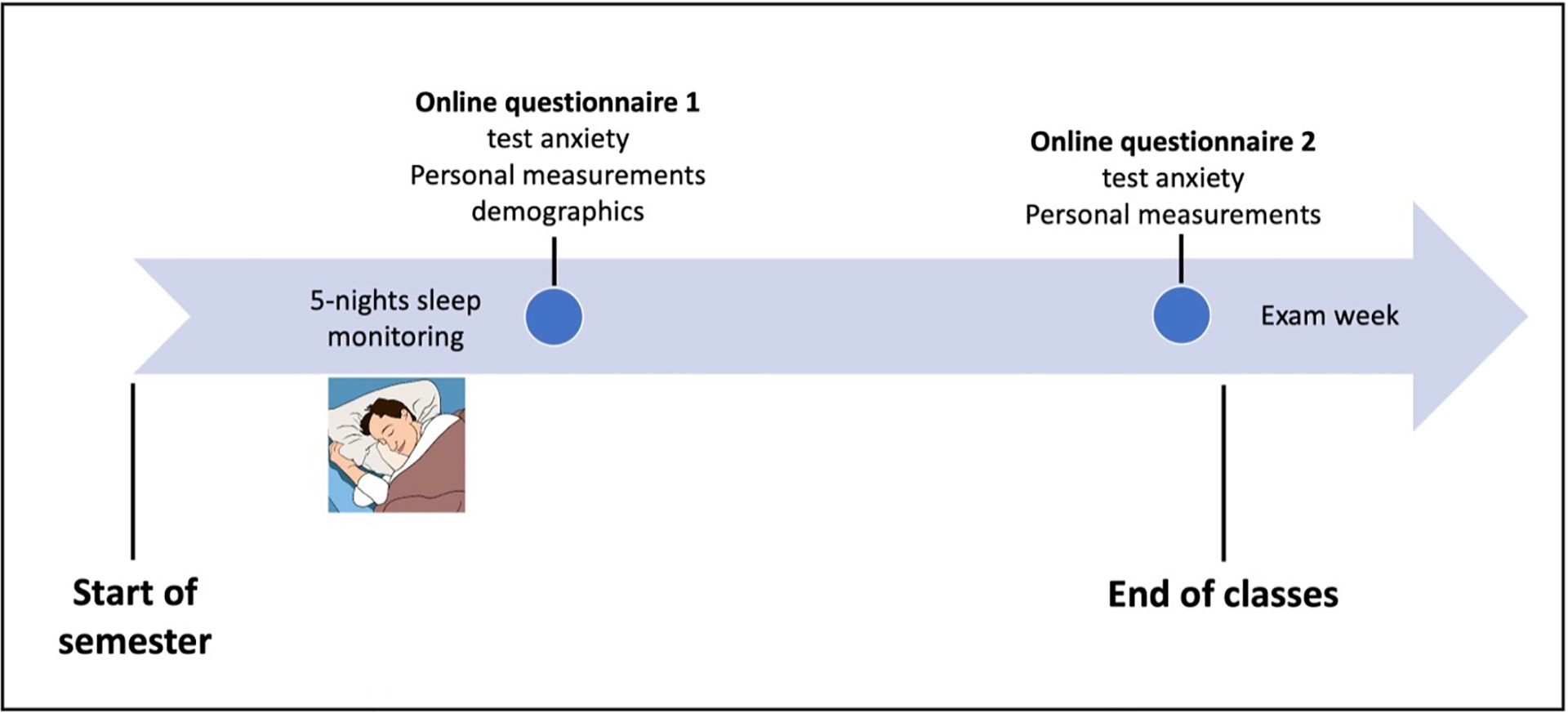
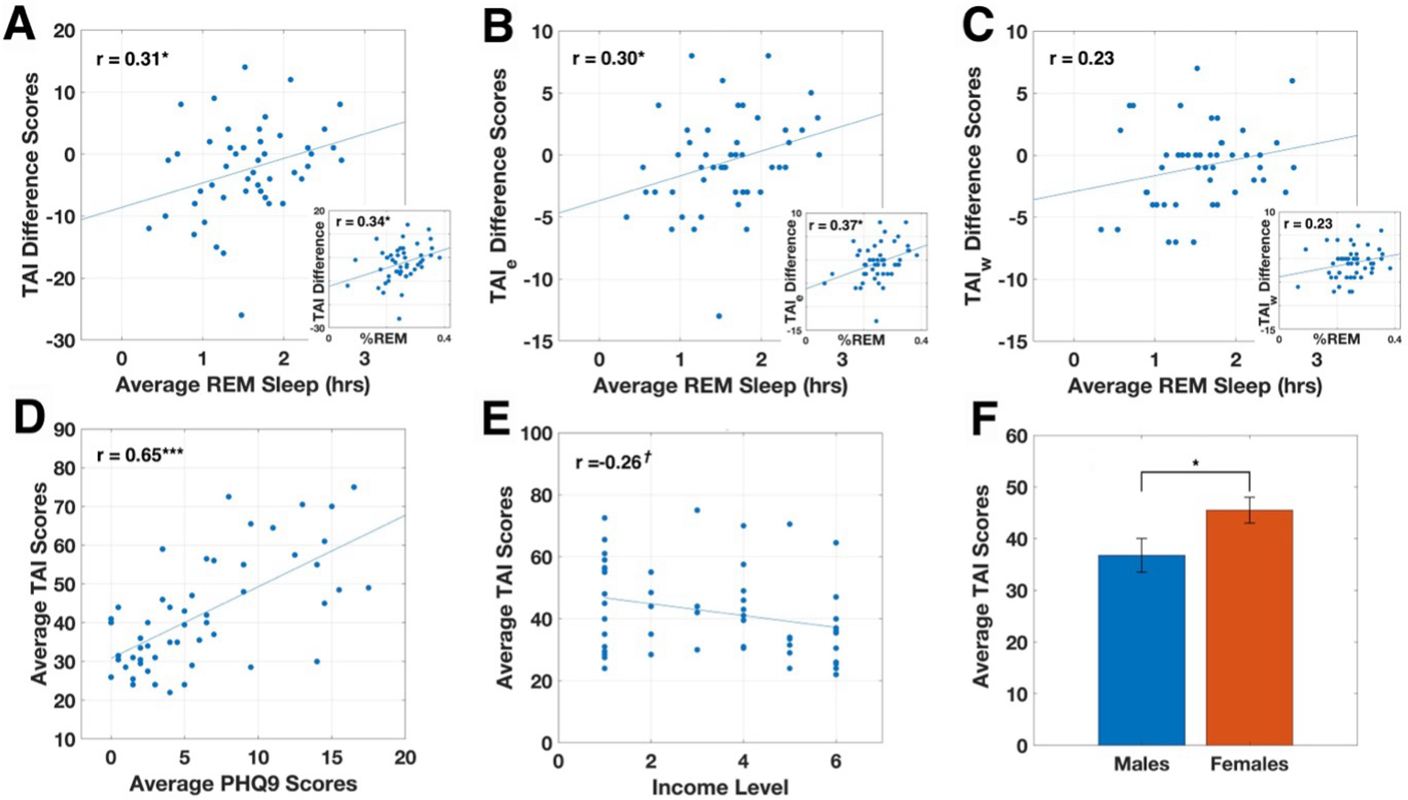
Description:Previous research has linked rapid eye movement sleep to emotional processing, particularly stress. Lab studies indicate that rapid eye movement sleep deprivation and fragmentation heighten emotional reactivity and stress response. This relationship extends to natural settings, where poor-quality sleep among college students correlates with increased academic stress and lower academic performance. However, there is a lack of research into how specific sleep stages, like rapid eye movement, affect real-life stress development. This study investigated whether habitual rapid eye movement sleep in college students can predict the future development of real-life stress symptoms associated with final exams. Fifty-two participants (mean age = 19 years, 62% females) monitored their sleep for a week during the academic semester using a mobile electroencephalogram device, and then completed self-evaluations measuring test anxiety and other relevant factors. They completed the same evaluations again just prior to final exams. We found that rapid eye movement sleep was the most dominant factor predicting changes in participants' test anxiety. However, contrasting with our predictions, habitual rapid eye movement sleep was associated with an increase rather than decrease in anxiety. We discuss these results in terms of the rapid eye movement recalibration hypothesis, which suggests rapid eye movement sleep modulates activity in stress-encoding areas in the brain, leading to both decreased sensitivity and increased selectivity of stress responses.
-
Subjects:
-
Keywords:
-
Source:J Sleep Res. 34(1):e14298
-
DOI:
-
Pubmed ID:39080966
-
Pubmed Central ID:PMC11745937
-
Document Type:
-
Funding:
-
Volume:34
-
Issue:1
-
Download URL:
-
File Type:
 [PDF - 602.05 KB]
 -
Collection(s):
-
Main Document Checksum:urn:sha-512:c49cfbe5d6e381e581427e16c13c5e7a07efd072a89fecaf777470ac33b21705e6f359b7422ce657972167ede46d9104e8f17a6009660197714f8c70058f5b1d
Supporting Files


File Language:
English
 Was this page helpful?
 Found an issue?

CDC STACKS serves as an archival repository of CDC-published products including
scientific findings, journal articles, guidelines, recommendations, or other public health information authored or
co-authored by CDC or funded partners.
As a repository, CDC STACKS retains documents in their original published format to ensure public access to scientific information.
As a repository, CDC STACKS retains documents in their original published format to ensure public access to scientific information.
You May Also Like
COLLECTION
CDC Public Access