



Drug Resistance Mutations Among South African Children Living With HIV on WHO-recommended ART Regimens
Supporting Files

-
-
-
Available in CDC Stacks on


File Language:
English
Details
-
Alternative Title:Clin Infect Dis
-
Personal Author:
-
Description:Background.
Children living with human immunodeficiency virus (HIV) (CLHIV) receiving antiretroviral therapy (ART) in resource-limited settings are susceptible to high rates of acquired HIV drug resistance (HIVDR), but few studies include children initiating age-appropriate World Health Organization (WHO)-recommended first-line regimens. We report data from a cohort of ART-naive South African children who initiated first-line ART.
Methods.
ART-eligible CLHIV aged 0–12 years were enrolled from 2012 to 2014 at 5 public South African facilities and were followed for up to 24 months. Enrolled CLHIV received standard-of-care WHO-recommended first-line ART. At the final study visit, a dried blood spot sample was obtained for viral load and genotypic resistance testing.
Results.
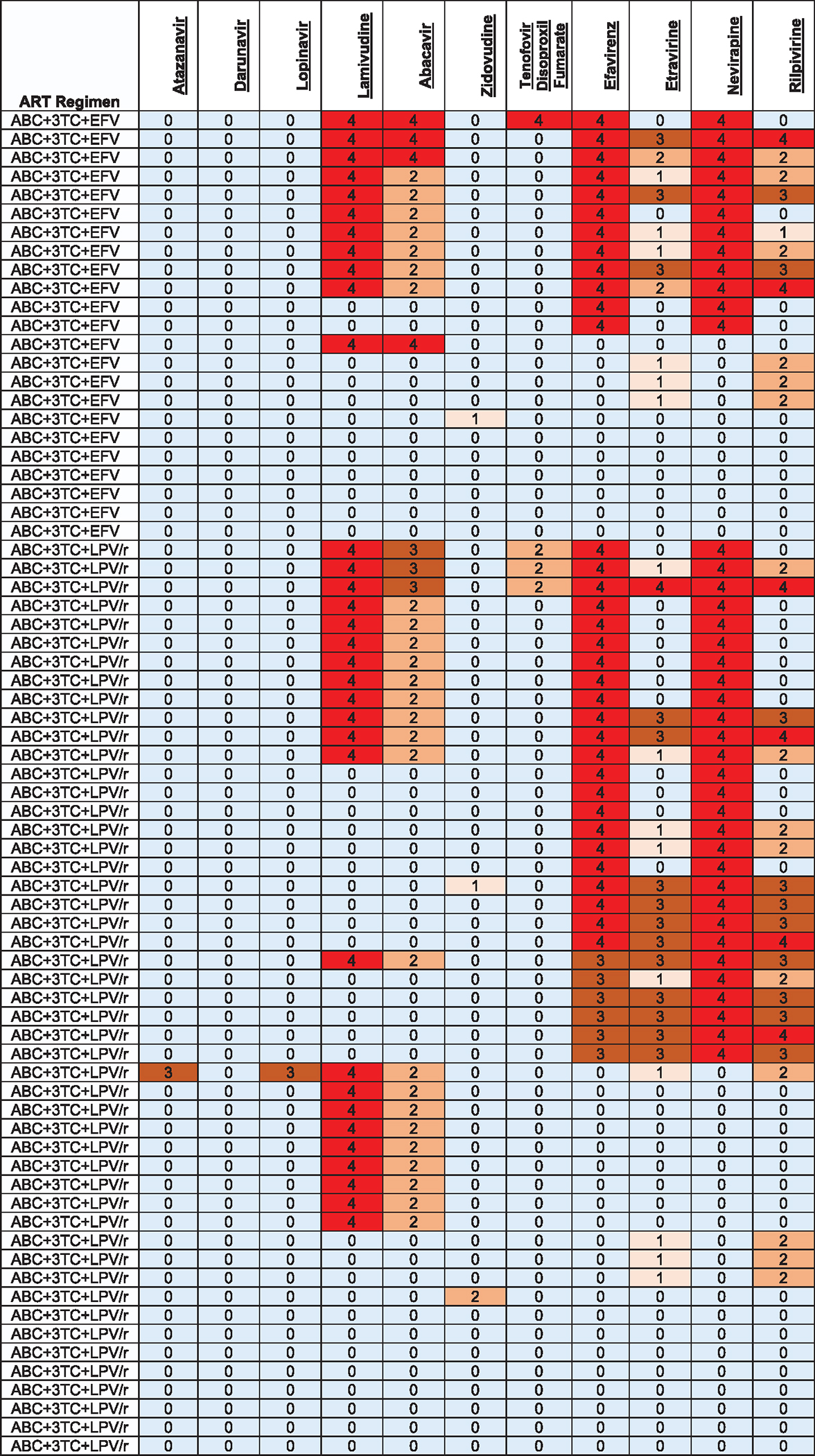
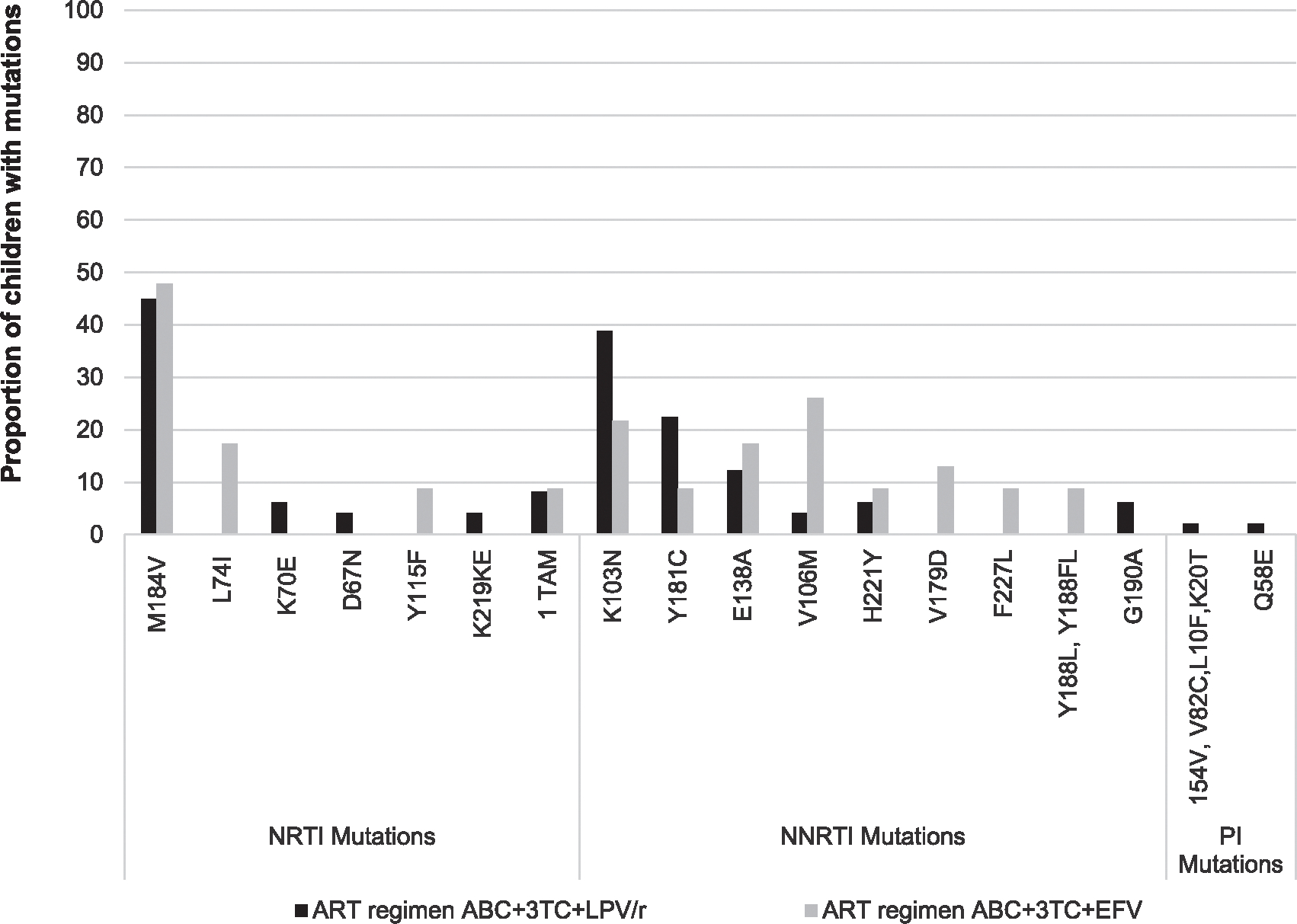
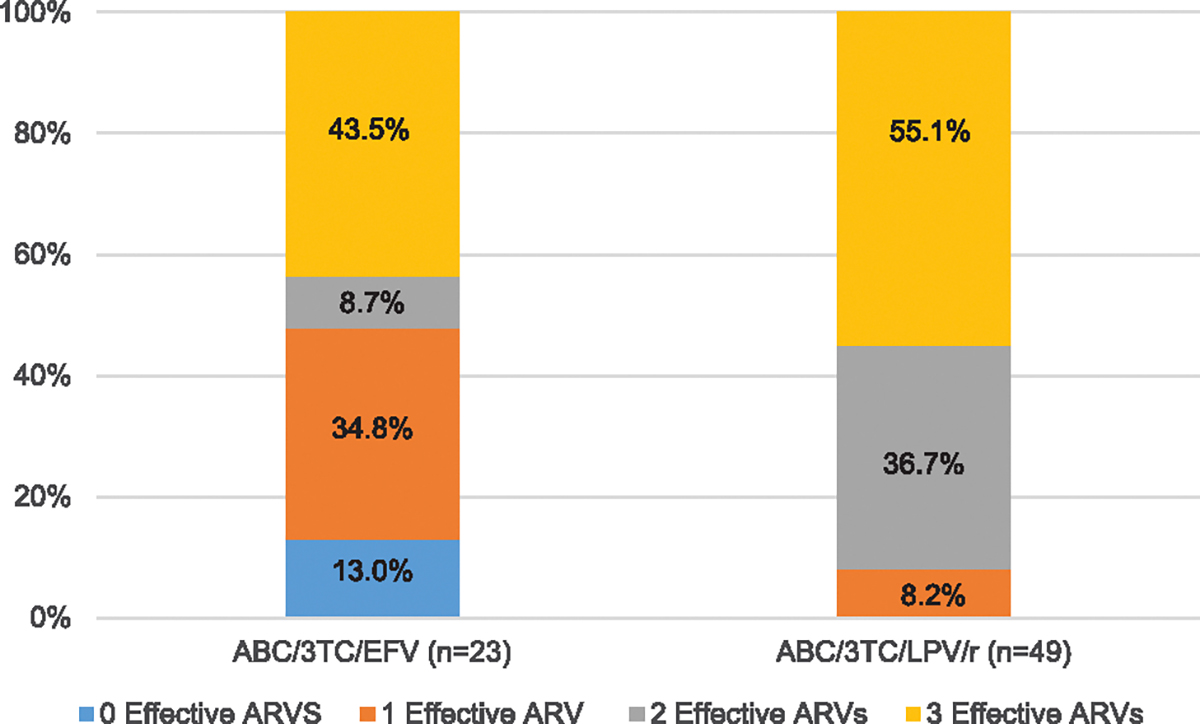
Among 72 successfully genotyped CLHIV, 49 (68.1%) received ABC/3TC/LPV/r, and 23 (31.9%) received ABC/3TC/EFV. All but 2 children on ABC/3TC/LPV/r were <3 years, and all CLHIV on ABC/3TC/EFV were ≥3 years. Overall, 80.6% (58/72) had at least one drug resistance mutation (DRM). DRMs to nonnucleoside reverse transcriptase inhibitors (NNRTIs) and nucleoside reverse transcriptase inhibitors (NRTIs) were found among 65% and 51% of all CLHIV, respectively, with no statistical difference by ART regimen. More CLHIV on ABC/3TC/EFV, 47.8% (11/23), were found to have 0 or only 1 effective antiretroviral drug remaining in their current regimen compared to 8.2% (4/49) on ABC/3TC/LPV/r.
Conclusions.
High levels of NNRTI and NRTI DRMs among CLHIV receiving ABC/3TC/LPV/r suggests a lasting impact of failed mother-to-child transmission interventions on DRMs. However, drug susceptibility analysis reveals that CLHIV with detectable viremia on ABC/3TC/LPV/r are more likely to have maintained at least 2 effective agents on their current HIV regimen than those on ABC/3TC/EFV. -
Subjects:
-
Keywords:
-
Pubmed ID:32735012
-
Pubmed Central ID:PMC11657150
-
Document Type:
-
Funding:
-
Volume:73
-
Issue:7
-
Download URL:
-
File Type:
 [PDF - 1.08 MB]
-
Collection(s):
-
Main Document Checksum:urn:sha-512:565a9c7f22113e561e7e7a1a0dc709cb5952b50d41bdc81a1dc6050c5c4169b24498a2923c8aa1d27bef289b91754a32a6ecf6b07bb15f550b6205178096f60a
Supporting Files


File Language:
English
 Was this page helpful?
 Found an issue?

CDC STACKS serves as an archival repository of CDC-published products including
scientific findings, journal articles, guidelines, recommendations, or other public health information authored or
co-authored by CDC or funded partners.
As a repository, CDC STACKS retains documents in their original published format to ensure public access to scientific information.
As a repository, CDC STACKS retains documents in their original published format to ensure public access to scientific information.
You May Also Like
COLLECTION
CDC Public Access