


Increased HIV diagnoses in West Virginia counties highly vulnerable to rapid HIV dissemination through injection drug use: a cautionary tale
Supporting Files

-
6 2019
-
File Language:
English
Details
-
Alternative Title:Ann Epidemiol
-
Personal Author:Bradley, Heather ; Hogan, Vicki ; Agnew-Brune, Christine ; Armstrong, John ; Broussard, Dawn ; Buchacz, Kate ; Burton, Kenya ; Cope, Scott ; Dawson, Erica ; De La Garza, Gloria ; Gerard, Anthony ; Granado, Michael ; Gupta, Rahul ; Haddy, Loretta ; Hoffman, William ; Johnson, Shacara D. ; Kirk, Nathan ; Lee, Chang ; Lyss, Sheryl ; Mark-Carew, Miguella ; Quilter, Laura ; Reynolds, Pamela ; Rose, Bridget ; Thompson, Antoine ; Varella, Lisa ; Weidle, Paul ; White, Brunilis ; Wills, David ; Young, Sherri A. ; Hoots, Brooke E.
-
Description:Purpose:
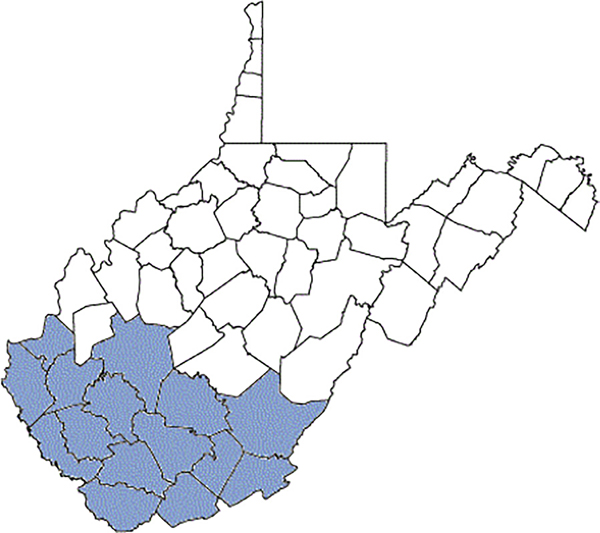
To investigate HIV transmission potential from a cluster of HIV infections among men who have sex with men to persons who inject drugs in 15 West Virginia counties. These counties were previously identified as highly vulnerable to rapid HIV dissemination through injection drug use (IDU) associated with high levels of opioid misuse.
Methods:
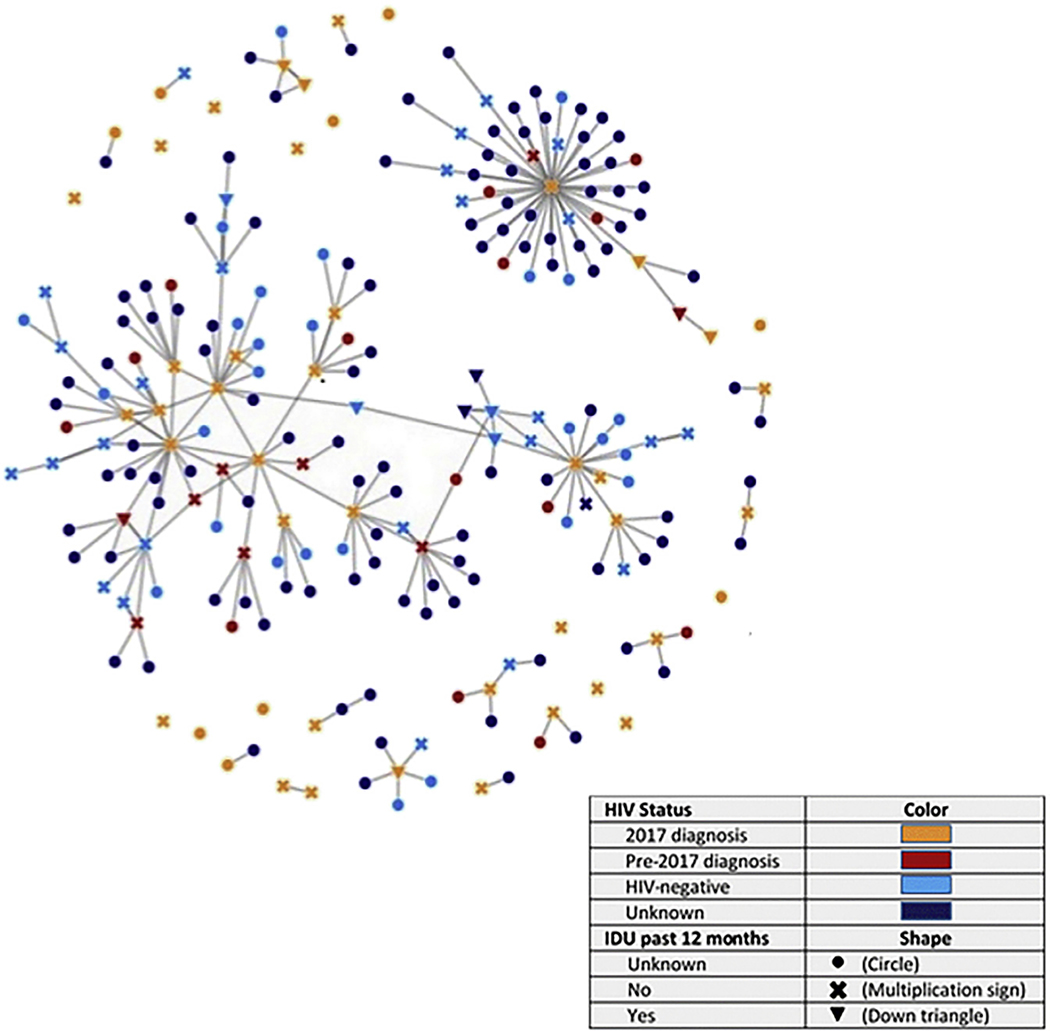
We interviewed persons with 2017 HIV diagnoses about past-year risk behaviors and elicited sexual, IDU, and social contacts. We tested contacts for HIV and assessed risk behaviors. To determine HIV transmission potential from persons with 2017 diagnoses to persons who inject drugs, we assessed viral suppression status, HIV status of contacts, and IDU risk behaviors of persons living with HIV and contacts.
Results:
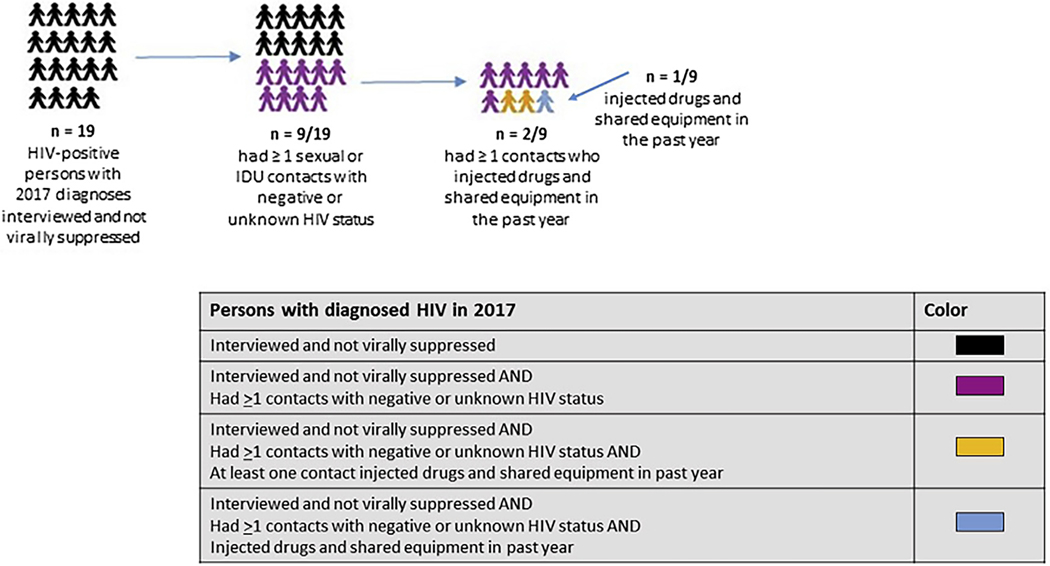
We interviewed 78 persons: 39 with 2017 diagnoses and 39 contacts. Overall, 13/78 (17%) injected drugs in the past year. Of 19 persons with 2017 diagnoses and detectable virus, 9 (47%) had more than or equal to 1 sexual or IDU contacts of negative or unknown HIV status. During the past year, 2/9 had injected drugs and shared equipment, and 1/9 had more than or equal to 1 partner who did so.
Conclusions:
We identified IDU risk behavior among persons with 2017 diagnoses and their contacts. West Virginia HIV prevention programs should continue to give high priority to IDU harm reduction.
-
Subjects:
-
Keywords:
-
Source:Ann Epidemiol. 34:12-17
-
Pubmed ID:30967302
-
Pubmed Central ID:PMC11585324
-
Document Type:
-
Funding:
-
Volume:34
-
Collection(s):
-
Main Document Checksum:urn:sha-512:e4062b3f7cb8b18ec1444762c6494228f1398980c383752b73407ea90dd19ba2809cdc160918d21424367181f79c7d8a02645555d6f08877f15f5f3f3d76273a
-
Download URL:
-
File Type:
 [PDF
- 762.27 KB
]
[PDF
- 762.27 KB
]
Supporting Files


File Language:
English
ON THIS PAGE


CDC STACKS serves as an archival repository of CDC-published products including
scientific findings,
journal articles, guidelines, recommendations, or other public health information authored or
co-authored by CDC or funded partners.
As a repository, CDC STACKS retains documents in their original published format to ensure public access to scientific information.
As a repository, CDC STACKS retains documents in their original published format to ensure public access to scientific information.
You May Also Like
COLLECTION
CDC Public Access