


Neighborhood Socioeconomic Disadvantage and the Neurobiology of Uncertainty in Traumatically Injured Adults
Supporting Files

-
3 02 2022
-
File Language:
English
Details
-
Alternative Title:Biol Psychiatry Glob Open Sci
-
Personal Author:
-
Description:BACKGROUND:
Individuals residing in more socioeconomically disadvantaged neighborhoods experience greater uncertainty through insecurity of basic needs such as food, employment, and housing, compared with more advantaged neighborhoods. Although the neurobiology of uncertainty has been less frequently examined in relation to neighborhood disadvantage, there is evidence that neighborhood disadvantage is associated with widespread neural alterations.
METHODS:
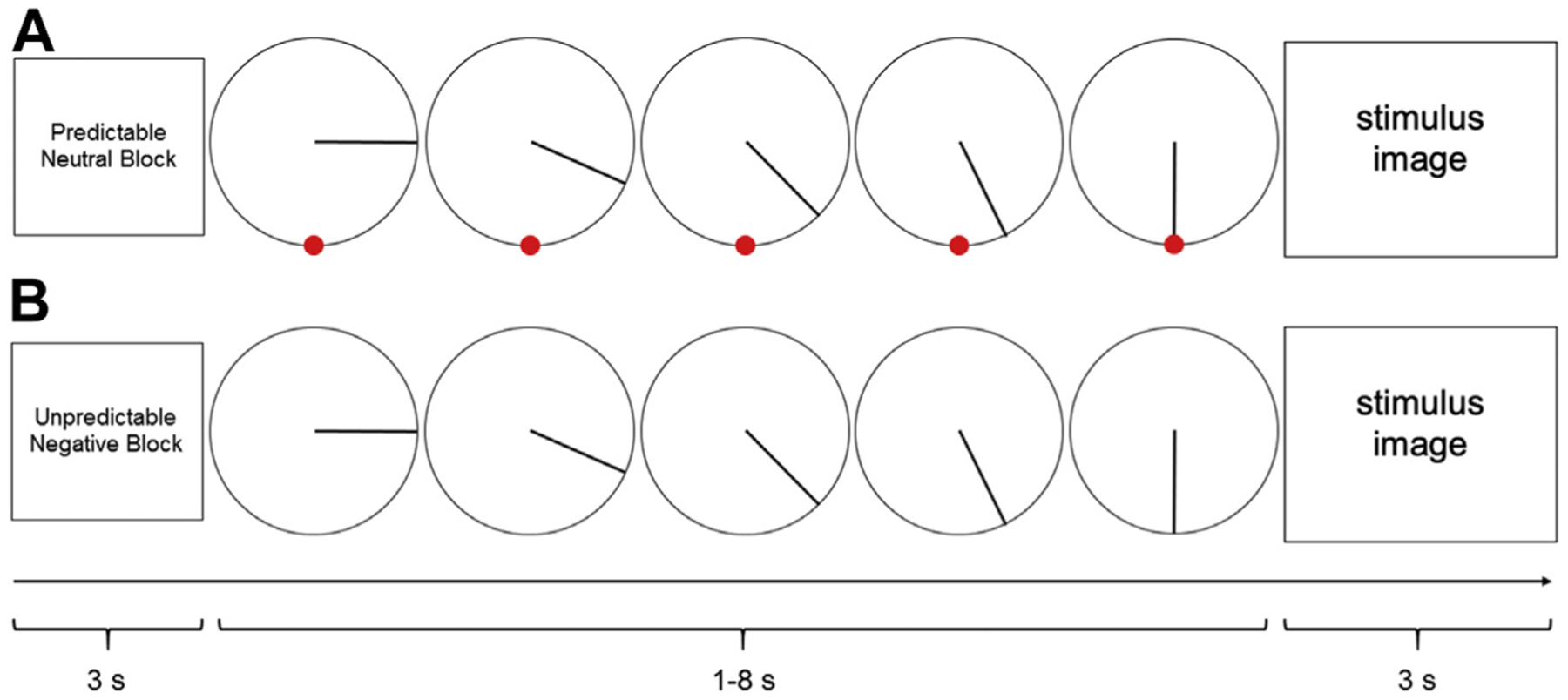
Recently traumatically injured participants (n = 90) completed a picture anticipation task in the magnetic resonance imaging scanner, in which they viewed images presented in a temporally predictable or unpredictable manner. We investigated how neighborhood disadvantage (via area deprivation index [ADI]) was related to neural activation during anticipation and presentation of negative and neutral images after accounting for individual factors (i.e., age, gender, income, acute posttraumatic stress symptoms).
RESULTS:
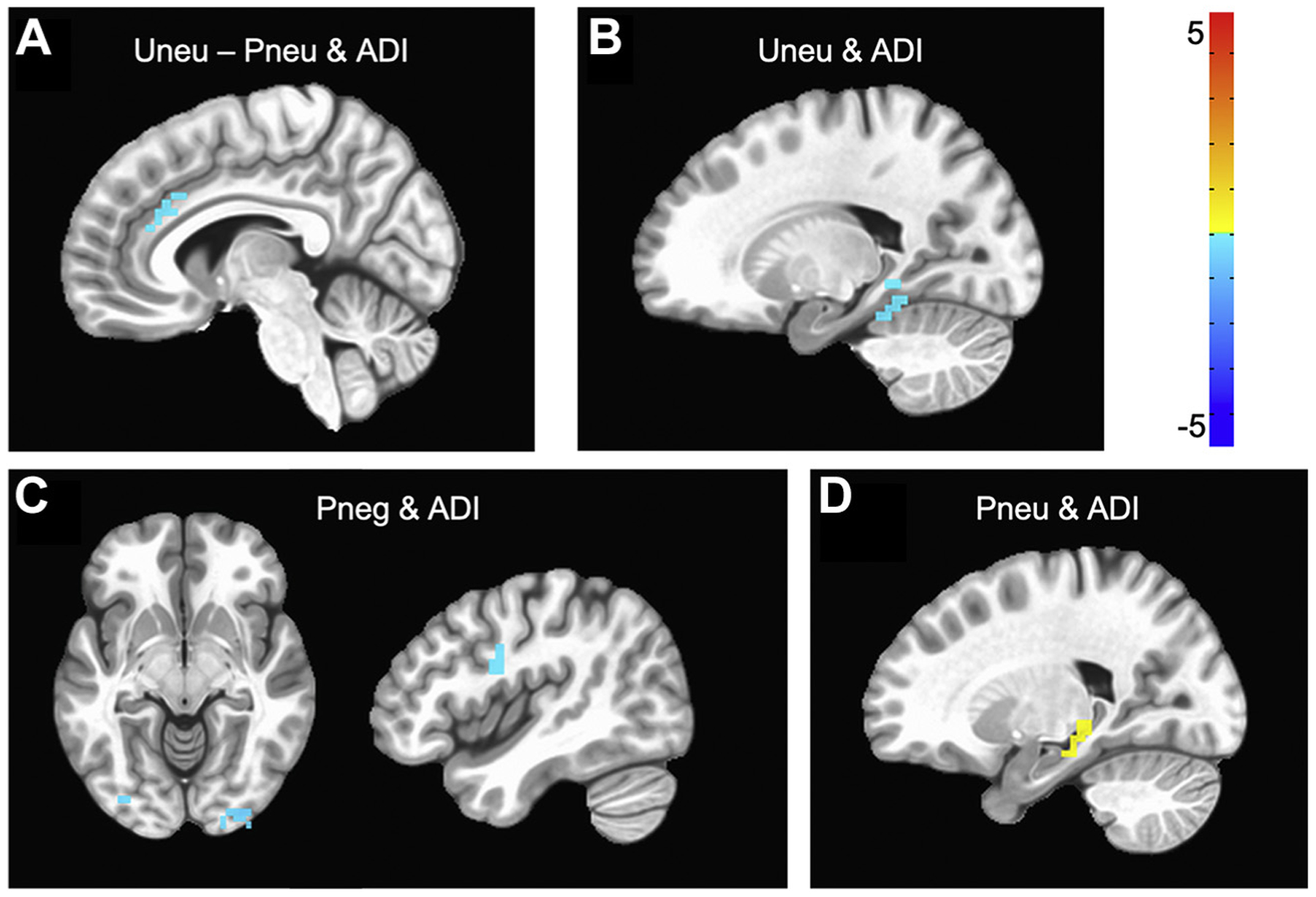
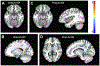
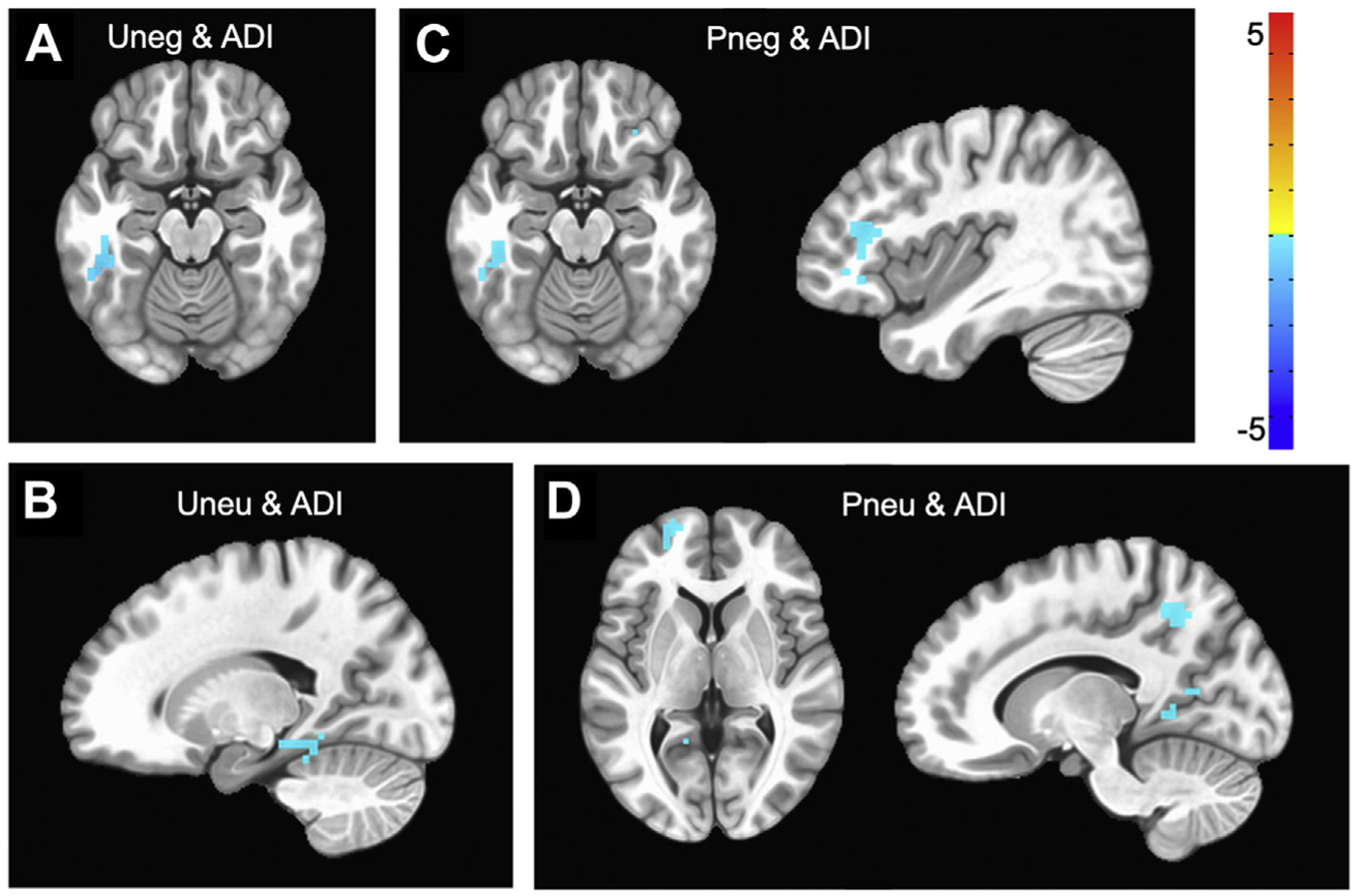
There was a significant interaction during the anticipation period such that higher ADI rankings were related to greater activation of the right anterior cingulate cortex to predictable versus unpredictable neutral stimuli. Although no other robust interactions emerged related to ADI, we note several novel simple effects of ADI during anticipation and presentation periods in the hippocampus and prefrontal, cingulate, and occipital cortices.
CONCLUSIONS:
Together, these results may represent an adaptive response to predictable and/or negative stimuli, stemming from chronic exposure to socioeconomic-based uncertainties. Although effects were modest, future work should continue to examine pretrauma context on posttrauma outcomes. To better understand trauma outcomes, it is imperative that researchers consider the broader context in which trauma survivors reside.
-
Source:Biol Psychiatry Glob Open Sci. 2(3):263-272
-
Pubmed ID:35903110
-
Pubmed Central ID:PMC9328402
-
Document Type:
-
Funding:
-
Volume:2
-
Issue:3
-
Collection(s):
-
Main Document Checksum:urn:sha-512:264e8cceb3efdce5bc53e1c5199e572611c39d8d3146a6f3e9dd5a494ed8f15f0cd8b92bf5c8f0b1c65f88298b2d5e370819b1351e1b87dfd5b2fb02b93f45a2
-
Download URL:
-
File Type:
 [PDF
- 605.81 KB
]
[PDF
- 605.81 KB
]
Supporting Files


File Language:
English
ON THIS PAGE

CDC STACKS serves as an archival repository of CDC-published products including
scientific findings,
journal articles, guidelines, recommendations, or other public health information authored or
co-authored by CDC or funded partners.
As a repository, CDC STACKS retains documents in their original published format to ensure public access to scientific information.
As a repository, CDC STACKS retains documents in their original published format to ensure public access to scientific information.