



Pediatric Nurses’ Fatigue Descriptions in Occupational Injury Reports: A Descriptive Qualitative Study
Supporting Files

-
2024 ; 2024
-
Available in CDC Stacks on 2024-11-14T00:00:00Z
File Language:
English
Details
-
Alternative Title:Work
-
Personal Author:
-
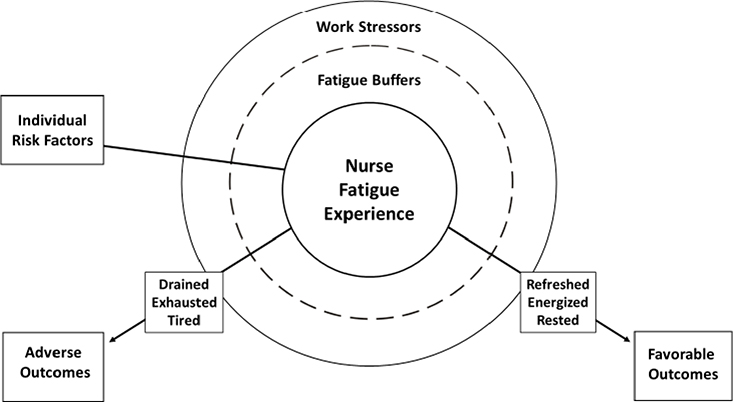
Description:Background: ; Despite the high risks associated with occupational fatigue in healthcare, few organizations require nurses to screen and report fatigue symptoms. As a result, little is known about if and how nurses would report fatigue while on the job. ; Objective: ; To determine if hospital-based pediatric nurses reported fatigue as part of an active injury reporting method. ; Methods: ; This secondary analysis of qualitative data used a descriptive design with content analysis. Data from the parent study were collected at a U.S. pediatric hospital where nurses verbally reported on-shift injuries or near misses and pre- and post-shift health status via a digital voice recorder. Researchers used content analysis to independently code data for nurses’ references to fatigue. Codes were then analyzed for patterns and themes. ; Results: ; Approximately 30% (n=104) of participants reported fatigue-related content. Emergent themes were Work Stressors, Individual Risk Factors, Fatigue Descriptors, Adverse Outcomes from Fatigue, Fatigue Buffers, Descriptors for Buffered Fatigue, and Favorable Outcomes from Buffered Fatigue. Fatigue descriptions align with prior literature, demonstrating the accuracy of the voice recorder data collection method. In addition, nurses expressed uncertainty about the appropriateness of reporting fatigue symptoms. ; Conclusion: ; Findings from this study support pediatric nurses will report fatigue, when provided an opportunity. Additional efforts are needed to better understand effective ways to improve fatigue reporting among nurses, including harnessing current technology for real-time reporting and how to change the culture around fatigue reporting.
-
Subjects:
-
Keywords:
-
Source:Work. 79(3):1307-1321
-
Pubmed ID:38820042
-
Pubmed Central ID:PMC11560710
-
Document Type:
-
Funding:
-
Volume:79
-
Issue:3
-
Download URL:
-
File Type:
 [PDF - 451.57 KB]
 -
Collection(s):
-
Main Document Checksum:urn:sha-512:eaa5bc7d004b54a30f30f1fc0deabe15d728aa0cfa4ca12d5b377cc7cab35d3946b699f837f441e9c551439752300586b8c164f52aec3bbb6e45b629ec8dd22e
Supporting Files


File Language:
English
 Was this page helpful?
 Found an issue?

CDC STACKS serves as an archival repository of CDC-published products including
scientific findings, journal articles, guidelines, recommendations, or other public health information authored or
co-authored by CDC or funded partners.
As a repository, CDC STACKS retains documents in their original published format to ensure public access to scientific information.
As a repository, CDC STACKS retains documents in their original published format to ensure public access to scientific information.
You May Also Like
COLLECTION
CDC Public Access