



Cerebellar EEG source localization reveals age-related compensatory activity moderated by genetic risk for Alzheimer’s disease
Supporting Files

-
12 2023 ; 12-2023
-
Available in CDC Stacks on 2023-12-14T00:00:00Z
File Language:
English
Details
-
Alternative Title:Psychophysiology
-
Personal Author:
-
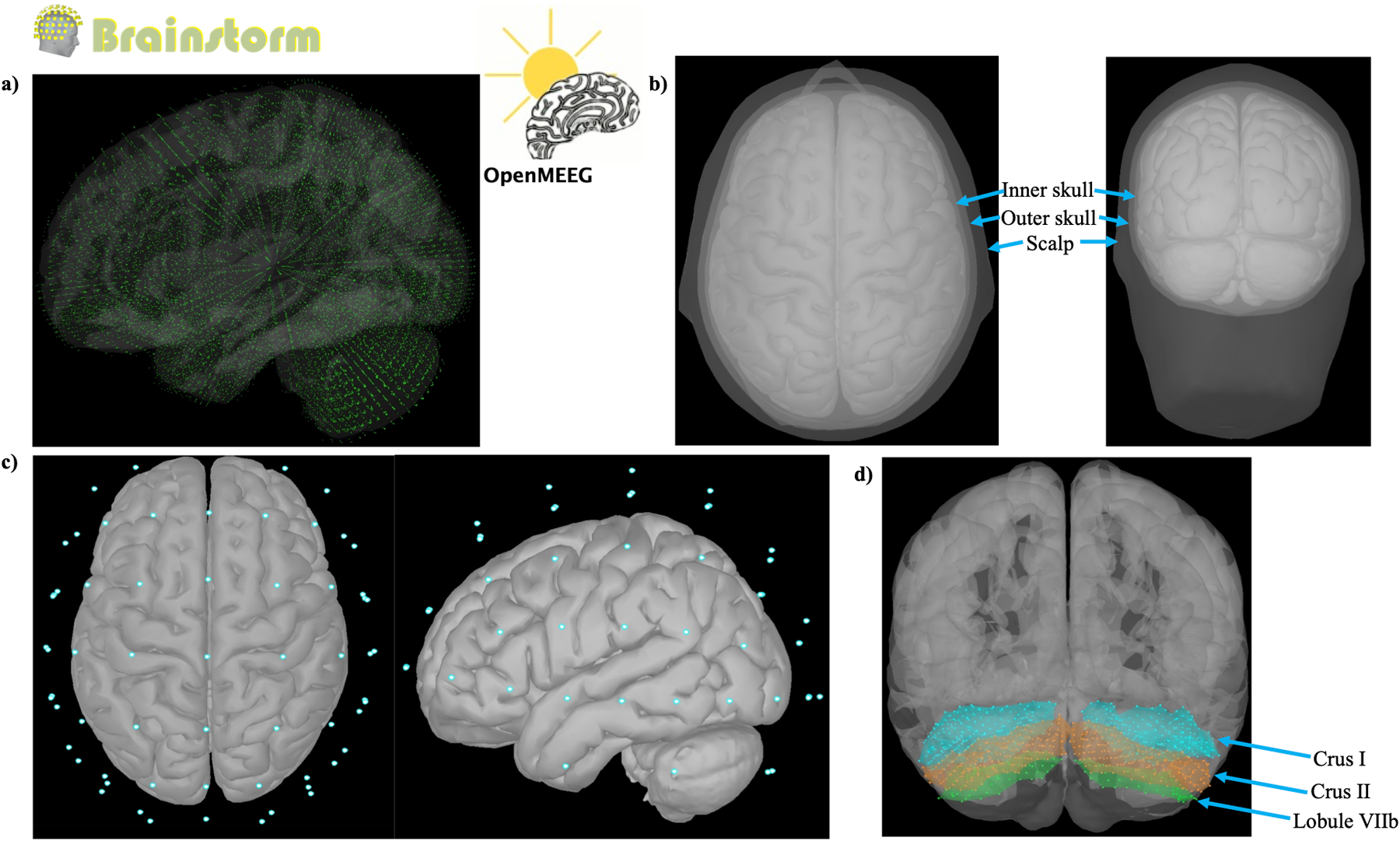
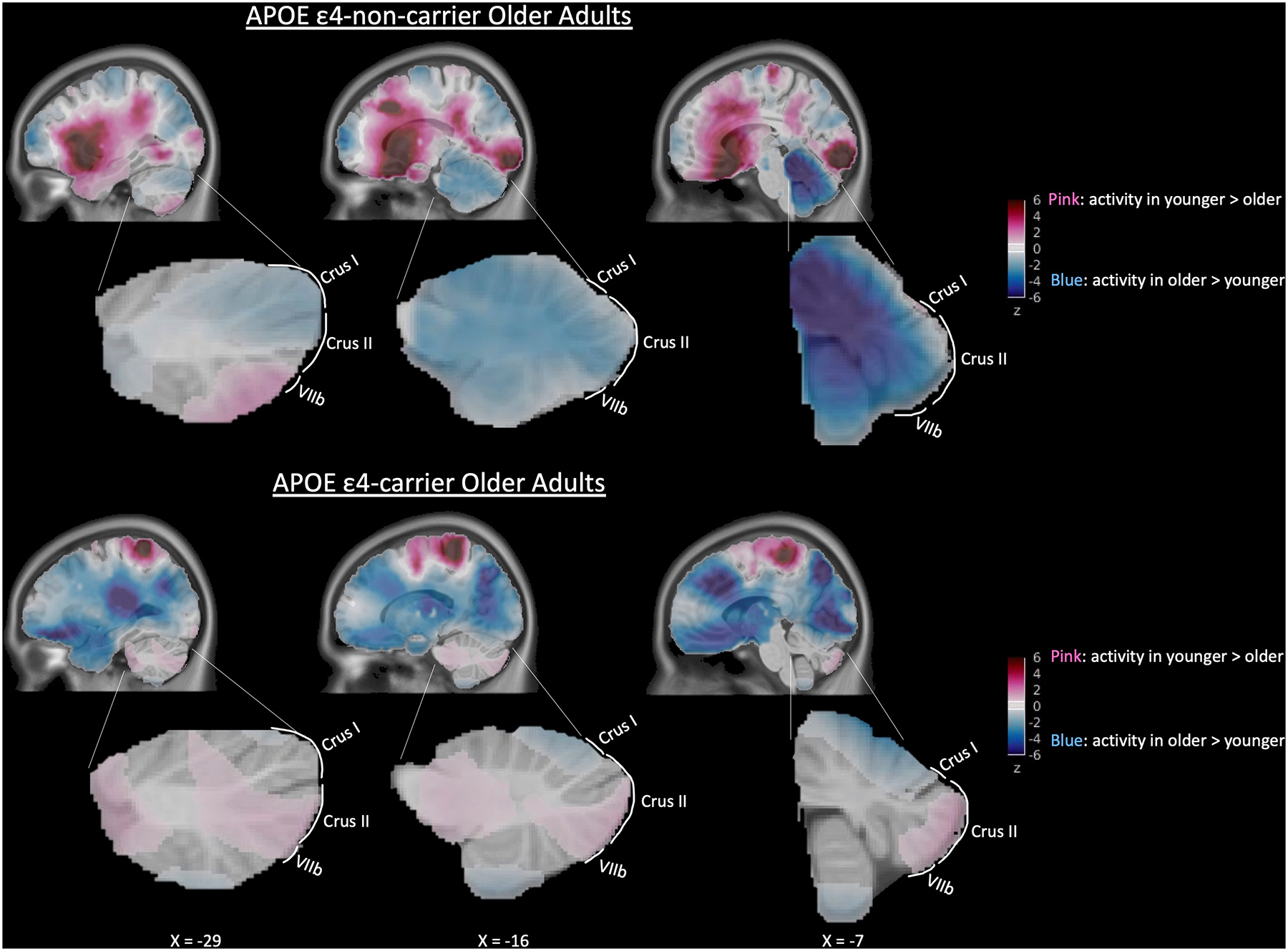
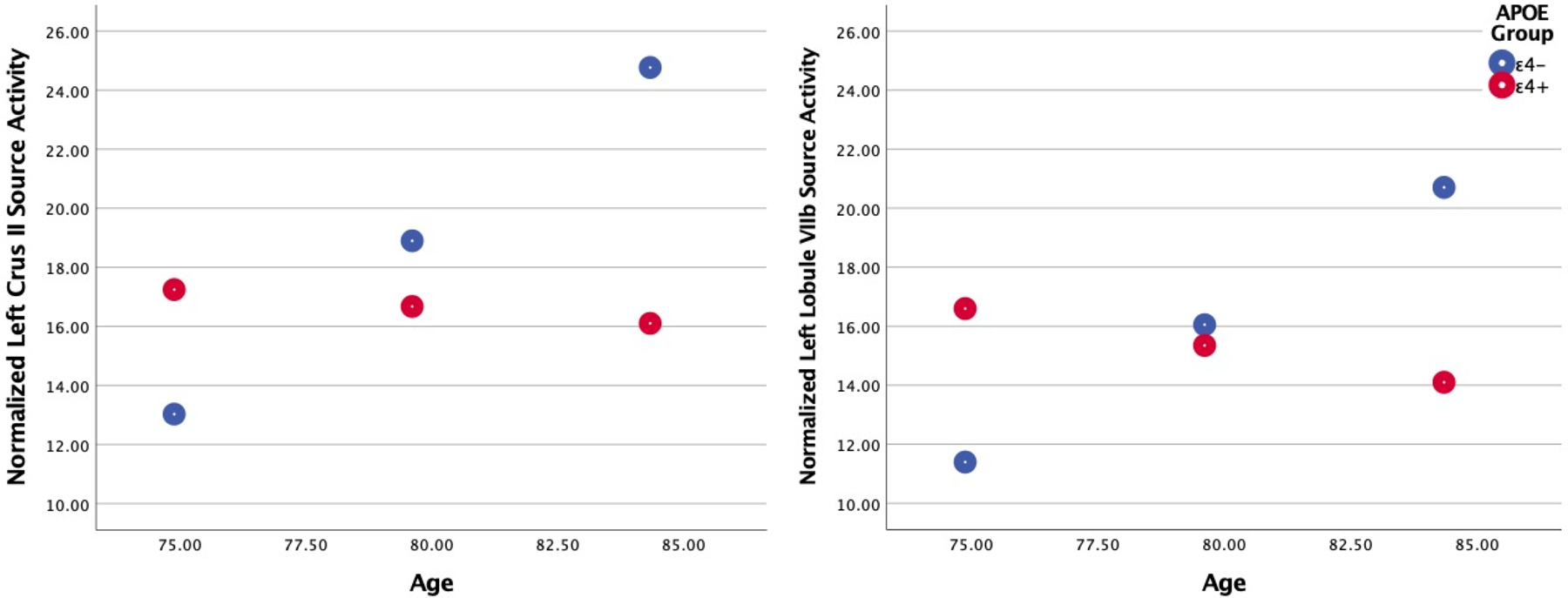
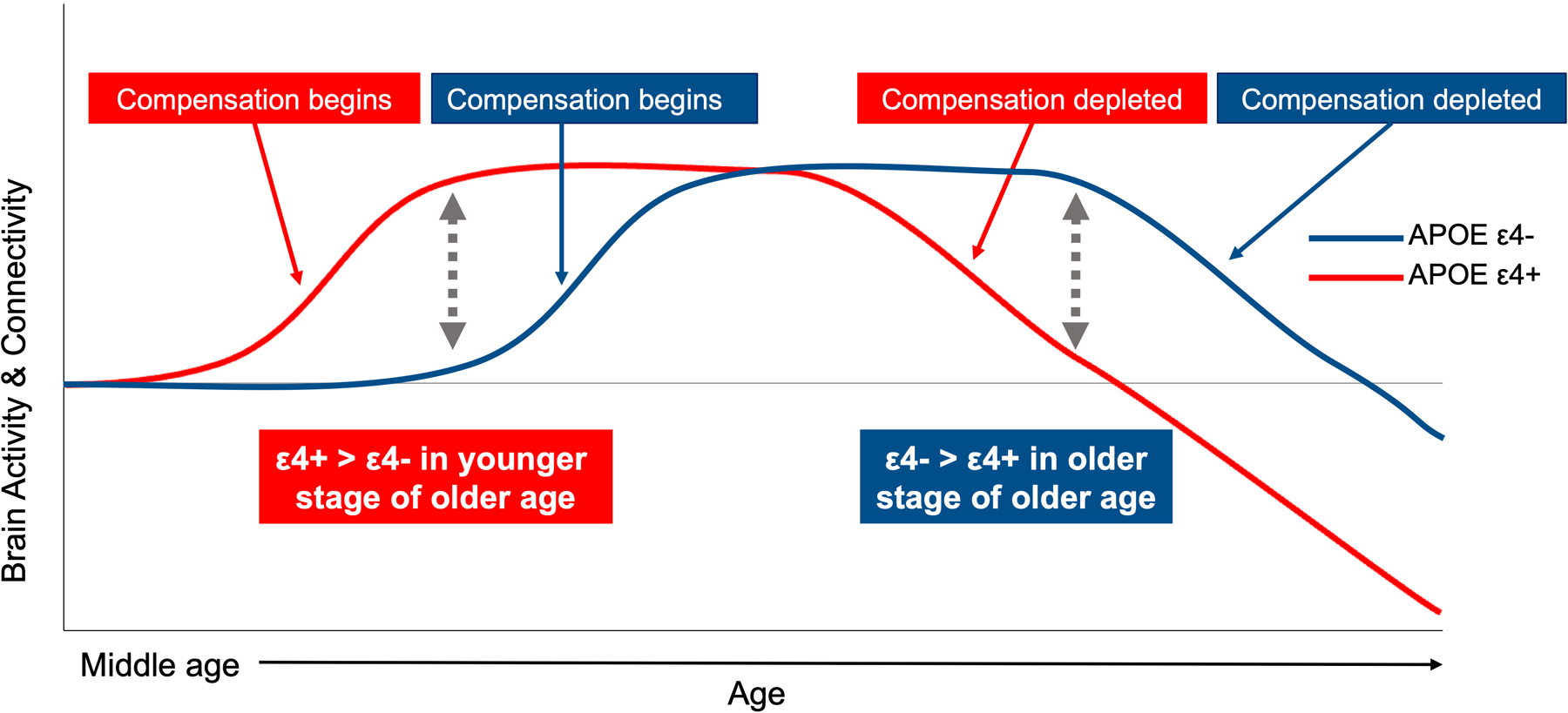
Description:The apolipoprotein-E (APOE) ε4 allele is the greatest genetic risk factor for late-onset Alzheimer's disease (AD), but alone it is not sufficiently predictive. Because neuropathological changes associated with AD begin decades before cognitive symptoms, neuroimaging of healthy, cognitively intact ε4 carriers (ε4+) may enable early characterization of patterns associated with risk for future decline. Research in the cerebral cortex highlights a period of compensatory recruitment in elders and ε4+, which serves to maintain cognitive functioning. Yet, AD-related changes may occur even earlier in the cerebellum. Advances in electroencephalography (EEG) source localization now allow effective modeling of cerebellar activity. Importantly, healthy aging and AD are associated with declines in both cerebellar functions and executive functioning (EF). However, it is not known whether cerebellar activity can detect pre-symptomatic AD risk. Thus, the current study analyzed cerebellar EEG source localization during an EF-dependent stop-signal task (i.e., inhibitory control) in healthy, intact older adults (M| = 80 years; 20 ε4+, 25 ε4-). Task performance was comparable between groups. Older age predicted greater activity in left crus II and lobule VIIb during the P300 window (i.e., performance evaluation), consistent with age-related compensation. Age*ε4 moderations specifically showed that compensatory patterns were evident only in ε4-, suggesting that cerebellar compensatory resources may already be depleted in healthy ε4+ elders. Thus, the posterolateral cerebellum is sensitive to AD-related neural deficits in healthy elders. Characterization of these patterns may be essential for the earliest possible detection of AD risk, which would enable critical early intervention prior to symptom onset.
-
Subjects:
-
Keywords:
-
Source:Psychophysiology. 60(12):e14395
-
Pubmed ID:37493042
-
Pubmed Central ID:PMC10720653
-
Document Type:
-
Funding:
-
Volume:60
-
Issue:12
-
Download URL:
-
File Type:
 [PDF - 1.11 MB]
 -
Collection(s):
-
Main Document Checksum:urn:sha-512:f5f9800e7ee739ce073106546d8123e16a91e4359e1494e0e63c593d93b5d28ec0fa30b6b82e3caf522105f0b595f7599be8e1ae22121dc17cc72eed5b7b07d6
Supporting Files


File Language:
English
 Was this page helpful?
 Found an issue?

CDC STACKS serves as an archival repository of CDC-published products including
scientific findings, journal articles, guidelines, recommendations, or other public health information authored or
co-authored by CDC or funded partners.
As a repository, CDC STACKS retains documents in their original published format to ensure public access to scientific information.
As a repository, CDC STACKS retains documents in their original published format to ensure public access to scientific information.
You May Also Like
COLLECTION
CDC Public Access