



Morbidity and Mortality Weekly Report (MMWR): Recommendations and Reports / Vol. 72 / No. 4, November 3, 2023
Supporting Files
Public Domain

-
11/03/2023
File Language:
English
Details
-
Alternative Title:CDC Recommendations for Hepatitis C Testing Among Perinatally Exposed Infants and Children — United States, 2023
-
Journal Article:Morbidity and Mortality Weekly Report (MMWR): Recommendations and Reports
-
Personal Author:Panagiotakopoulos, Lakshmi ; Sandul, Amy L ; Conners, Erin E. ; Foster, Monique A. ; Nelson, Noele P. ; Wester, Carolyn ; Barnett, Elizabeth ; Jhaveri, Ravi ; Lazenby, Gwen ; Lee, Christine ; Mourad, Wael ; Ratner, Adam
-
Corporate Authors:
-
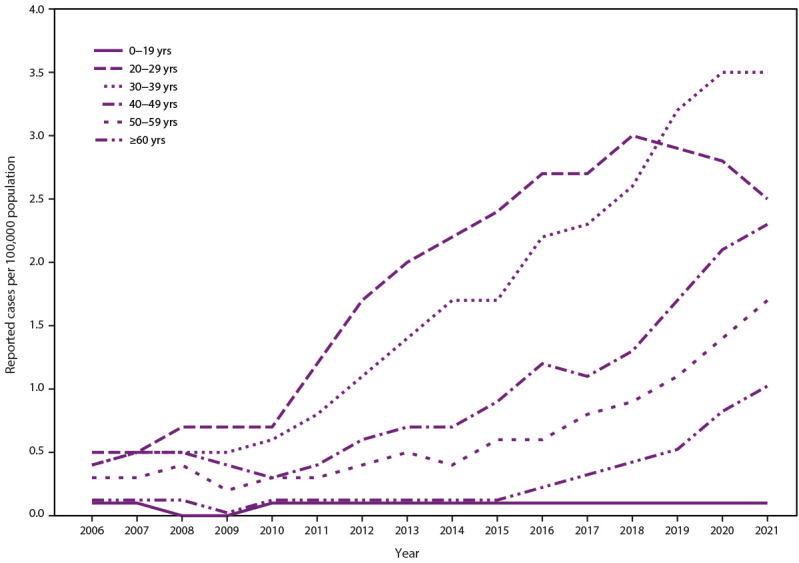
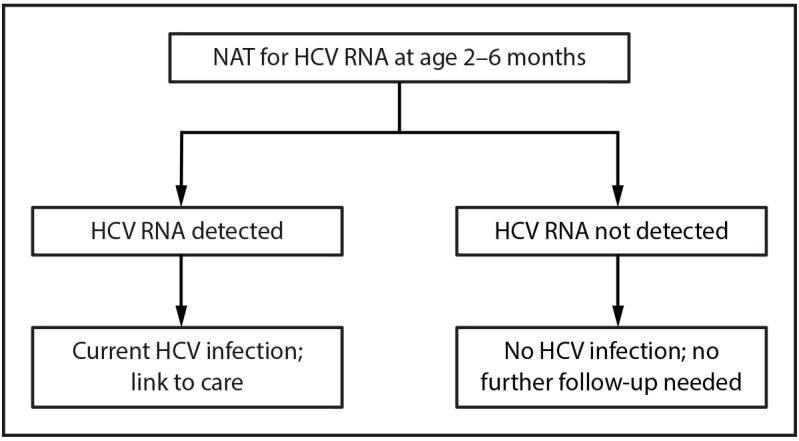
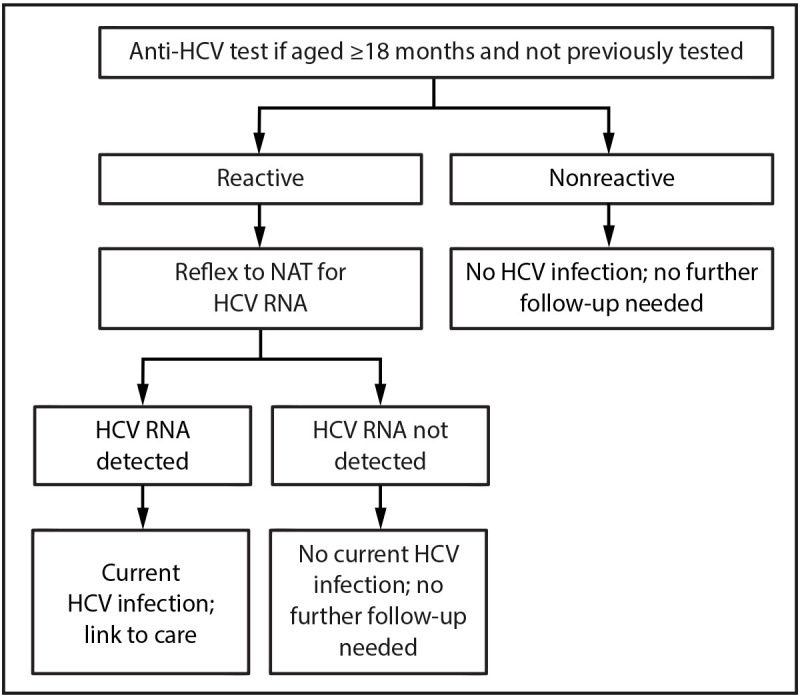
Description:The elimination of hepatitis C is a national priority (https://www.hhs.gov/sites/default/files/Viral-Hepatitis-National-Strategic-Plan-2021-2025.pdf). During 2010-2021, hepatitis C virus (HCV) acute and chronic infections (hereinafter referred to as HCV infections) increased in the United States, consequences of which include cirrhosis, liver cancer, and death. Rates of acute infections more than tripled among reproductive-aged persons during this time (from 0.8 to 2.5 per 100,000 population among persons aged 20-29 years and from 0.6 to 3.5 among persons aged 30-39 years). Because acute HCV infection can lead to chronic infection, this has resulted in increasing rates of HCV infections during pregnancy. Approximately 6%-7% of perinatally exposed (i.e., exposed during pregnancy or delivery) infants and children will acquire HCV infection. Curative direct-acting antiviral therapy is approved by the Food and Drug Administration for persons aged ≥3 years. However, many perinatally infected children are not tested or linked to care. In 2020, because of continued increases in HCV infections in the United States, CDC released universal screening recommendations for adults, which included recommendations for screening for pregnant persons during each pregnancy (Schillie S, Wester C, Osborne M, Wesolowski L, Ryerson AB. CDC recommendations for hepatitis C screening among adults-United States, 2020. MMWR Recomm Rep 2020;69No. RR-2:1-17). This report introduces four new CDC recommendations: 1) HCV testing of all perinatally exposed infants with a nucleic acid test (NAT) for detection of HCV RNA at age 2-6 months; 2) consultation with a health care provider with expertise in pediatric hepatitis C management for all infants and children with detectable HCV RNA; 3) perinatally exposed infants and children with an undetectable HCV RNA result at or after age 2 months do not require further follow-up unless clinically warranted; and 4) a NAT for HCV RNA is recommended for perinatally exposed infants and children aged 7-17 months who previously have not been tested, and a hepatitis C virus antibody (anti-HCV) test followed by a reflex NAT for HCV RNA (when anti-HCV is reactive) is recommended for perinatally exposed children aged ≥18 months who previously have not been tested. Proper identification of perinatally infected children, referral to care, and curative treatment are critical to achieving the goal of hepatitis C elimination.
-
Subjects:
-
Source:Morbidity and Mortality Weekly Report (MMWR): Recommendations and Reports, 2023; v. 72, no. 4
-
Series:
-
DOI:
-
ISSN:1057-5987 (print) ; 1545-8601 (digital)
-
Pubmed ID:37906518
-
Pubmed Central ID:PMC10683764
-
Document Type:
-
Genre:
-
Place as Subject:
-
Pages in Document:22 pdf page
-
Volume:72
-
Issue:4
-
Download URL:
-
File Type:
 [PDF - 1.19 MB]
 -
Collection(s):
-
Main Document Checksum:urn:sha-512:00b6d965009462de412c7cf7868a1cc1e800a5e7da1030e864c15078f375c43c9937b6d88f5993dacf2086466aa3b98d65478db05d0b4b3cf1a074644f53e6d9
Supporting Files


File Language:
English
 Was this page helpful?
 Found an issue?

CDC STACKS serves as an archival repository of CDC-published products including
scientific findings, journal articles, guidelines, recommendations, or other public health information authored or
co-authored by CDC or funded partners.
As a repository, CDC STACKS retains documents in their original published format to ensure public access to scientific information.
As a repository, CDC STACKS retains documents in their original published format to ensure public access to scientific information.
You May Also Like
COLLECTION
Morbidity and Mortality Weekly Report (MMWR)