



Next Generation 3D-Printed Intravaginal Ring for Prevention of HIV and Unintended Pregnancy
Supporting Files

-
10 2023 ; 10-2023
-
Available in CDC Stacks on November 05, 2024, 12:00 AM
File Language:
English
Details
-
Alternative Title:Biomaterials
-
Personal Author:Young, Isabella C. ; Srinivasan, Priya ; Shrivastava, Roopali ; Janusziewicz, Rima ; Thorson, Allison ; Cottrell, Mackenzie L. ; Sellers, Rani S. ; Sykes, Craig ; Schauer, Amanda ; Little, Dawn ; Kelley, Kristen ; Kashuba, Angela D. M. ; Katz, David ; Pyles, Richard B. ; García-Lerma, J. Gerardo ; Vincent, Kathleen L. ; Smith, James ; Benhabbour, S. Rahima
-
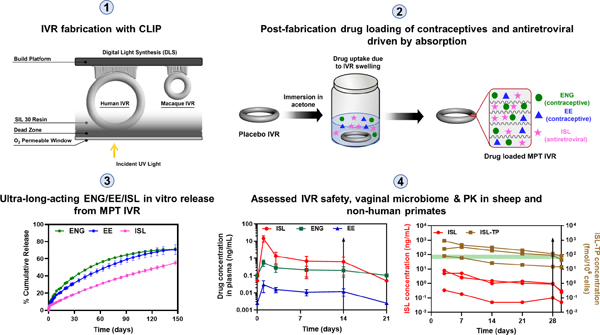
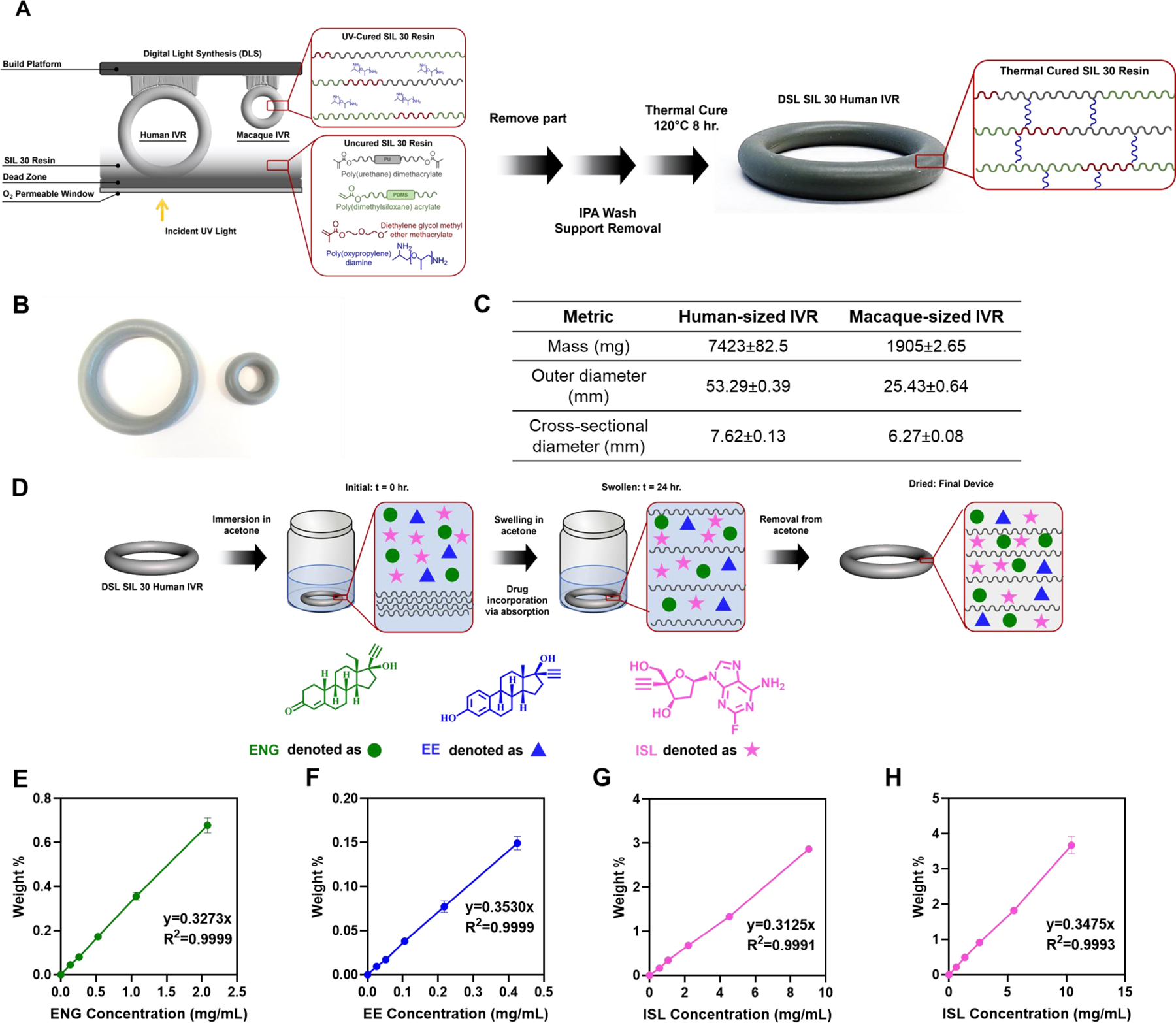
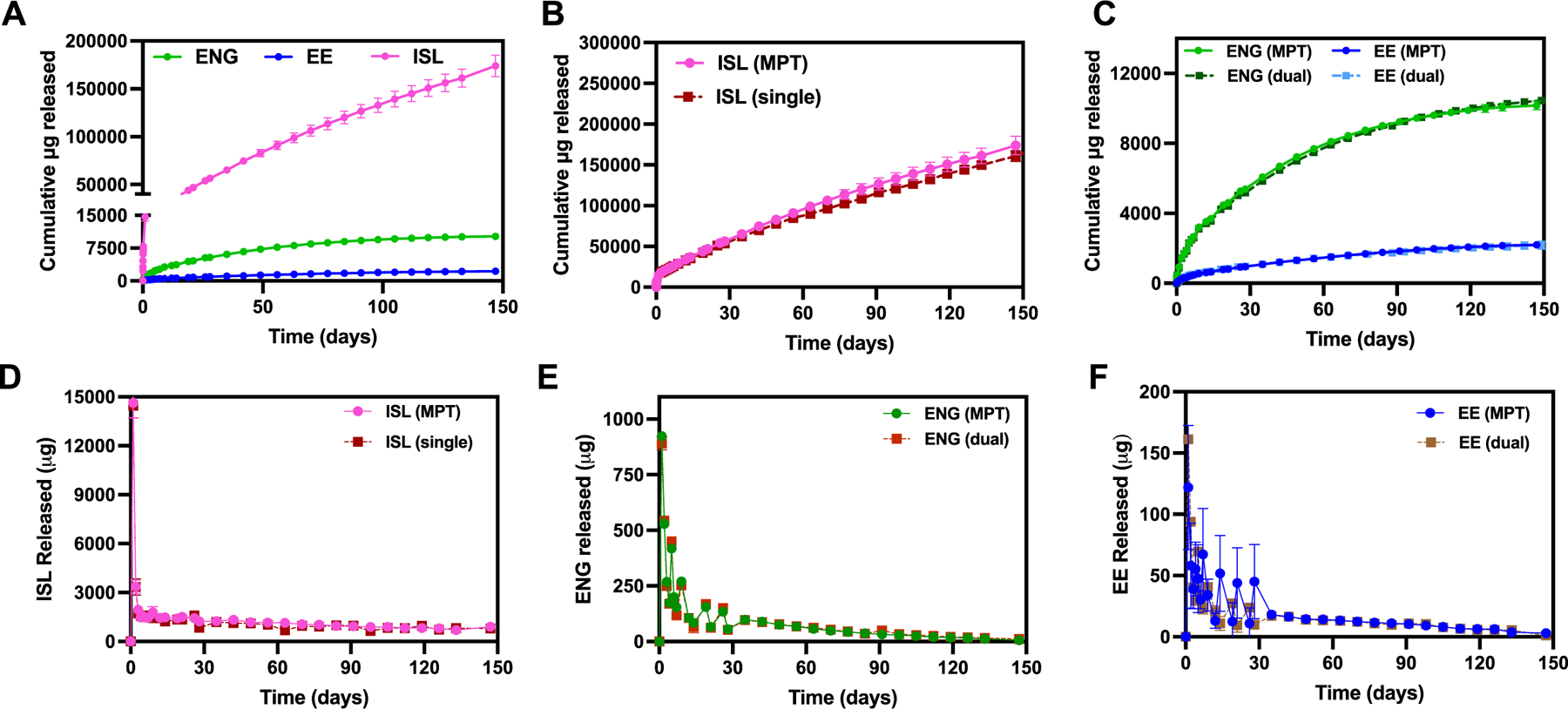
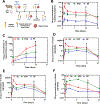
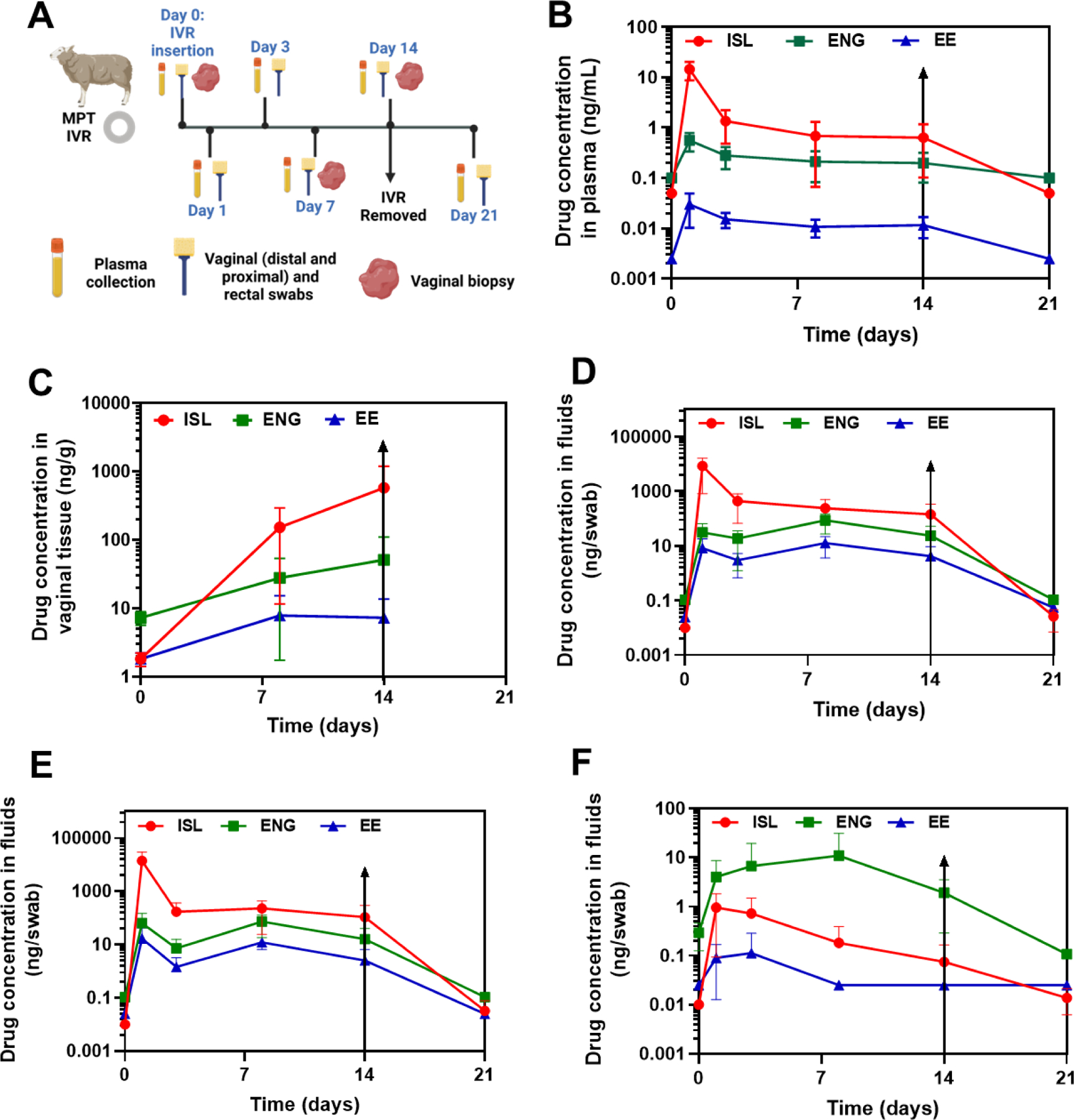
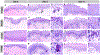
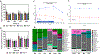
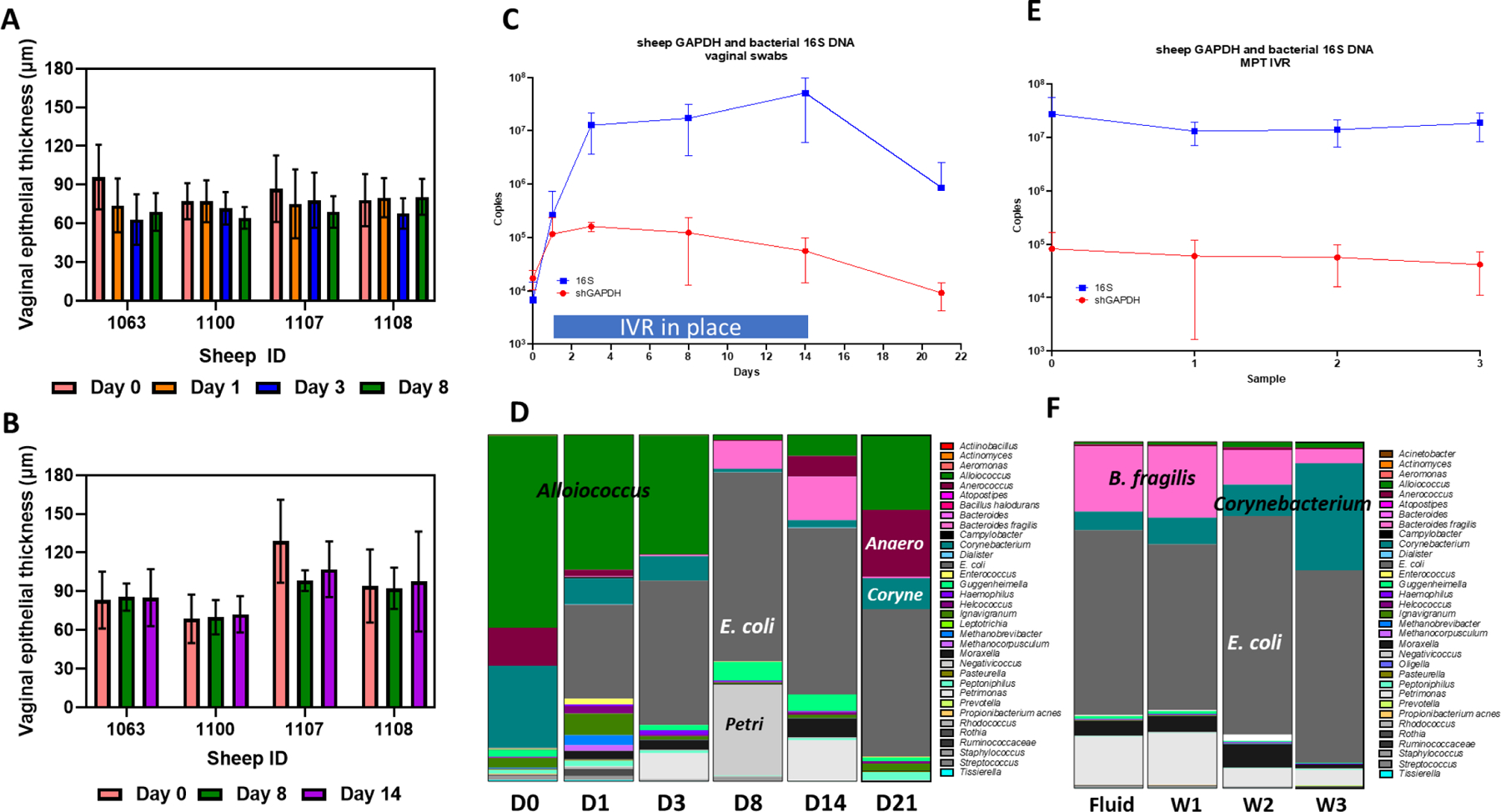
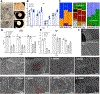
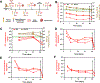
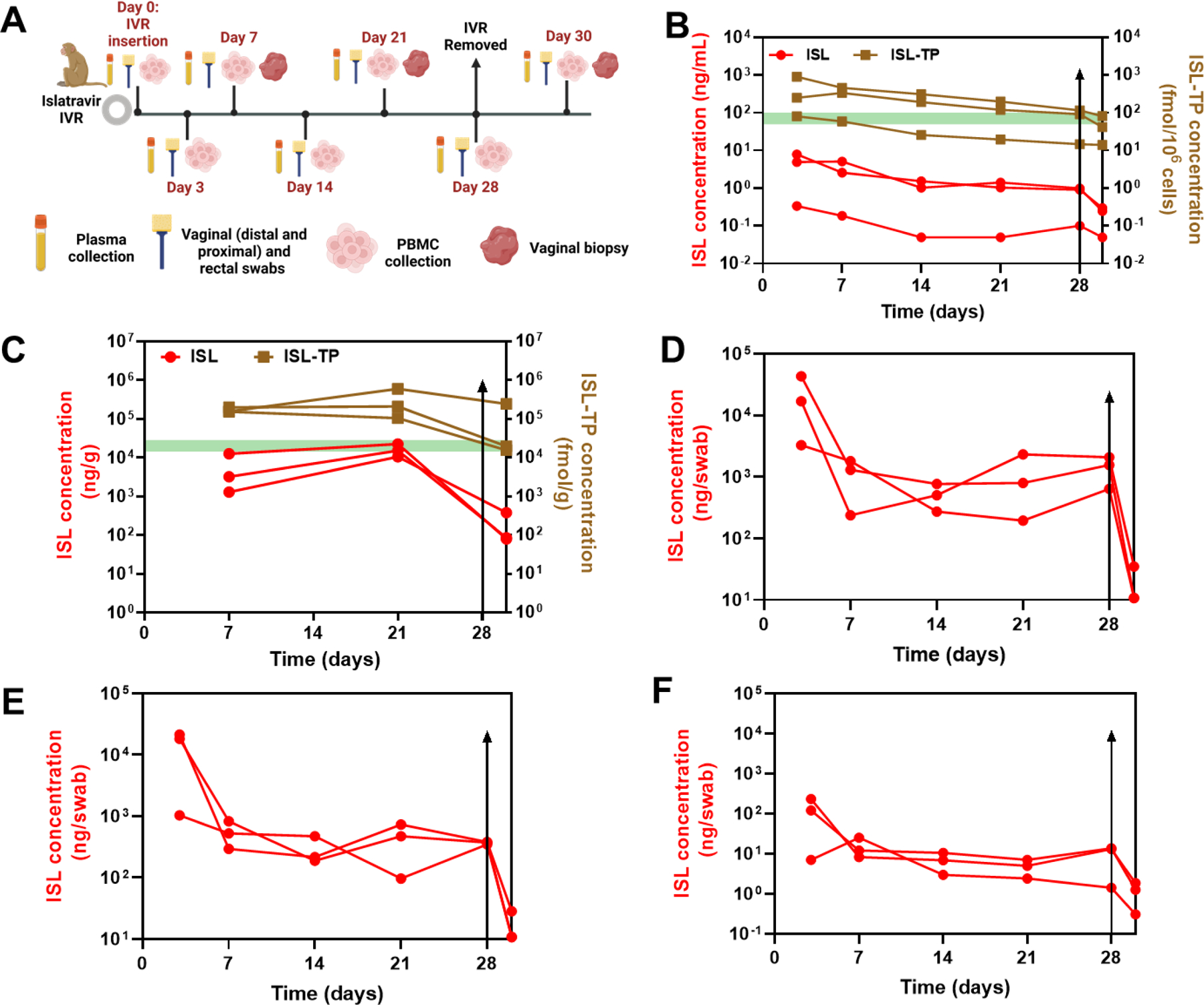
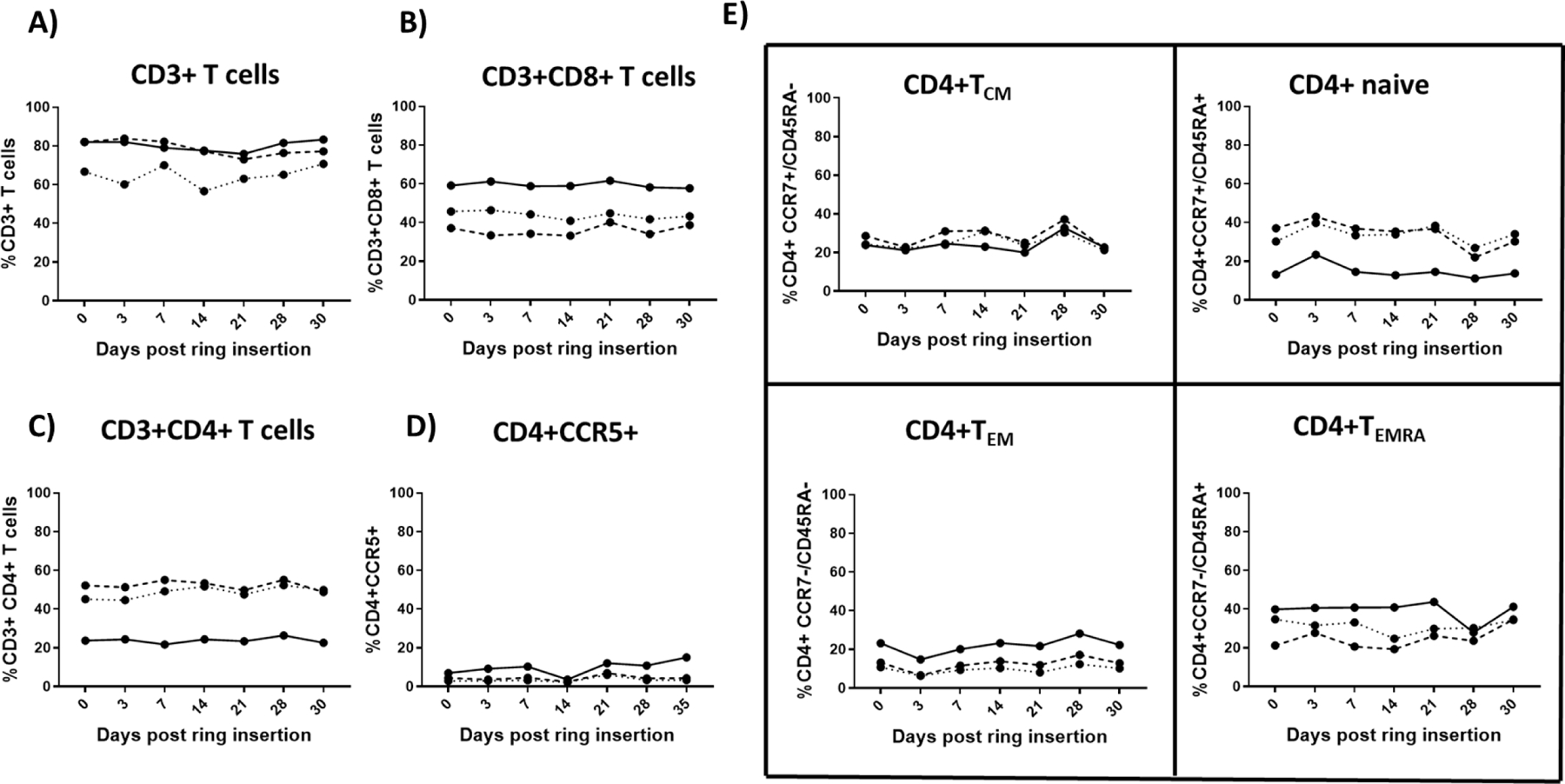
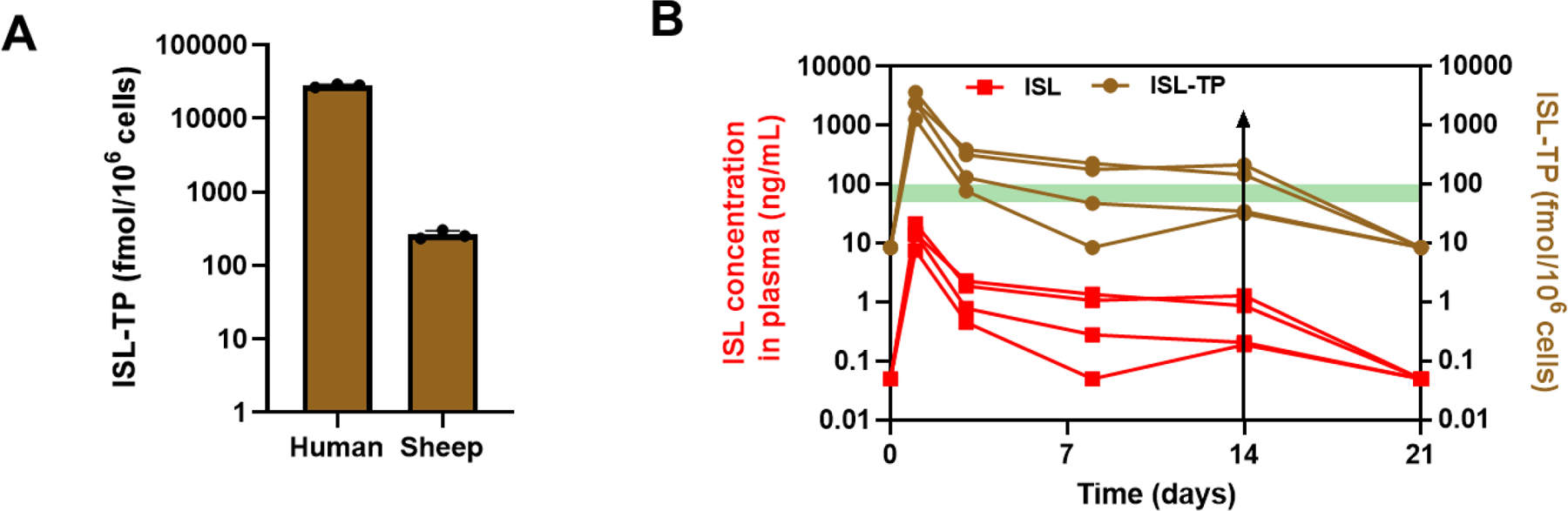
Description:Globally, there are 20 million adolescent girls and young women living with HIV who have limited access to long-acting, effective, women-controlled preventative methods. Additionally, although there are many contraceptive methods available, globally, half of all pregnancies remain unintended. Here we report the first 3D-printed multipurpose prevention technology (MPT) intravaginal ring (IVR) for HIV prevention and contraception. We utilized continuous liquid interface production (CLIP™) to fabricate MPT IVRs in a biocompatible silicone-based resin. Etonogestrel (ENG), ethinyl estradiol (EE), and islatravir (ISL) were loaded into the silicone poly(urethane) IVR in a controlled single step drug loading process driven by absorption. ENG/EE/ISL IVR promoted sustained release of drugs for 150 days in vitro and 14 days in sheep. There were no adverse MPT IVR-related findings of cervicovaginal toxicity or changes in vaginal biopsies or microbiome community profiles evaluated in sheep. Furthermore, ISL IVR in macaques promoted sustained release for 28 days with ISL-triphosphate levels above the established pharmacokinetic benchmark of 50-100 fmol/10| PBMCs. The ISL IVR was found to be safe and well tolerated in the macaques with no observed mucosal cytokine changes or alterations in peripheral CD4 T-cell populations. Collectively, the proposed MPT IVR has potential to expand preventative choices for young women and girls.
-
Subjects:
-
Keywords:
-
Source:Biomaterials. 301:122260
-
Pubmed ID:37549505
-
Pubmed Central ID:PMC11537264
-
Document Type:
-
Funding:
-
Volume:301
-
Download URL:
-
File Type:
 [PDF - 3.05 MB]
 -
Collection(s):
-
Main Document Checksum:urn:sha-512:a8b9e0f158dcd95600a13a97a71bb737580fd1917807e9076bdca70fb9e0da86b0f071ea65d5ab85bef817046047dcfd78e7319cdac19f663ead32160e2f4ccd
Supporting Files


File Language:
English
 Was this page helpful?
 Found an issue?



CDC STACKS serves as an archival repository of CDC-published products including
scientific findings, journal articles, guidelines, recommendations, or other public health information authored or
co-authored by CDC or funded partners.
As a repository, CDC STACKS retains documents in their original published format to ensure public access to scientific information.
As a repository, CDC STACKS retains documents in their original published format to ensure public access to scientific information.
You May Also Like
COLLECTION
CDC Public Access