



Child-Focused and Economic Stability Service Requests and Barriers to Service Access Among Intimate Partner Violence Survivors With and Without Children, 2017–2021
Supporting Files

-
8 2024 ; 8-2024
-
Available in CDC Stacks on 2024-10-23T00:00:00Z

File Language:
English
Details
-
Alternative Title:J Fam Violence
-
Personal Author:
-
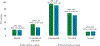
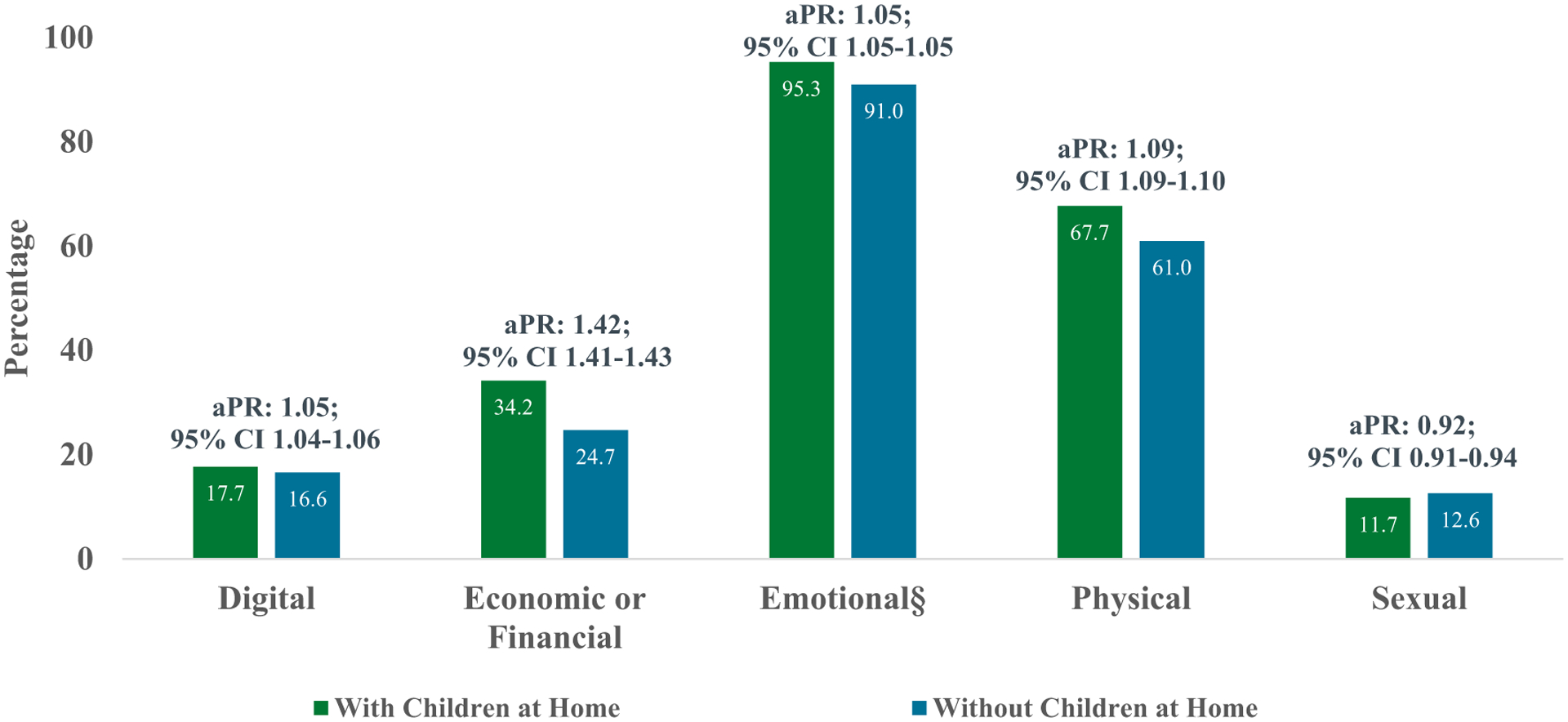
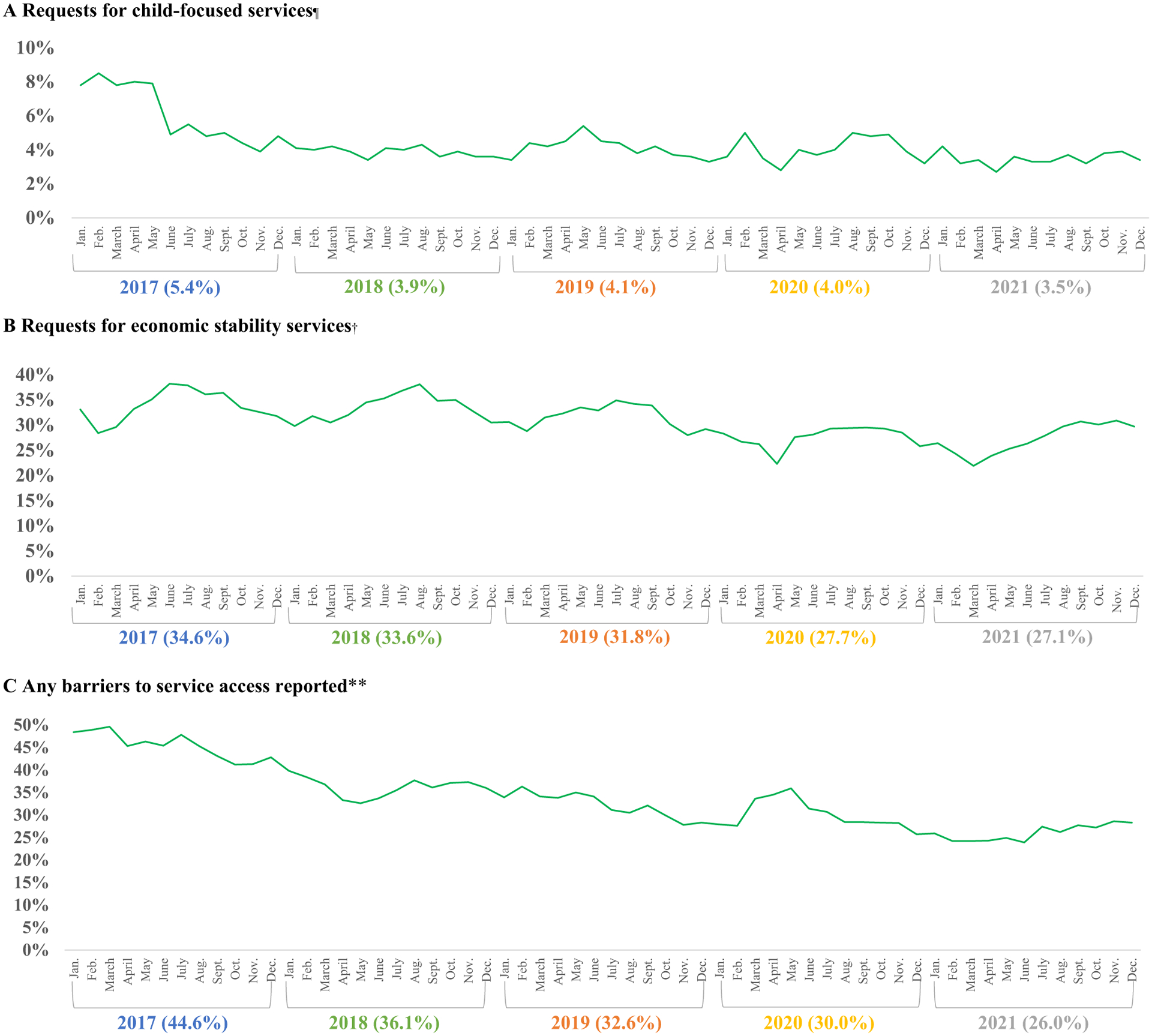
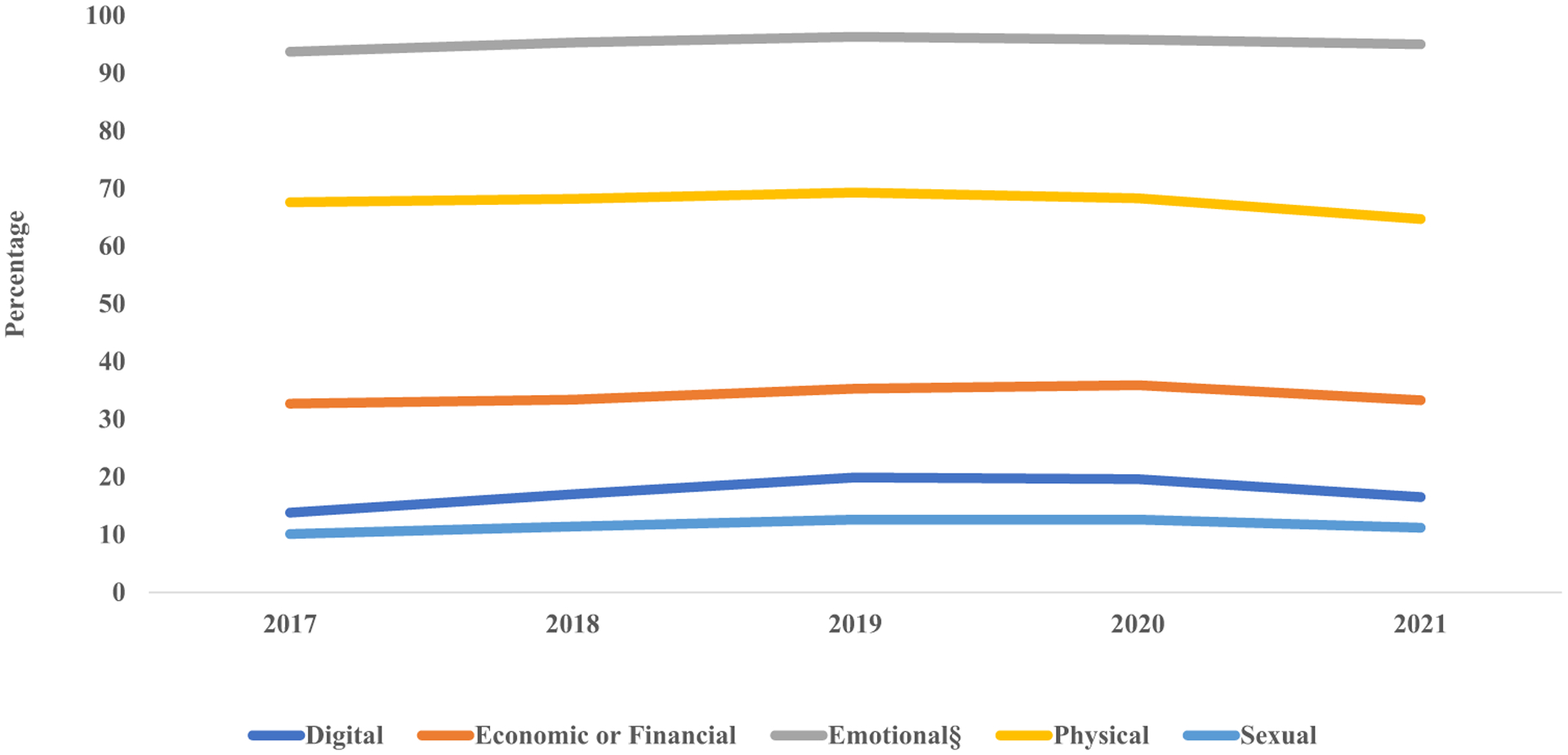
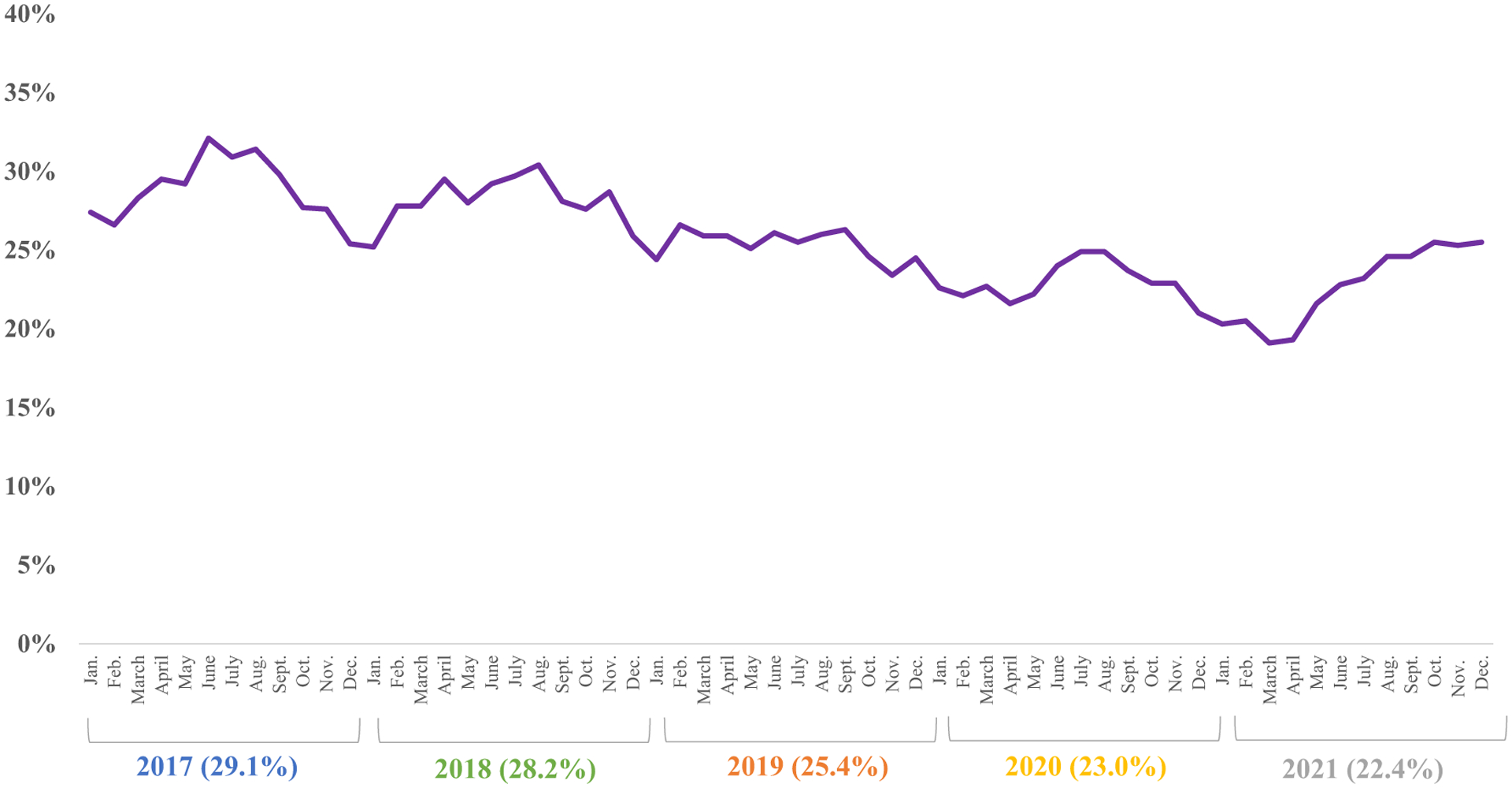
Description:Purpose ; Intimate partner violence (IPV) exposure in childhood is common, with impacts on lifespan well-being. However, there are knowledge gaps about needs and barriers to services for IPV survivors with children. ; Method ; We analyzed data from adults aged ≥ 19 years who resided in the U.S., were experiencing IPV, and who contacted the National Domestic Violence Hotline from 1/1/2017–12/31/2021 (N = 599,207). Adjusted prevalence ratios (aPRs) and 95% CIs were calculated to compare differences in IPV exposure, service requests, and service access barriers for IPV survivors with and without children at home, adjusting for age, gender, and race/ethnicity. We examined time trends (2017–2021), with comparisons before and during the COVID-19 pandemic. ; Results ; Many adult IPV survivors (42.6%) reported having a child at home; survivors with children reported greater polyvictimization (mean IPV types: 2.27, SD: 1.03) than those without children (M: 2.06, SD: 1.04). A small proportion of those with children requested support identifying child-focused services (4.1%); a greater proportion of those with children (30.8%) requested economic stability services compared to those without children (25.2%) (aPR: 1.16, 95% CI: 1.15–1.17). Additionally, 33.1% of survivors with children at home reported having any service access barrier; this was 16% higher than adult IPV survivors without children (28.7%) (aPR: 1.16, 95% CI: 1.15–1.17). There were changes over time, including during the COVID-19 pandemic. ; Conclusions ; IPV survivors with children need additional supports; organizations serving IPV survivors with children may consider the unique needs and victimization profile of this population when designing interventions and services.
-
Keywords:
-
Source:J Fam Violence. 39(6):1145-1163
-
Pubmed ID:39445137
-
Pubmed Central ID:PMC11497963
-
Document Type:
-
Funding:
-
Volume:39
-
Issue:6
-
Download URL:
-
File Type:
 [PDF - 1.40 MB]
 -
Collection(s):
-
Main Document Checksum:urn:sha-512:2af3e41b098c43fe69966226e1acce11c9ed370343668433d7fe37c2f7a11aa99334003bc91969d091521a58bc07bf34be2134fb707db418eace331eb3932da5
Supporting Files


File Language:
English
 Was this page helpful?
 Found an issue?





CDC STACKS serves as an archival repository of CDC-published products including
scientific findings, journal articles, guidelines, recommendations, or other public health information authored or
co-authored by CDC or funded partners.
As a repository, CDC STACKS retains documents in their original published format to ensure public access to scientific information.
As a repository, CDC STACKS retains documents in their original published format to ensure public access to scientific information.
You May Also Like
COLLECTION
CDC Public Access