



Novel Characterization of Socioecological Determinants of Health in Rural Alabama
Supporting Files

-
9 2024 ; 9-2024
-
Available in CDC Stacks on 2025-09-01T00:00:00Z
File Language:
English
Details
-
Alternative Title:J Surg Res
-
Personal Author:English, Nathan C. ; Smith, Burkely P. ; Jones, Bayley A. ; Oslock, Wendelyn ; Hollis, Robert H. ; Wood, Lauren ; Rubyan, Michael ; Kennedy, Gregory ; Kaushik, Manu ; Gibson, Quince-Xhosa ; Swenson, Lacey ; Chu, Daniel I.
-
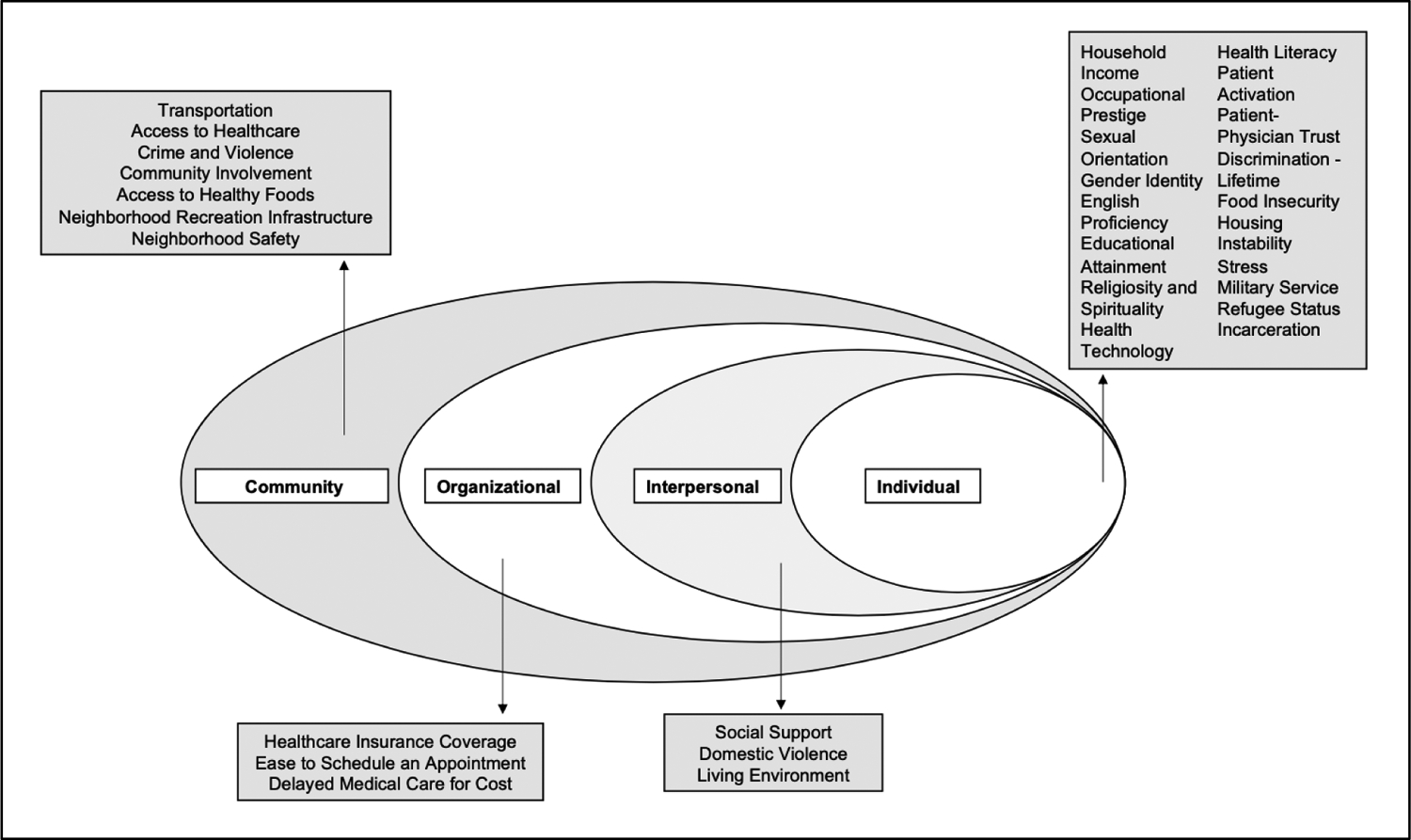
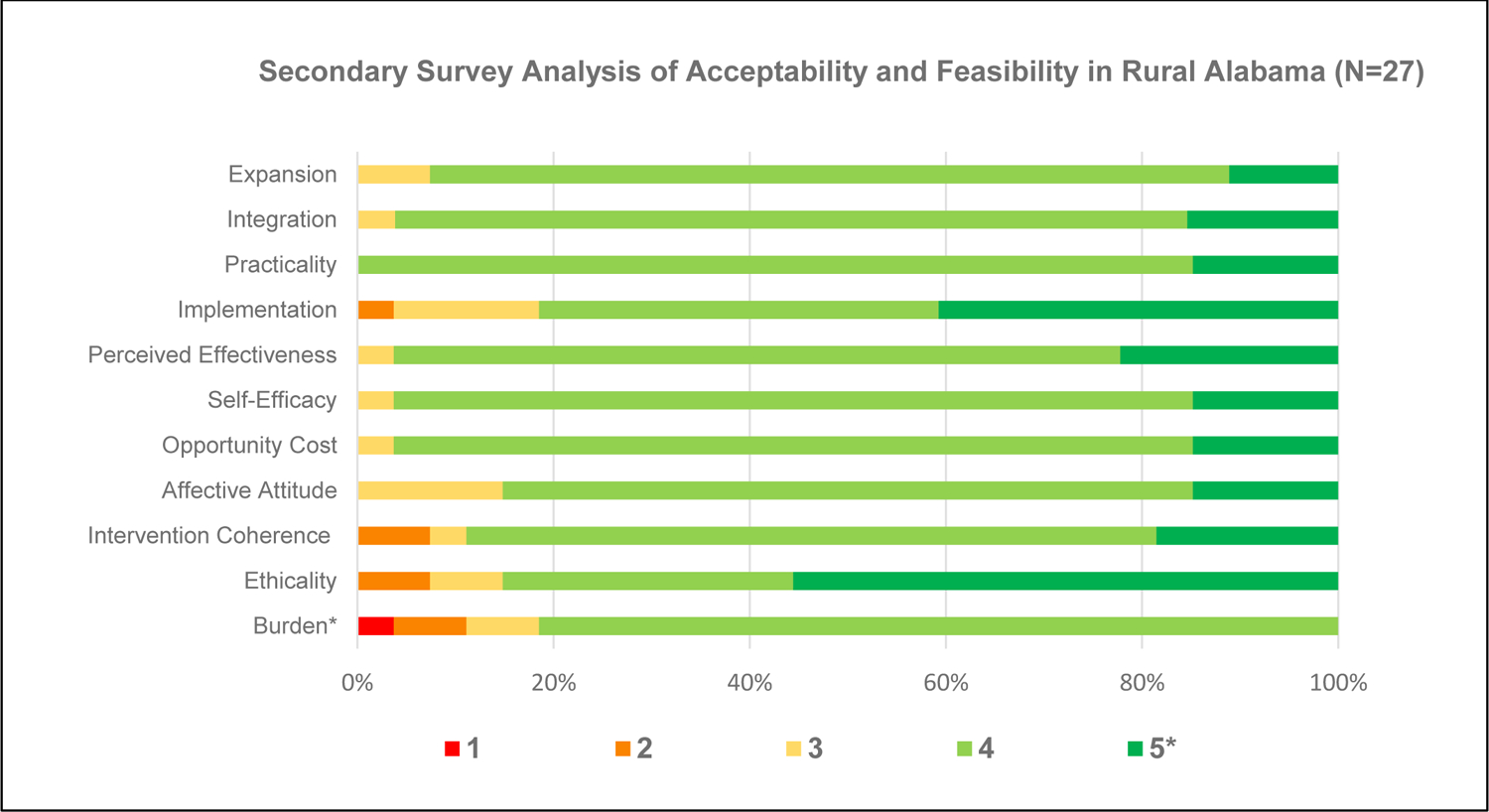
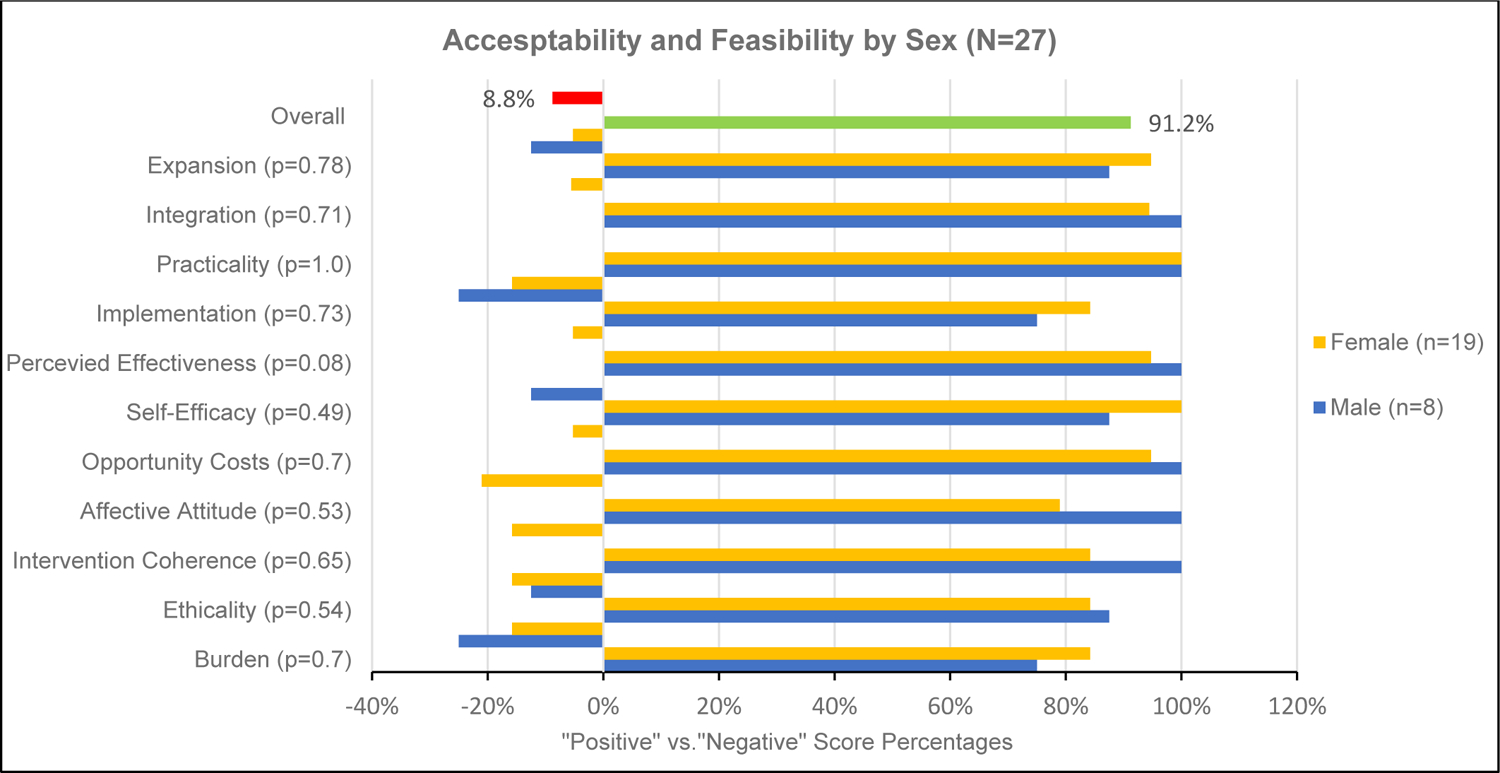
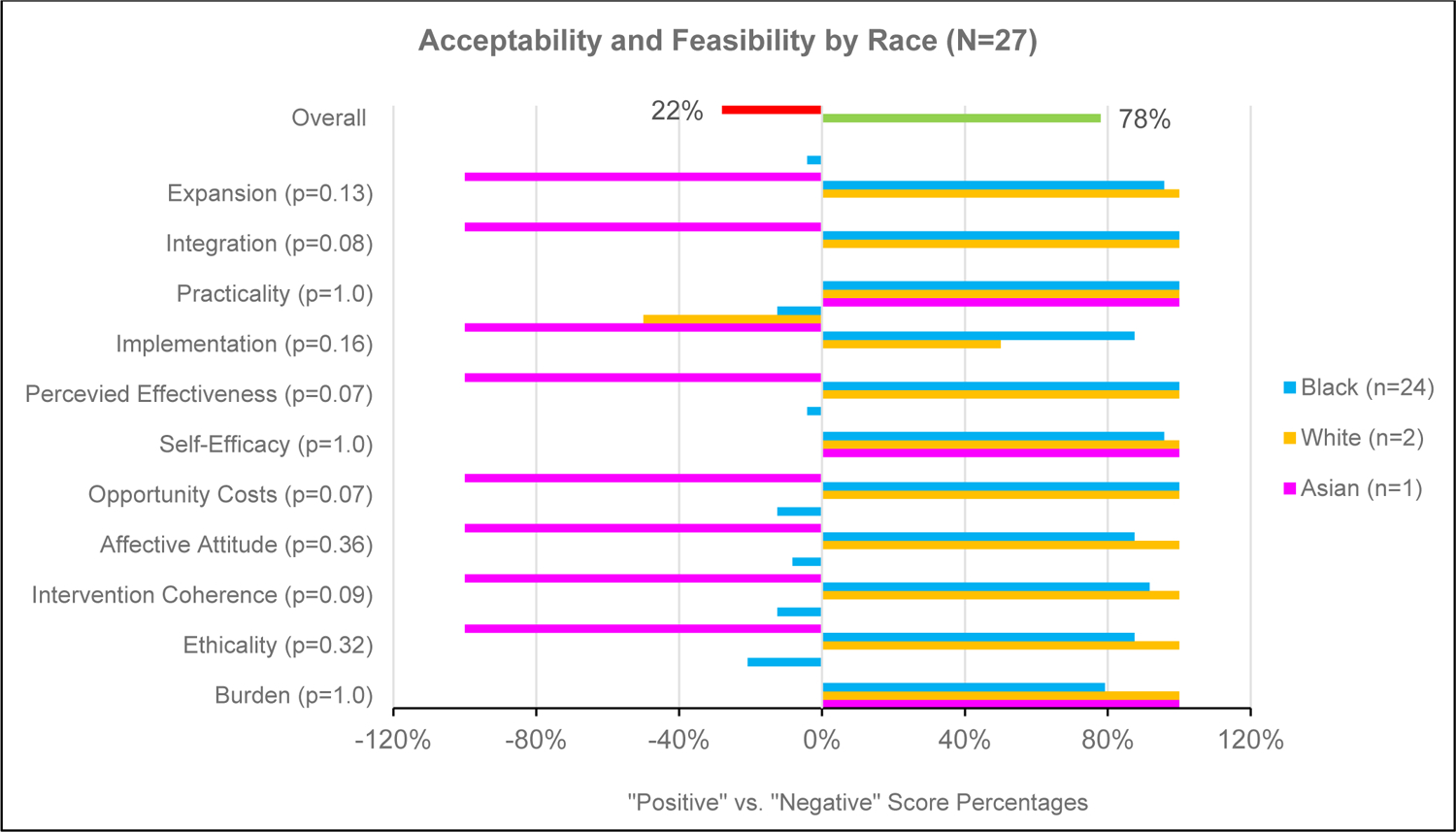
Description:Background ; Socioecological determinants of health (SEDOHs) influence disparities in surgical outcomes. However, SEDOHs are challenging to measure limiting our ability to address disparities. Using a validated survey (SEDOH-88), we assessed SEDOHs in three rural communities in Alabama. We hypothesized that SEDOHs would vary significantly across sites but measuring them would be acceptable/feasible. ; Materials and methods ; This was a retrospective review of a prospectively maintained database involving surgical patients who completed the SEDOH-88 and a secondary survey assessing it’s acceptability/feasibility, from August 2021 to July 2023. Included patients underwent endoscopic, minimally invasive, or open surgery at three rural hospitals: Demopolis (DM), Alexander City (AC), and Greenville (GV). ; Results ; The 107 participants comprised 48 (44.9%) from DM, 27 (25.2%) from AC, and 32 (29.9%) from GV, respectively. The median age was 64-years and 65.6% were female. When comparing DM to AC and GV by individual factors, DM had the largest Black population (78.7 vs. 22.2 vs. 48.3%, p<0.001), and more often required help reading hospital materials (20.5 vs. 3.7 vs. 10.3%, p=0.007). When comparing DM to AC and GV by structural and environmental factors, DM had more Medicaid enrollees (27.3 vs. 3.7 vs. 6.9%, p=0.033), and lacked fresh produce (18.2 vs. 25.9 vs. 39.3%, p=0.033) and internet access (63.6 vs. 100.0 vs. 86.2%, p<0.001). The SEDOH-88 had an overall 90.9% positive acceptability/feasibility score. ; Conclusion ; SEDOHs varied significantly across rural communities regarding individual (race/health literacy), structural (insurance), and environmental-level factors (nutritious food/internet access). The high acceptability/feasibility of the SEDOH-88 shows it’s potential utility in identifying targets for future disparity-reducing interventions.
-
Subjects:
-
Keywords:
-
Source:J Surg Res. 301:468-481
-
Pubmed ID:39033598
-
Pubmed Central ID:PMC11427147
-
Document Type:
-
Funding:
-
Volume:301
-
Download URL:
-
File Type:
 [PDF - 901.75 KB]
 -
Collection(s):
-
Main Document Checksum:urn:sha-512:c2f4e9a1ac87aa08d4bd965e8815f874829e4a395f667d6e28fe9b70876ae474c00b98c533421545bfca5570f4544681a95d21eed089c3ac865ee98a89abeda9
Supporting Files


File Language:
English
 Was this page helpful?
 Found an issue?

CDC STACKS serves as an archival repository of CDC-published products including
scientific findings, journal articles, guidelines, recommendations, or other public health information authored or
co-authored by CDC or funded partners.
As a repository, CDC STACKS retains documents in their original published format to ensure public access to scientific information.
As a repository, CDC STACKS retains documents in their original published format to ensure public access to scientific information.
You May Also Like
COLLECTION
CDC Public Access