



Birds and Influenza H5N1 Virus Movement to and within North America
Supporting Files
Public Domain

-
Oct 2006
Details
-
Alternative Title:Emerg Infect Dis
-
Personal Author:
-
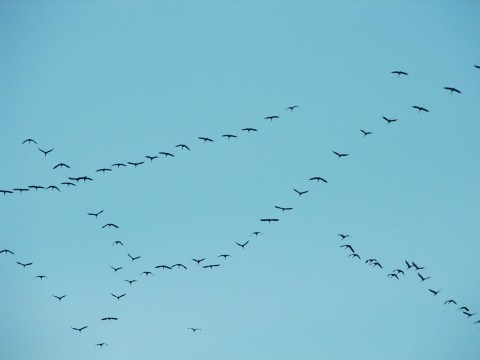
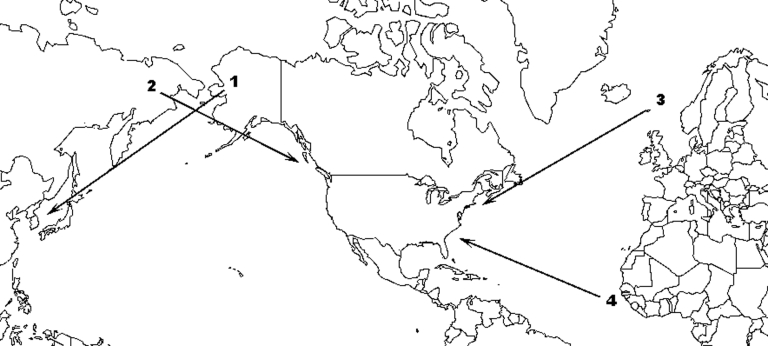
Description:Highly pathogenic avian influenza (HPAI) H5N1 expanded considerably during 2005 and early 2006 in both avian host species and geographic distribution. Domestic waterfowl and migratory birds are reservoirs, but lethality of this subtype appeared to initially limit migrant effectiveness as introductory hosts. This situation may have changed, as HPAI H5N1 has recently expanded across Eurasia and into Europe and Africa. Birds could introduce HPAI H5N1 to the Western Hemisphere through migration, vagrancy, and importation by people. Vagrants and migratory birds are not likely interhemispheric introductory hosts; import of infected domestic or pet birds is more probable. If reassortment or mutation were to produce a virus adapted for rapid transmission among humans, birds would be unlikely introductory hosts because of differences in viral transmission mechanisms among major host groups (i.e., gastrointestinal for birds, respiratory for humans). Another possible result of reassortment would be a less lethal form of avian influenza, more readily spread by birds.
-
Subjects:
-
Source:Emerg Infect Dis. 12(10):1486-1492.
-
Document Type:
-
Place as Subject:
-
Location:
-
Volume:12
-
Issue:10
-
Download URL:
-
File Type:
 [PDF - 171.01 KB]
 -
Collection(s):
-
Main Document Checksum:urn:sha256:913b76621e9fd3f621ddca6cbe320b76abc65c7bd31165e6318f9759a36be2a4
Supporting Files


 Was this page helpful?
 Found an issue?



CDC STACKS serves as an archival repository of CDC-published products including
scientific findings, journal articles, guidelines, recommendations, or other public health information authored or
co-authored by CDC or funded partners.
As a repository, CDC STACKS retains documents in their original published format to ensure public access to scientific information.
As a repository, CDC STACKS retains documents in their original published format to ensure public access to scientific information.
You May Also Like
COLLECTION
Emerging Infectious Diseases