



Activity patterns and burrowing ecology of the giant pouched rat (Cricetomys emini) in Tshuapa Province, D. R. Congo
Supporting Files

-
7 13 2022
-
File Language:
English
Details
-
Alternative Title:Mammalia
-
Personal Author:
-
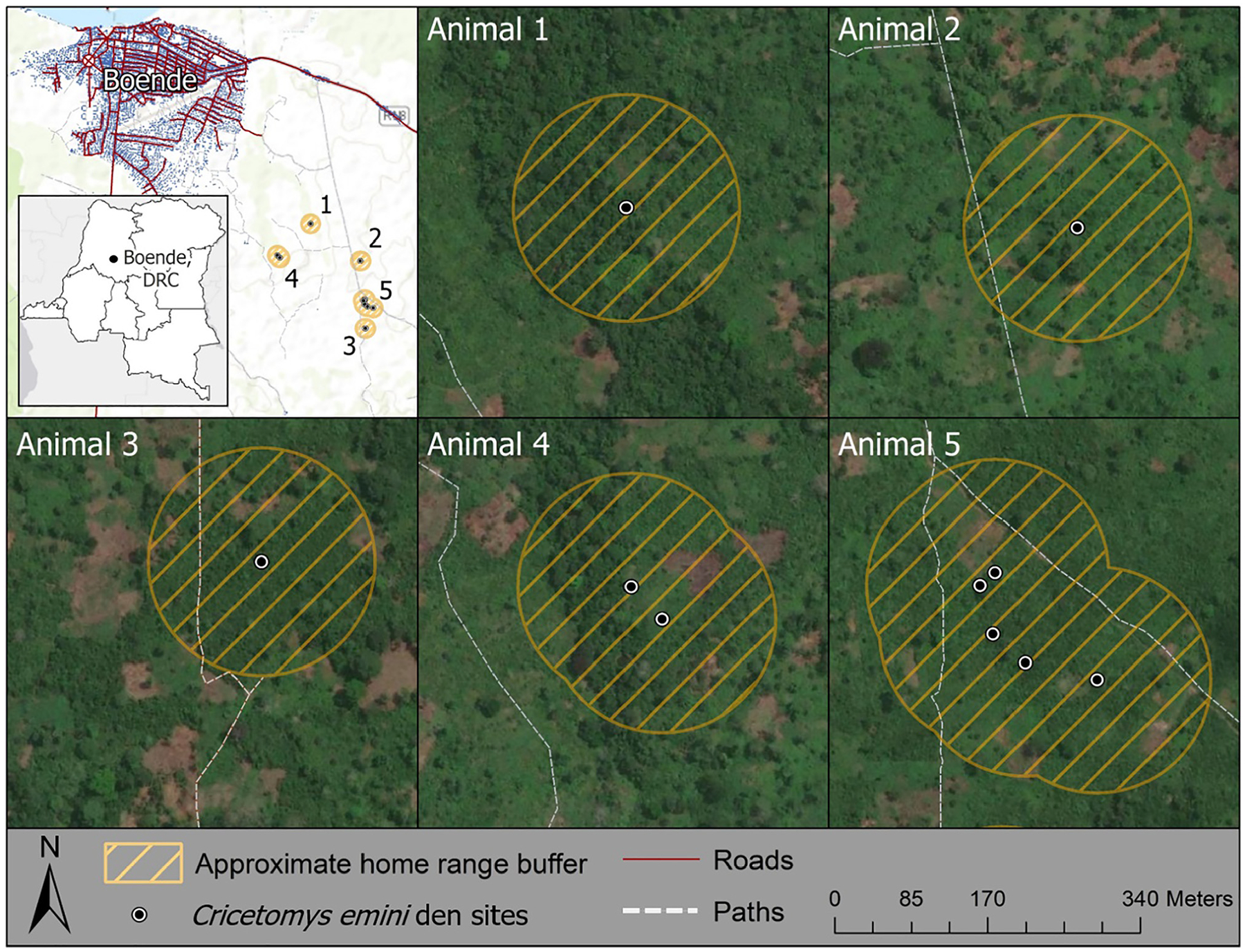
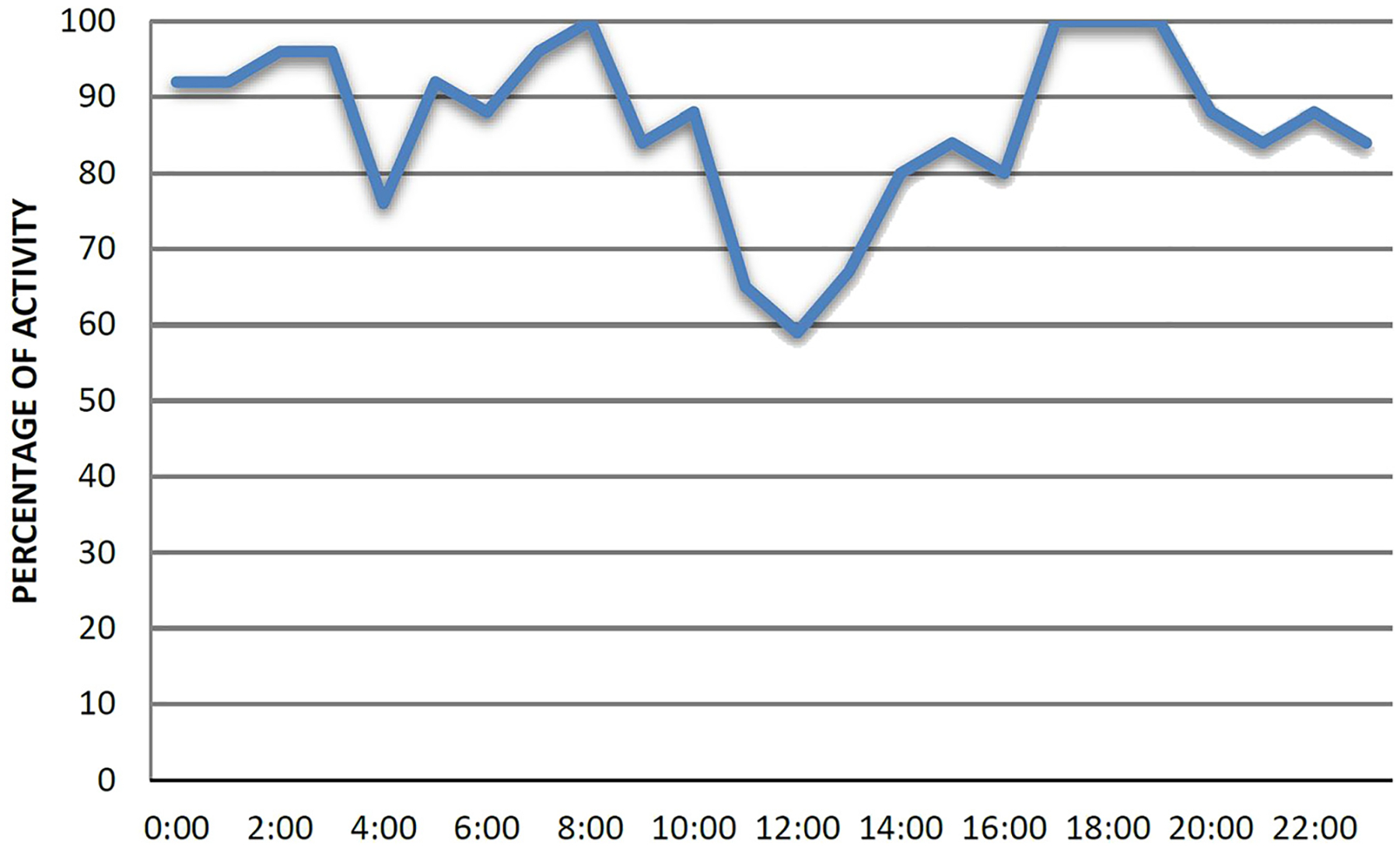
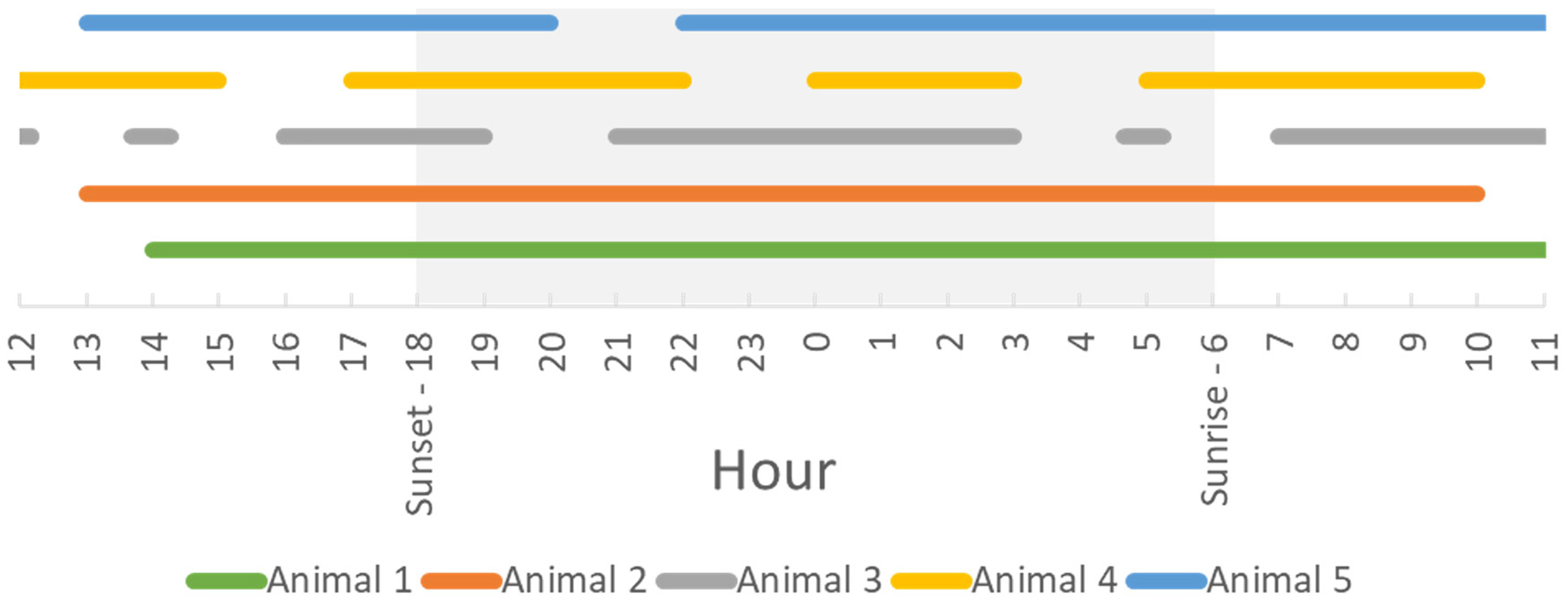
Description:Rodents of the genus | have been reported to be nocturnal with a bimodal activity pattern and to frequently change burrows. However, no studies to date have examined these ecological aspects with the use of radio-telemetry. Five | were captured and radio-collared to study their activity patterns and burrowing ecology from 9 March to 15 April 2016. Nocturnal activity ranged between the hours of 18:00 and 05:00 with a probable reduction of activities between 20:00-23:00 and around 04:00 with diurnal activity between 06:00 and 17:00 h with a reduction of activity between 11:00 and 14:00. While the present study does confirm nocturnal activity and a bimodal pattern, this study also suggests greater diurnal activity as compared to previous studies. Additionally, data presented here also suggest that |. | may not change burrows as frequently as previously reported.
-
Keywords:
-
Source:Mammalia. 86(6):562-569
-
Pubmed ID:39071242
-
Pubmed Central ID:PMC11274877
-
Document Type:
-
Funding:
-
Volume:86
-
Issue:6
-
Collection(s):
-
Main Document Checksum:urn:sha-512:394f73d99c90b9e444914a17595c0696bd43e7abf28433ccd4f11ae459f6e7fac7efa88446fb18e7c46c0de93d79bd53aac05b19e2816db043569008121cee3c
-
Download URL:
-
File Type:
 [PDF
- 819.00 KB
]
[PDF
- 819.00 KB
]
Supporting Files


File Language:
English
 Was this page helpful?
 Found an issue?
CDC STACKS serves as an archival repository of CDC-published products including
scientific findings,
journal articles, guidelines, recommendations, or other public health information authored or
co-authored by CDC or funded partners.
As a repository, CDC STACKS retains documents in their original published format to ensure public access to scientific information.
As a repository, CDC STACKS retains documents in their original published format to ensure public access to scientific information.
You May Also Like
COLLECTION
CDC Public Access