



Disability Inclusion in Corporate Supplier Diversity Initiatives
Supporting Files

-
2024 ; 6-2024
-
Available in CDC Stacks on June 26, 2024, 12:00 AM
File Language:
English
Details
-
Alternative Title:J Occup Rehabil
-
Personal Author:
-
Description:Purpose
Since the 1960s, federal and state governments and private-sector companies have used supplier diversity initiatives to ensure their supply chains include businesses owned by traditionally economically disadvantaged or underrepresented groups. Originally concentrated on racial and ethnic minority groups, programs have expanded to include businesses owned by women, veterans, LGBTQ+ individuals, and, in some cases, people with disabilities. This study investigates the extent to which disability is included in supplier diversity initiatives of Fortune 500 companies.
Methods
This paper uses a novel data set created by the authors with information on supplier diversity initiatives and Disability, Equity, and Inclusion (DEI) statements in Fortune 500 companies extracted from public sources. This information is combined with data from Compustat, a corporate financial database published by Standard and Poor’s and additional variables from other sources.
Results
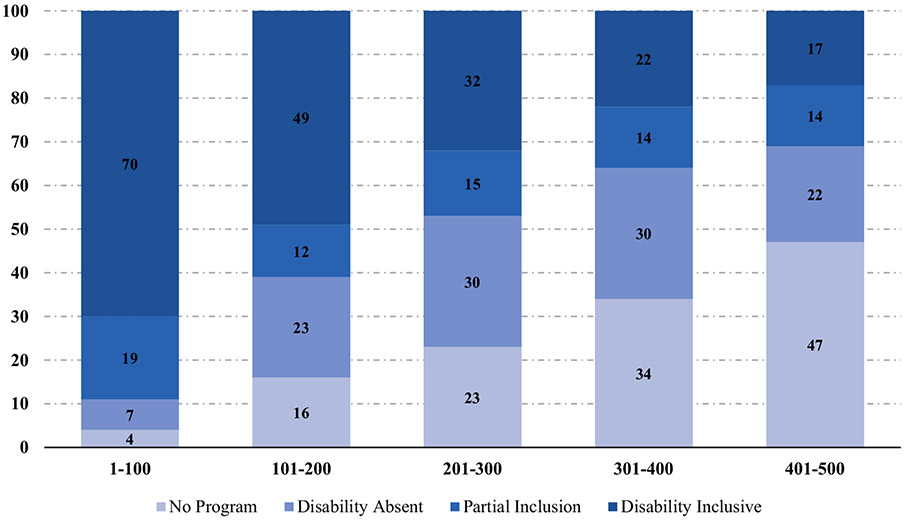
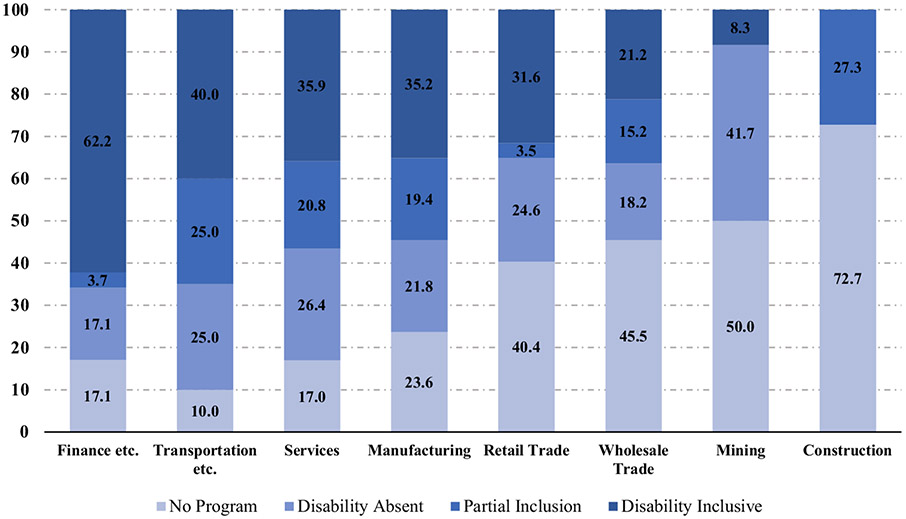
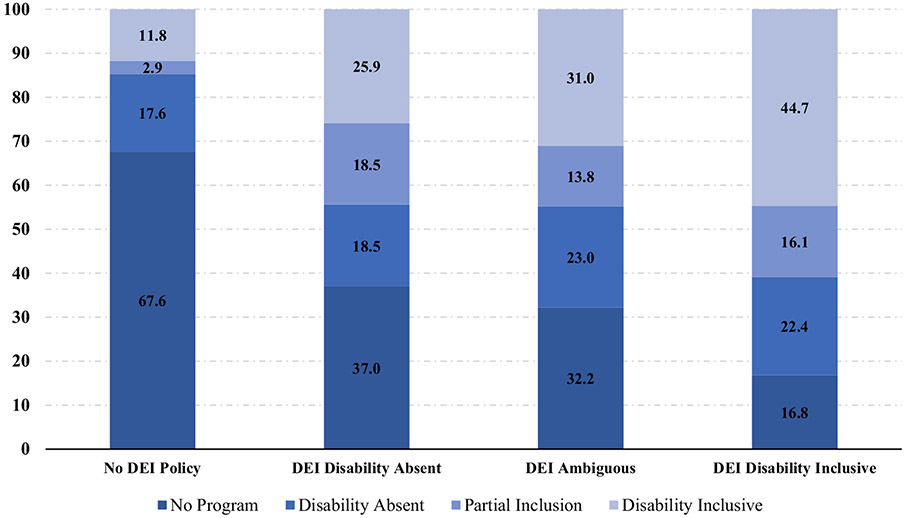
75% of the Fortune 500 companies have supplier diversity programs that express a commitment to diversity yet only 49% of those with such programs include disability-owned businesses (38% of all Fortune 500 companies). Among the largest 100 companies, 89% had supplier diversity programs that included disability, almost 6 times the rate Ball et al. reported in 2005. This study finds disability inclusion varies significantly by company size, industry, and whether the company is a government contractor.
Conclusion
Despite the growth in disability inclusion, the absence of disability as a diversity category in regulations mandating supplier diversity initiatives for government contractors impacts disability inclusion. If we want to align our supplier diversity programs with the Americans with Disabilities Act, the first step is to address the issue in the Small Business Administration and federal contracting requirements. -
Subjects:
-
Keywords:
-
Source:J Occup Rehabil. 34(2):373-386
-
Pubmed ID:38578602
-
Pubmed Central ID:PMC11180083
-
Document Type:
-
Funding:90RTEM0006/ACL/ACL HHSUnited States/ ; K01 DP000090/DP/NCCDPHP CDC HHSUnited States/ ; #90RTEM0006-01-00; # 90RTEM0008; and #90DP0090-01-00/National Institute of Disability Independent Living and Rehabilitation Research/ ; #90RTEM0006-01-00/National Institute of Disability Independent Living and Rehabilitation Research/
-
Volume:34
-
Issue:2
-
Download URL:
-
File Type:
 [PDF - 818.41 KB]
 -
Collection(s):
-
Main Document Checksum:urn:sha256:a992461c0f42a1d5c31e8e2630d107484d3f04a4f4ddfe06a5685951a3242253
Supporting Files


File Language:
English
 Was this page helpful?
 Found an issue?

CDC STACKS serves as an archival repository of CDC-published products including
scientific findings, journal articles, guidelines, recommendations, or other public health information authored or
co-authored by CDC or funded partners.
As a repository, CDC STACKS retains documents in their original published format to ensure public access to scientific information.
As a repository, CDC STACKS retains documents in their original published format to ensure public access to scientific information.
You May Also Like
COLLECTION
CDC Public Access