


Modeling Hand Trajectories during Sequential Reach Movements in a Pulley Threading Task
Supporting Files

-
9 2018
-
File Language:
English
Details
-
Alternative Title:Proc Hum Factors Ergon Soc Annu Meet
-
Personal Author:
-
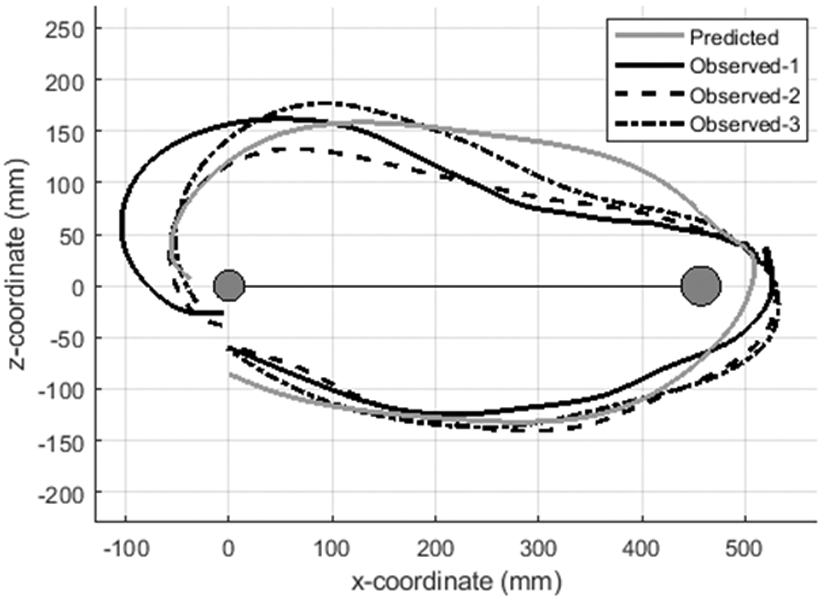
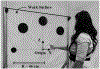
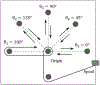
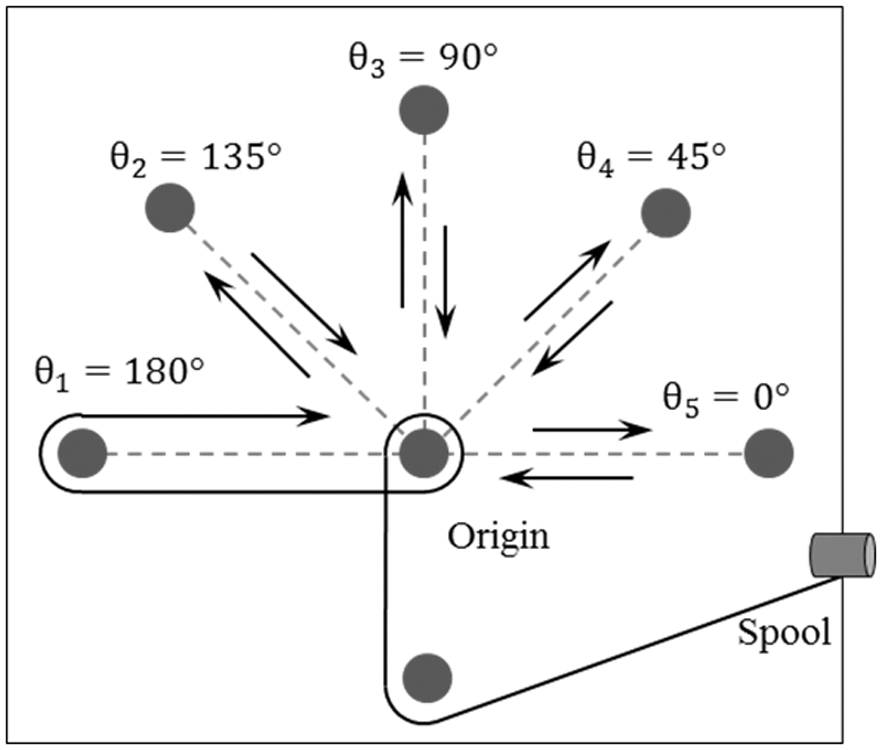
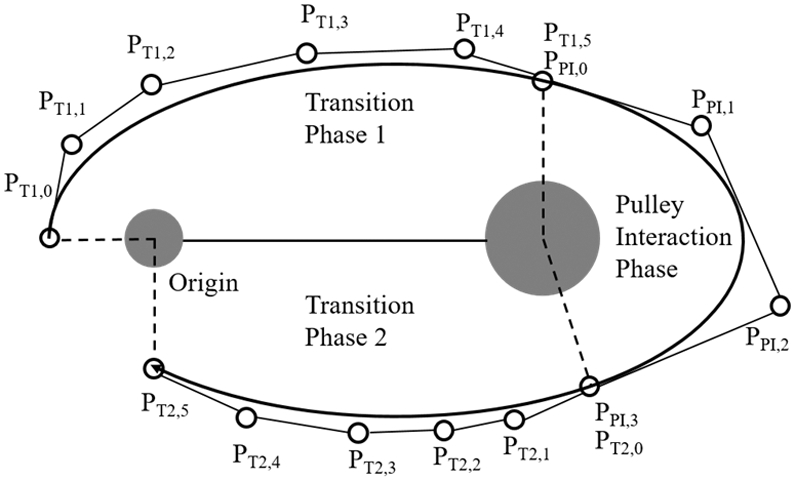
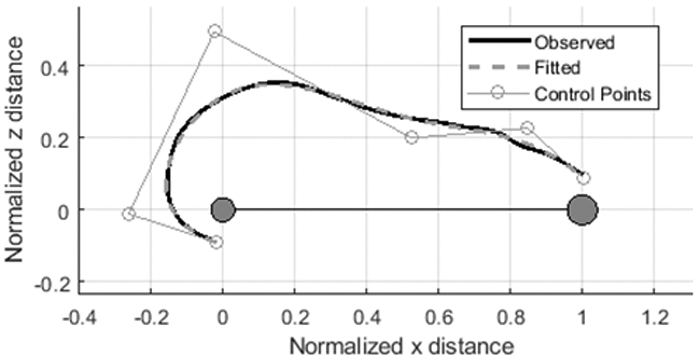
Description:Modeling of human motion is common in ergonomic analysis of industrial tasks and can help improve workplace design. We propose a method for modeling the trajectories of hand movements in the frontal plane during a sequential reach task that involves threading string through a system of pulleys. We model the motions as a combination of two consecutive phases, one where the hand is reaching between pulleys and another when the hand is engaged in threading a target pulley. Hand trajectories were modeled separately for each phase by fitting basis-splines to the observed data. Predicted trajectories were computed using task parameters as the input and compared to average trajectories from the 12 participants who completed the study.
-
Source:Proc Hum Factors Ergon Soc Annu Meet. 62(1):823-827
-
Pubmed ID:34035643
-
Pubmed Central ID:PMC8142148
-
Document Type:
-
Funding:
-
Volume:62
-
Issue:1
-
Collection(s):
-
Main Document Checksum:urn:sha-512:a98329d11f2e7ccefc32cee2208f2d1d607cdad43f89cdb4bd422d4f2cd34cd183bd9bbb64ef7c3d23c23eaa92445df20a93750f03b9c9f66093eb88d292fbce
-
Download URL:
-
File Type:
 [PDF
- 545.30 KB
]
[PDF
- 545.30 KB
]
Supporting Files


File Language:
English
ON THIS PAGE


CDC STACKS serves as an archival repository of CDC-published products including
scientific findings,
journal articles, guidelines, recommendations, or other public health information authored or
co-authored by CDC or funded partners.
As a repository, CDC STACKS retains documents in their original published format to ensure public access to scientific information.
As a repository, CDC STACKS retains documents in their original published format to ensure public access to scientific information.